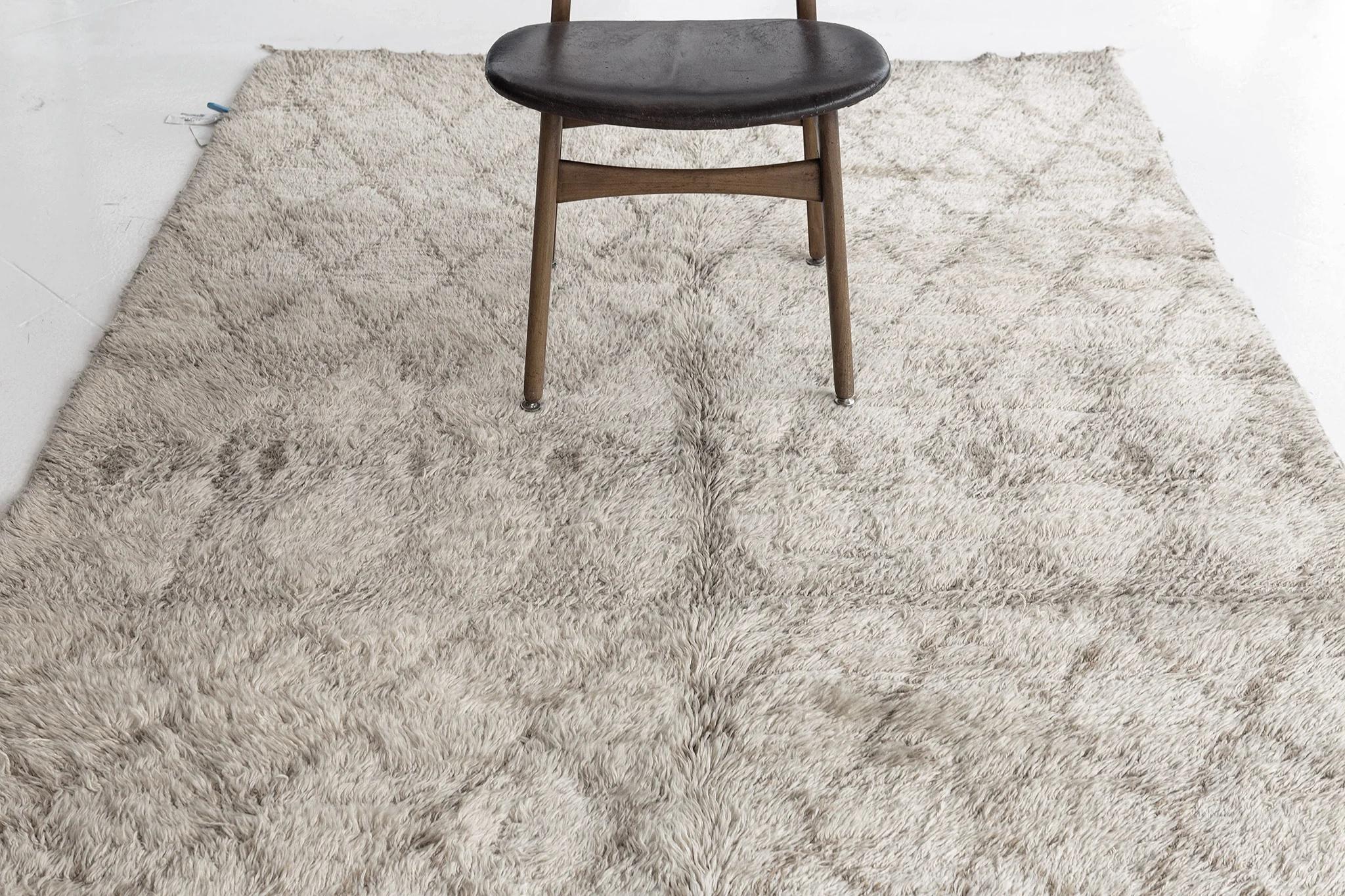
The stark, beautiful simplicity of black and white Moroccan rugs makes them a perfect centerpiece for minimalist design. In homes where less is more, these handcrafted treasures do more than cover floors—they add soulful texture, quiet narrative, and an anchoring warmth. Their artisanal imperfections and natural materials breathe life into serene spaces, proving that true luxury in minimalist design lies not in ornamentation, but in quality, heritage, and intentional contrast. When chosen well, a single rug can define the entire character of a room, creating a space that feels both profoundly calm and deeply personal.
The Essence of Minimalist Luxury
Minimalism at its best is not about emptiness, but about thoughtful curation. It strips away the unnecessary to highlight the beauty and function of what remains. In this philosophy, a luxury black and white Moroccan rug is not a decorative add-on; it is a foundational element. Its value comes from its authenticity—the hand-spun wool, the traditional knotting techniques passed through generations, and the cultural significance woven into each geometric motif. This tangible history provides a layer of depth and meaning that a mass-produced item cannot replicate. The luxury is in knowing your home contains a unique piece of art, one that tells a story of craftsmanship and connects your contemporary space to an ancient tradition.
Material Mastery: Natural Wool and Undyed Fibers
The foundation of a luxury Moroccan rug's appeal is its material. For the minimalist home, the intrinsic beauty of natural, undyed wool is paramount. Authentic rugs from tribes like the Beni Ourain are woven from the wool of local sheep, resulting in a palette of creamy ivories, soft grays, and rich, charcoal blacks. This organic color variation is subtle and sophisticated, creating a rug that is never flat or monotonous. Unlike synthetic fibers, this high-pile wool is incredibly soft, durable, and develops a beautiful patina over time. The tactile experience is a key part of the luxury—stepping onto a plush, hand-knotted wool rug adds a daily moment of quiet comfort that aligns perfectly with a mindful, minimalist lifestyle.
The Power of Pared-Back Patterns
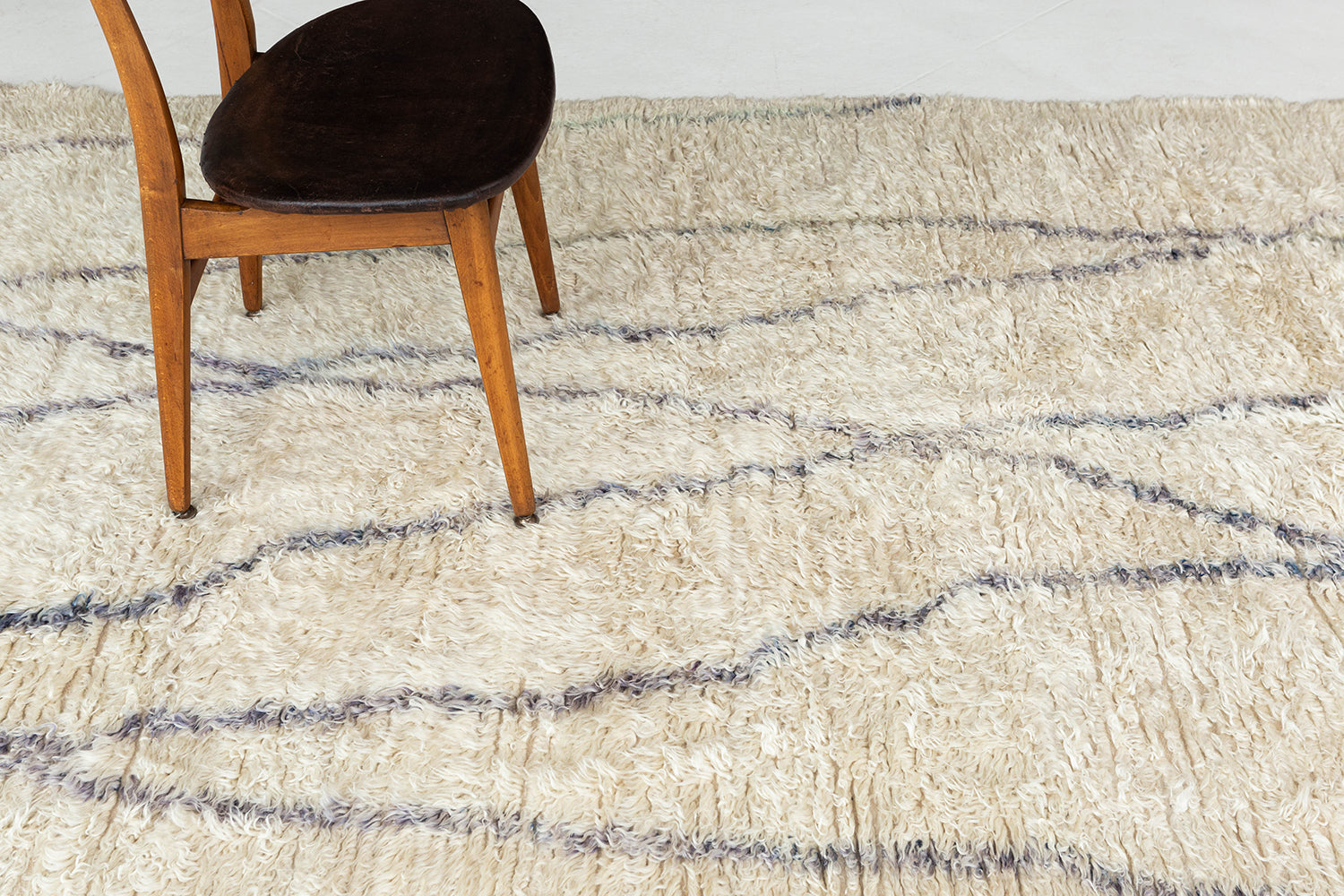
While Moroccan rugs can be vividly colorful, the most sought-after for minimalist interiors feature restrained, geometric patterns. The classic design involves linear or diamond motifs in black or dark brown set against an expansive ivory or white field. This use of "negative space" is crucial. The open background allows the pattern to breathe, preventing visual clutter and making the room feel larger and more airy. The geometric lines—whether bold and graphic or faint and irregular—introduce structure and rhythm without complexity. This creates a focal point that is compelling yet serene, a piece of art for the floor that guides the eye without overwhelming the senses.
Choosing the Perfect Scale and Placement
In minimalist design, proportion is everything. A rug that is too small can look like an afterthought, making furniture appear disconnected and the room feel incomplete. For a living room, a large rug that allows all key furniture legs to rest upon it creates a unified, anchored seating area. In a bedroom, a generous rug should extend well beyond the sides and foot of the bed, offering a luxurious landing. The rug should feel like a solid foundation, defining the zone and giving weight to the space. This intentional sizing reinforces the minimalist principle of purpose and ensures the rug is experienced as an integral part of the architecture, not a mere accessory.
Curating a Harmonious Monochromatic Palette
A black and white rug provides the perfect anchor for a monochromatic color scheme. It establishes the core contrast around which the entire room can be built. Walls in shades of white, gray, or beige recede, allowing the rug's texture to shine. Furniture in black-stained wood, matte metal, or neutral upholstery echoes the rug's tones. The key is to play with a range of textures within this limited palette: the nubby wool of the rug against smooth concrete floors, cool linen on a sofa beside a warm oak coffee table, or the sheen of a steel lamp against a rough-hewn ceramic vase. This creates visual interest and richness without introducing color, maintaining a calm, cohesive, and deeply sophisticated atmosphere.
The Final Layer: Mindful Accessorizing
With such a strong foundational piece, accessories should be selected with extreme care. The goal is to complement, not compete. A single, sculptural vase in black ceramic, a large abstract painting in graphite and white, or a sleek floor lamp in brushed brass can create beautiful points of dialogue with the rug. The organic, handmade quality of the rug also pairs beautifully with other natural materials, like a worn leather chair, a marble side table, or a simple wooden stool. Every object should feel essential. The luxury black and white Moroccan rug, with its inherent artistry and warmth, gives you permission to keep everything else simple, knowing that the heart of the room has both history and soul.
Ultimately, a luxury black and white Moroccan rug for a minimalist home is an exercise in contrast and balance. It balances the old with the new, the handmade with the architectural, and bold graphic statement with serene openness. It proves that minimalism need not be cold or austere, but can be warm, textured, and deeply connected to human craft. In choosing such a piece, you invest in an anchor of tranquility—a timeless, tactile centerpiece that grounds your home in both elegance and authenticity.