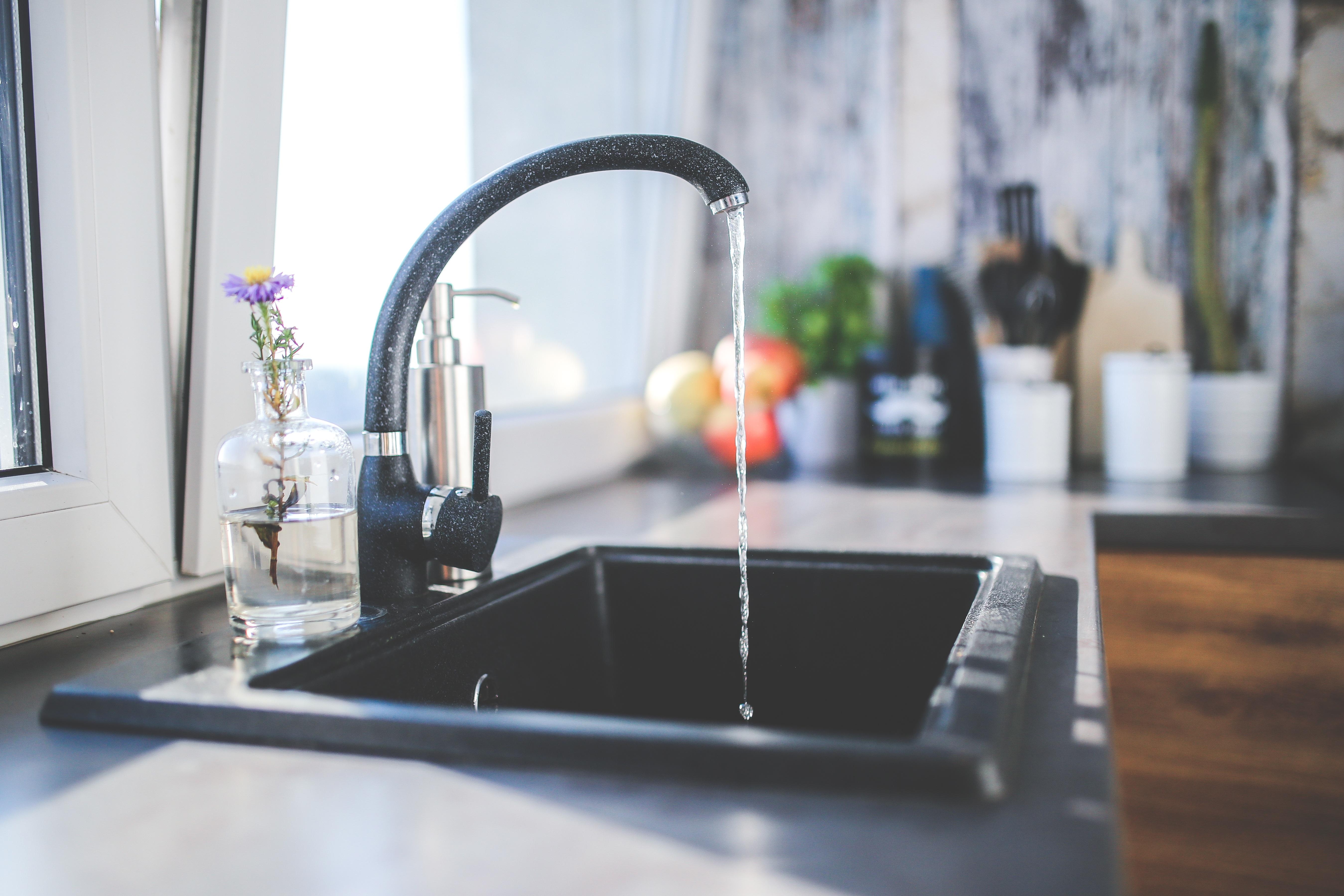
A leaking kitchen tap is one of those small problems that can quickly become irritating. The constant dripping, wasted water, and rising bills are hard to ignore—but calling a plumber for such a minor issue can feel unnecessary and expensive. The good news is that many kitchen tap leaks are simple to fix, even if you’re not particularly handy.
Most leaks are caused by worn parts, loose fittings, or buildup inside the tap. With a few basic tools and a bit of patience, you can often fix the problem yourself and have your tap working like new again.
1. Identify Where the Leak Is Coming From
Before you touch anything, it’s important to understand what is actually leaking. Kitchen taps can leak from different places, and each one points to a different fix.
Leak From the Spout
If water drips from the spout when the tap is turned off, the issue is usually internal.
Most common causes:
-
Worn washer
-
Damaged ceramic cartridge
-
Mineral buildup preventing a proper seal
Leak From the Handle Area
Water leaking around the base of the handle often appears when the tap is turned on.
Likely causes include:
-
Loose handle
-
Worn O-ring
-
Faulty cartridge seal
Leak From Under the Sink
If water is pooling inside the cabinet, the problem may not be the tap body itself.
Common reasons:
-
Loose supply hose connections
-
Worn compression fittings
-
Leaking isolation valves
2. Turn Off the Water Supply First
Don’t Skip This Step
Before disassembling anything, turn off the water supply to the tap.
How to do it:
-
Look for isolation valves under the sink and turn them clockwise
-
If there are no valves, turn off the main water supply
Once the water is off, open the tap to release any remaining pressure.
3. Fixing a Dripping Tap (Most Common Problem)
Remove the Tap Handle
Most kitchen taps have a small cap or cover hiding the handle screw.
Steps:
-
Pry off the cap carefully
-
Unscrew the handle
-
Lift the handle off gently
Keep all parts in order as you remove them.
Inspect the Cartridge or Washer
Modern kitchen taps usually use ceramic cartridges rather than traditional washers.
What to check:
-
Cracks or visible wear
-
Buildup of limescale or debris
-
Loose fittings
If the cartridge looks damaged, replacing it is usually the best option.
Replace the Cartridge or Washer
Take the old part with you when buying a replacement to ensure the correct size and type.
Helpful tip:
Cartridges are specific to tap models, so matching them accurately is essential.
Once replaced, reassemble the tap carefully and tighten everything firmly—but not excessively.
4. Fixing Leaks Around the Handle
Check and Replace O-Rings
O-rings create a watertight seal around moving parts.
How to fix it:
-
Remove the handle
-
Locate the O-ring
-
Replace it with a matching size
-
Apply a small amount of silicone grease
This is a quick fix that often solves handle-area leaks immediately.
Tighten Internal Components
Sometimes the leak is caused by nothing more than a loose component.
What to do:
-
Check retaining nuts
-
Tighten gently using an adjustable wrench
Avoid overtightening, as this can crack internal parts.
5. Fixing Leaks Under the Sink
Tighten Supply Hose Connections
Flexible hoses can loosen over time.
Steps:
-
Use a wrench to gently tighten the connections
-
Check for visible wear or cracks
If the hose looks damaged, it’s best to replace it rather than tighten it further.
Replace Worn Seals or Washers
Compression fittings rely on rubber seals to stay watertight.
Fix:
Replace the worn seal rather than trying to force the fitting tighter.
6. Dealing With Limescale and Buildup
Why Buildup Causes Leaks
Mineral deposits can prevent cartridges and washers from sealing properly.
Common signs:
-
Stiff tap handles
-
Reduced water flow
-
Dripping despite new parts
How to Clean It Safely
Disassemble the tap and soak affected parts in warm water with a mild descaling solution.
Important:
Avoid harsh chemicals that can damage rubber or plastic components.
Clean thoroughly, rinse, and reassemble.
7. Test the Tap After Repair
Turn the Water Back On Slowly
Once everything is reassembled:
-
Turn the water supply back on gradually
-
Check for leaks around the tap and under the sink
Let the Tap Run
Run both hot and cold water for a minute to ensure:
-
Smooth operation
-
No dripping
-
No hidden leaks
If everything stays dry, the repair was successful.
8. When DIY Isn’t Enough
Signs You May Need a Plumber
While many leaks are easy fixes, some problems require professional help.
Call a plumber if:
-
The tap body is cracked
-
Leaks persist after replacing parts
-
Pipes or valves are corroded
-
You’re unable to shut off the water safely
Knowing when to stop can save you from causing bigger issues.
Final Thoughts
Fixing a leaking kitchen tap doesn’t have to be complicated or expensive. In many cases, the problem comes down to a worn cartridge, washer, or O-ring—small parts that are easy to replace with basic tools.
By identifying the source of the leak and taking your time with the repair, you can often restore your tap to perfect working order without calling a plumber. It’s a simple job that saves money, reduces water waste, and gives you the quiet satisfaction of fixing something yourself.