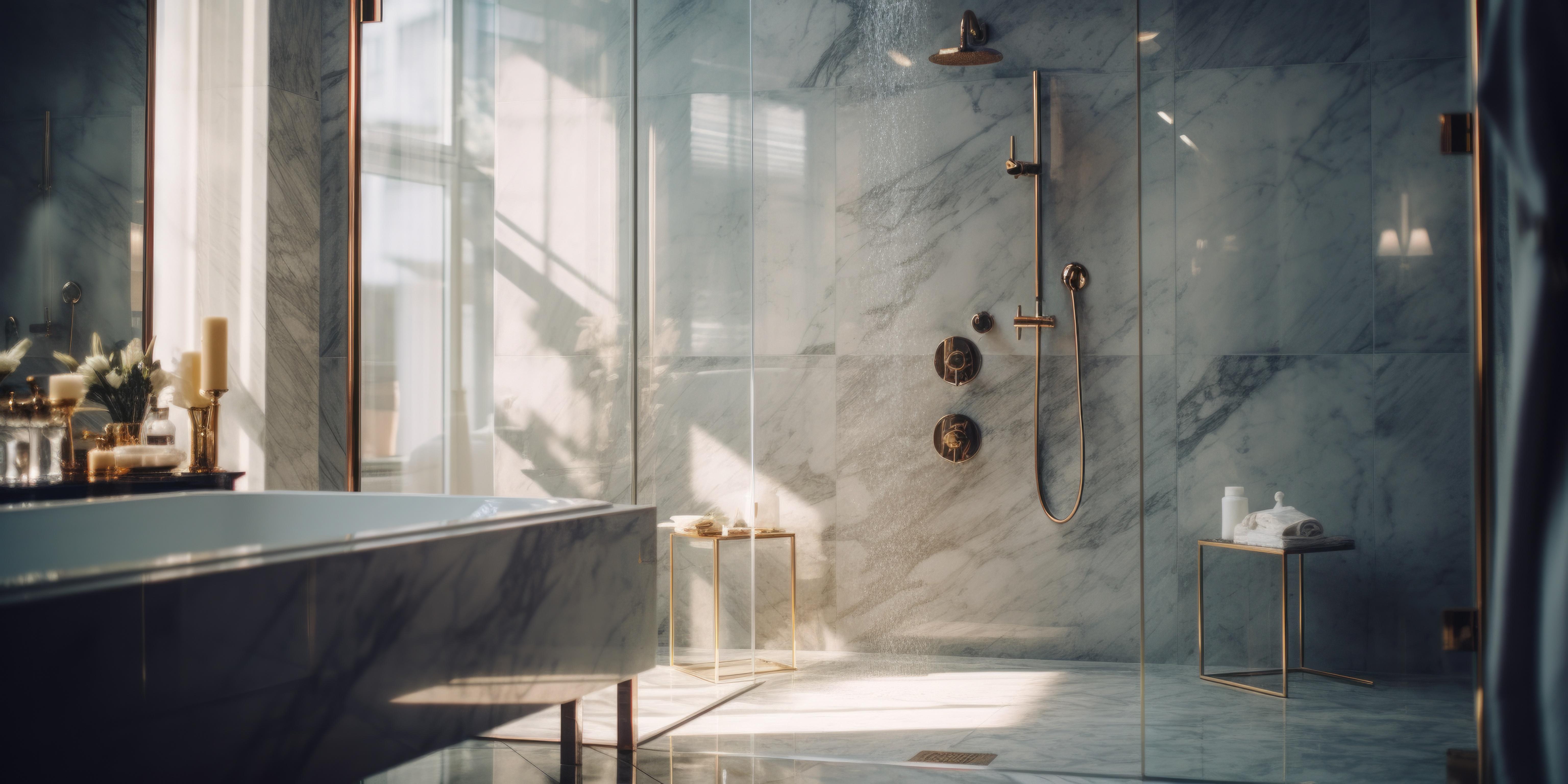
Bathroom renovations often start with excitement and inspiration, but many end with small daily frustrations that could have been avoided. In most cases, the problem isn’t the tiles or the layout — it’s the bathroom fittings. Choosing the wrong taps, showers, toilets, or accessories can quietly undermine an otherwise well-designed bathroom.
The good news is that most fitting-related issues are common and predictable. By understanding these mistakes and knowing how to avoid them, you can create a bathroom that not only looks good on day one but continues to work smoothly for years.
Mistake 1: Choosing Fittings Before Understanding Water Pressure
One of the most common mistakes homeowners make is selecting bathroom fittings without knowing their home’s water pressure. Showroom displays often feature large rain shower heads, wall-mounted taps, and concealed systems that simply don’t perform well in low-pressure homes.
When water pressure is too low, showers feel weak, taps take longer to fill basins or baths, and temperature control becomes inconsistent. This often leads to disappointment and expensive replacements later.
How to avoid it:
Before buying any fittings, confirm whether your home has high, medium, or low water pressure. Choose taps and showers designed to perform well at your pressure level, especially if you live in an older property or a flat.
Mistake 2: Prioritising Looks Over Practical Use
It’s easy to fall in love with stylish fittings, but bathrooms are practical spaces that are used every single day. Tall basin taps paired with shallow basins may look striking but often cause splashing. Ultra-slim controls can be difficult to grip with wet hands.
Bathrooms that look great in photos don’t always function well in real life.
How to avoid it:
Always think about how fittings will be used day to day. Test tap reach, handle movement, and shower controls where possible. A fitting should feel comfortable and intuitive, not just visually appealing.
Mistake 3: Buying Low-Quality Taps to Save Money
Bathroom taps are among the most frequently used fittings, yet they’re often an area where people try to cut costs. Cheap taps may look fine initially, but internally they often use low-grade components that wear out quickly.
Dripping taps, stiff handles, and leaking cartridges are common results of poor-quality construction.
How to avoid it:
Look for taps with ceramic disc cartridges and solid internal components. A slightly higher upfront cost usually pays for itself through longer lifespan and fewer maintenance issues.
Mistake 4: Ignoring Thermostatic Shower Control
Many bathrooms still suffer from fluctuating shower temperatures, especially when other taps are used elsewhere in the house. This is often due to manual mixer showers or outdated pressure-balancing systems.
Sudden changes from hot to cold aren’t just uncomfortable — they can be unsafe.
How to avoid it:
Choose thermostatic shower fittings wherever possible. They maintain a consistent temperature and automatically adjust to pressure changes, making them ideal for families and multi-bathroom homes.
Mistake 5: Installing Oversized Shower Heads in Low-Pressure Homes
Large rain shower heads have become a popular design feature, but they rely on good water pressure to perform properly. In low-pressure homes, they often deliver a weak, unsatisfying spray.
This mistake is especially common when fittings are chosen without consulting a plumber.
How to avoid it:
Match the shower head size to your water pressure. Compact or low-pressure compatible shower heads often provide a much better experience. If a large head is important to you, consider whether a pump or power shower is suitable for your system.
Mistake 6: Poor Planning for Concealed Fittings
Concealed fittings create a clean, modern look, but they also hide critical components behind walls and tiles. Poor-quality concealed valves or frames can lead to major disruption if repairs are needed later.
This mistake usually happens when internal components are chosen purely on price.
How to avoid it:
Invest in high-quality concealed fittings with proven reliability. Make sure access points are planned correctly, and confirm that spare parts will be available in the future.
Mistake 7: Choosing the Wrong Toilet for the Space
Toilets vary significantly in size, projection, and installation type. A toilet that’s too large can make a small bathroom feel cramped, while a poorly supported wall-hung toilet can cause long-term structural issues.
Comfort is often overlooked in favour of appearance.
How to avoid it:
Measure carefully and consider how the toilet will be used. Wall-hung toilets work well in small spaces, but only when installed with a strong frame. Rimless designs are easier to clean and suit modern bathrooms well.
Mistake 8: Underestimating Heating and Towel Radiators
A beautifully renovated bathroom can still feel uncomfortable if it’s cold. One of the most common mistakes is installing a towel radiator that’s too small to heat the room properly.
In many cases, homeowners assume towel radiators are only for drying towels, not heating the space.
How to avoid it:
Choose a towel radiator with sufficient heat output for the room size. Electric or dual-fuel options add flexibility, especially outside the central heating season.
Mistake 9: Mixing Too Many Finishes
Mixing finishes can work when done carefully, but using too many different colours and materials often results in a cluttered, uncoordinated look. Chrome taps, black shower fittings, brass accessories, and silver flush plates can quickly feel chaotic.
How to avoid it:
Limit your bathroom to one main finish and one accent finish. Consistency across taps, showers, accessories, and flush controls creates a far more polished result.
Mistake 10: Overlooking Bathroom Accessories Until the End
Accessories are often treated as an afterthought, but poorly chosen ones can ruin an otherwise modern bathroom. Cheap accessories may rust, loosen, or look out of place within months.
Too many accessories can also clutter the space.
How to avoid it:
Plan accessories early and choose wall-mounted, rust-resistant options that match your main fittings. Less is often more when it comes to creating a clean, modern bathroom.
Mistake 11: Skimping on Hidden Plumbing Fittings
Hidden fittings like valves, traps, and mounting frames rarely get attention, yet failures here are the most expensive to fix. Leaks behind walls can cause serious damage.
This is one of the costliest mistakes homeowners make.
How to avoid it:
Always use high-quality plumbing components, even if they’re not visible. Reliable isolation valves and pressure-balancing components make future maintenance far easier and safer.
Mistake 12: Forgetting About Maintenance and Cleaning
Some fittings look great but are difficult to clean or maintain. Deep grooves, sharp angles, and poor coatings can trap dirt and limescale.
Over time, this affects both appearance and hygiene.
How to avoid it:
Choose fittings with smooth surfaces and durable finishes. Shower heads with rub-clean nozzles and rimless toilets reduce cleaning effort significantly.
Final Thoughts
Most bathroom fitting mistakes aren’t dramatic — they’re small decisions that create daily annoyances over time. Dripping taps, weak showers, cold rooms, and awkward layouts slowly erode the enjoyment of a new bathroom.
By avoiding these common mistakes and choosing fittings based on performance, compatibility, and quality rather than appearance alone, you can create a bathroom that truly works.
A successful bathroom renovation isn’t just about how it looks on completion day. It’s about how it feels to use every morning, every evening, and for years to come.