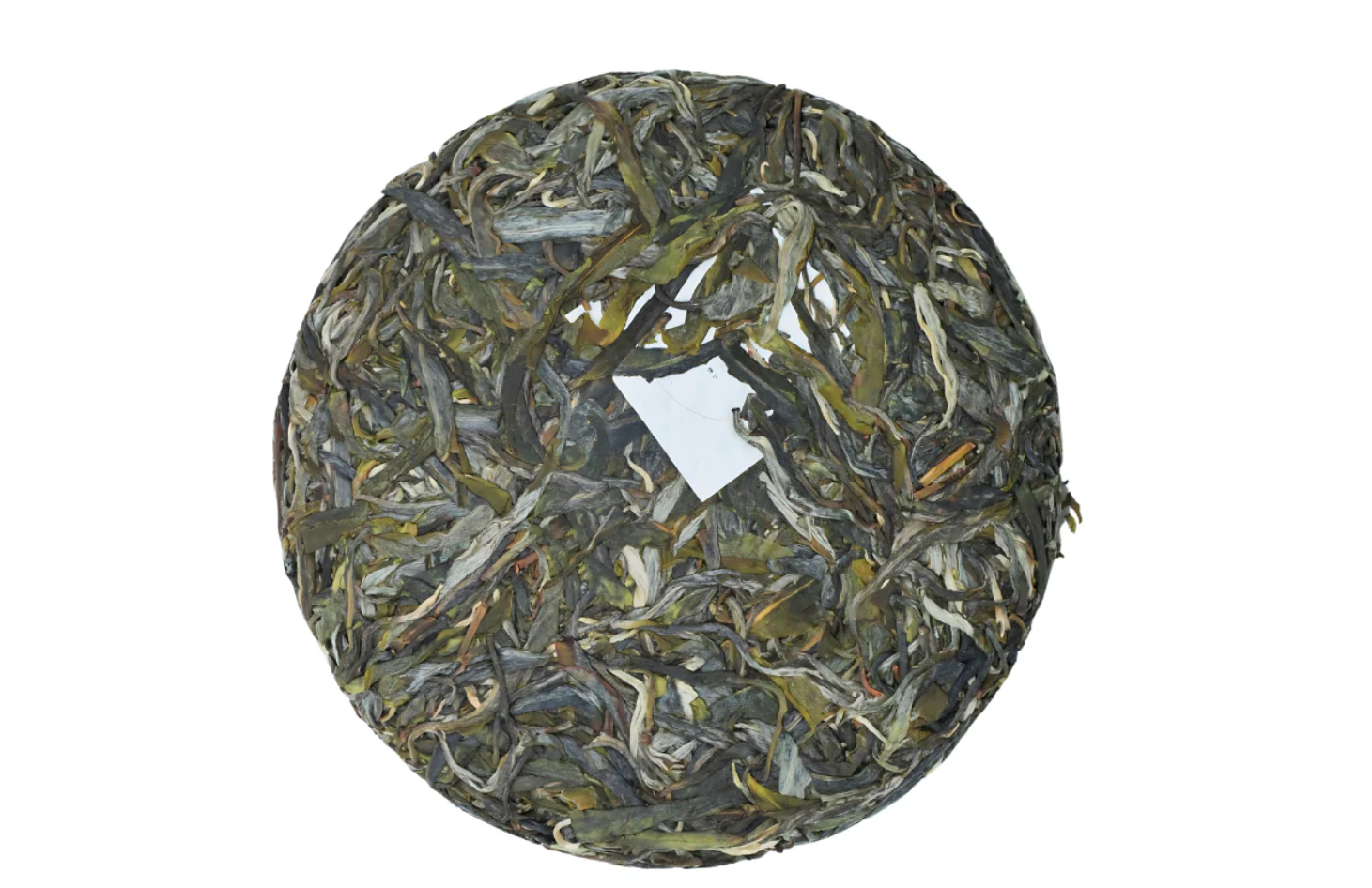
If you have ever stepped into the world of specialty tea, you have likely heard whispers about a legendary variety that behaves more like a fine wine than a typical herbal infusion. It is a tea that is alive, changing every day it sits on your shelf. This is the world of sheng pu erh tea, a traditional Chinese tea that has captured the hearts of collectors and casual drinkers alike for centuries.
At tea n leaf, we often find that beginners are a bit intimidated by this category. There is a lot of jargon and a deep history to navigate. However, once you peel back the layers, you find a beverage that offers an incredible range of flavors—from the crispness of a mountain meadow to the deep, honeyed sweetness of a forest floor. Let’s dive into what makes this specific style of tea so special.
What Exactly Is Raw Pu Erh?
At its most basic level, raw pu erh is tea in its most natural, unadulterated state. Unlike its cousin, "ripe" pu erh, which undergoes an accelerated fermentation process to make it dark and earthy, the raw version is processed simply. The leaves are picked, withered, pan-fried to stop oxidation, and then sun-dried.
This minimal processing leaves the enzymes in the leaves active. Because those enzymes are still "awake," the tea continues to ferment naturally over time. If you drink it young, it is vibrant and punchy. If you tuck it away for ten or twenty years, it transforms into something mellow and profound. This ability to age is what makes sheng pu erh tea a prized possession for many enthusiasts.
The Sensory Experience of Young vs Aged Leaves
One of the most exciting things about exploring this tea is the sheer variety of flavors. When you first encounter a young raw pu erh, expect a bit of a wake-up call for your taste buds. It is often bright, floral, and carries a characteristic "bitterness" that tea lovers call Huigan. This isn't a bad bitterness; it’s a refreshing astringency that quickly turns into a lingering sweetness at the back of the throat.
As the years pass, the tea undergoes a chemical metamorphosis. The bright green leaves turn a deep amber, and the flavor profile shifts. The "bite" disappears, replaced by notes of dried fruits, camphor, incense, and old wood. This is why many people treat a sheng pu erh tea purchase as an investment—not just financially, but for the future enjoyment of their own palate.
Why Terroir Matters in Yunnan
You cannot talk about raw pu erh without talking about Yunnan, China. This is the only place in the world where true Pu Erh can be produced. The region is a patchwork of different mountains, each with its own unique soil and microclimate.
Just like a Pinot Noir from Burgundy tastes different from one in California, a tea from the Yiwu mountains will be soft and elegant, while a tea from the Bulang region will be powerful and intensely savory. At tea n leaf, we always encourage our community to try samples from different regions. It is the best way to discover whether you prefer the "sweet and floral" side of the spectrum or the "strong and bold" side.
The Ritual of Brewing for Depth
To truly appreciate the complexity of raw pu erh, you have to move away from the "tea bag in a mug" mindset. This tea shines when brewed using the Gongfu style. By using a small teapot or a gaiwan and a high leaf-to-water ratio, you can take the tea through multiple infusions.
The first few steeps of a sheng pu erh tea might be light and floral. By the fifth or sixth steep, you might notice deeper, spicy notes emerging. By the tenth steep, you might find a delicate, sugary finish. It is a slow, meditative process that allows you to see the full "arc" of the tea's personality. It’s not just a drink; it’s an afternoon of discovery.
Health Benefits and the "Cha Qi" Phenomenon
Beyond the flavor, many people are drawn to raw pu erh for how it makes them feel. In traditional Chinese culture, it is often used to aid digestion after a heavy meal. Because it is high in antioxidants and polyphenols, it is also a popular choice for those looking to support their overall wellness.
Then there is the concept of Cha Qi, or "tea energy." Many drinkers describe a physical sensation—a feeling of warmth, alertness, or even a calm euphoria after drinking high-quality sheng pu erh tea. It’s a grounded feeling that you simply don’t get from a standard cup of coffee. It’s one of the reasons why this tea has remained a staple of monastic and meditative practices for centuries.
Starting Your Own Tea Collection
If you are looking to start your own journey, our best advice is to start with a mix of ages. Buy a small amount of young raw pu erh to experience that fresh, mountain energy, and then try a sample of something aged five to ten years to see the magic of fermentation in action.
At tea n leaf, we curate our selection to ensure that every leaf tells a story of its origin. Whether you are looking for a daily drinker or a special cake to age for the next decade, the world of raw pu erh is waiting to be explored. It is a hobby that rewards patience and curiosity in equal measure.