The world of tea is vast, but few categories command as much respect, intrigue, and passion as those from the Yunnan province of China. If you are just starting your journey into specialty teas, you might have heard whisperings of a tea that tastes like the earth, smells like a forest after rain, and actually gets better with age. This is the fascinating world of raw pu erh, a beverage that is as much a living organism as it is a drink.
At teanleaf, we believe that tea is more than just a quick caffeine fix; it is a ritual and an exploration of flavor. Unlike standard green or black teas that have a relatively short shelf life, pu erh is meant to be tucked away, allowing time to weave its magic into the leaves. Whether you are sipping a vibrant young harvest or a complex aged raw pu erh tea, you are experiencing a tradition that spans centuries.
What Exactly Is This Unique Tea?
To understand the appeal, we first have to look at how it is made. Raw pu erh, also known as Sheng Pu Erh, is made from the large-leaf variety of the Camellia sinensis tree. The processing is surprisingly simple but requires immense skill. The leaves are picked, withered, heated in a large wok to stop oxidation, and then sun-dried.
What makes this tea special is that it isn't "finished" when it leaves the farm. Because the enzymes are not fully deactivated, the tea continues to undergo a slow, natural fermentation process. This is why a cake of tea purchased today will taste entirely different in five, ten, or twenty years.
The Transformation from Young to Old
When you drink a young raw pu erh, you are tasting the raw energy of the mountains. It is often pale yellow or light green in color, with a flavor profile that leans toward floral, grassy, and sometimes quite bitter or astringent. This bitterness is actually a good sign—it indicates the presence of the polyphenols needed for long-term aging.
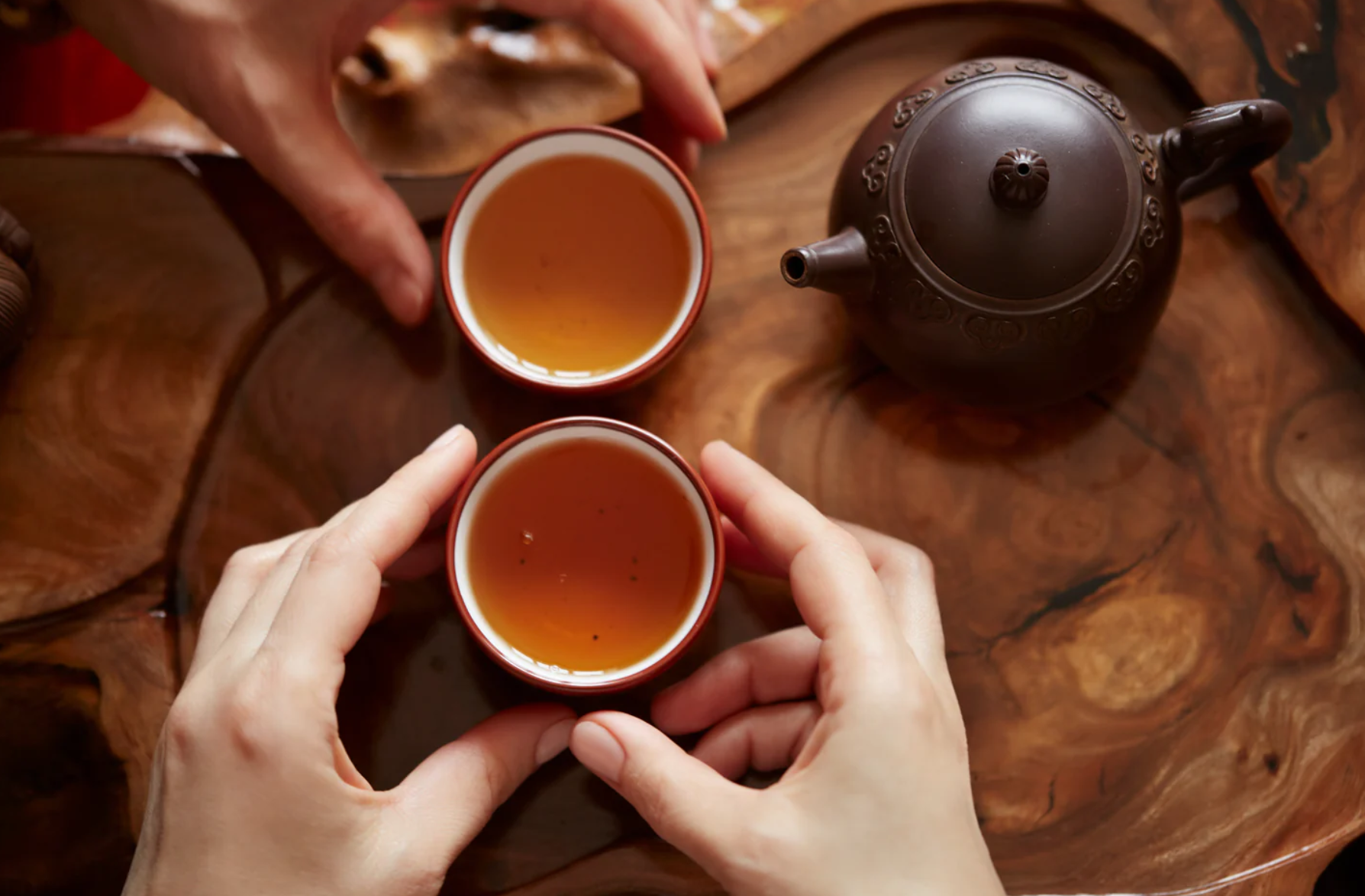
As the years pass, the tea undergoes a beautiful metamorphosis. An aged raw pu erh tea will lose its aggressive bitterness. The color of the liquor shifts from a bright yellow to a deep, glowing amber or even a dark reddish-brown. The flavors evolve into something far more profound: think of notes of dark honey, camphor, sandalwood, and sun-dried dates.
- 0-5 Years: Vibrant, punchy, floral, and highly energetic. Great for those who love a refreshing, strong tea.
- 5-15 Years: The "awkward teenage phase" where the tea begins to mellow, developing a thicker mouthfeel and a balance between fruitiness and earthiness.
- 15+ Years: The peak of aged raw pu erh tea. The flavor is smooth, deep, and meditative, often providing a physical sensation of warmth known as "Cha Qi."
Brewing Tips for the Best Experience
To truly appreciate the layers of flavor in your tea from teanleaf, you want to move away from the standard "tea bag in a mug" approach. This tea shines when brewed in the Gongfu style, using small vessels and multiple short infusions.
- Use a Gaiwan: This lidded porcelain bowl is the best tool for raw pu erh because it allows you to smell the leaves between steeps.
- The Importance of the Rinse: Always pour hot water over the dry leaves and discard it after a few seconds. This "awakens" the compressed leaves and washes away any surface dust.
- Water Temperature: For younger leaves, use water around 90-95 degrees Celsius. For older, aged raw pu erh tea, use a full boil to extract those deep, hidden notes.
- Short Steeping Times: Start with very fast pours—perhaps 5 to 10 seconds. You can steep the same leaves 10 to 15 times, adding a few seconds to each subsequent brew.
Frequently Asked Questions
Is raw pu erh the same as black tea?
No. In China, what Westerners call black tea is known as "red tea." Pu erh belongs to the "dark tea" or "Heicha" category. Its unique fermentation process sets it apart from all other tea types.
How should I store my tea at home?
The key is to let the tea breathe while protecting it from odors. Keep your tea cakes in a cool, dry place away from sunlight. Avoid airtight plastic bags; instead, use the original paper wrapping or a ceramic tea caddy.
Does this tea have a lot of caffeine?
Yes, especially young raw pu erh. Because it is made from old-growth trees and the leaves are minimally processed, it can be quite stimulating. If you are sensitive to caffeine, it is best enjoyed in the morning or early afternoon.
Why is some tea sold in "cakes"?
Historically, tea was compressed into cakes or bricks to make it easier to transport by horse caravans along the Ancient Tea Horse Road. Today, we keep this tradition because compression helps the tea age more consistently and protects the inner leaves from over-exposure to air.
Why Enthusiasts Collect These Teas
There is a reason why many people treat their tea collection like a wine cellar. Buying a young raw pu erh is an affordable way to secure high-quality leaves that will eventually become a rare, aged treasure. It is a slow hobby in a fast world.
At teanleaf, we often see customers buy two cakes of the same tea—one to enjoy now while it is fresh and floral, and one to put away in the back of a cupboard to see how it tastes in a decade. It’s like a time capsule you can drink.
The Cultural Significance of the Brew
Drinking this tea is a communal experience. In Yunnan and throughout many parts of Asia, a tea session is a time to slow down and connect. Because the leaves can be infused so many times, a single session can last an hour or more. It encourages patience and mindfulness. You notice how the aroma changes as the leaves unfurl, and how the "body" of the tea feels in your throat.
It is also an incredible way to experience the geography of China. Different mountains—like Yiwu, Bulang, or Jingmai—produce raw pu erh with vastly different personalities. Some are known for their "hidden fragrance," while others are famous for their "brawny" and powerful taste.
Starting Your Journey with teanleaf
If you are feeling overwhelmed by all the options, don't worry. The best way to learn is by tasting. Start with a sample of a young harvest to see if you enjoy that bright, grassy energy. Then, try a small portion of a well-stored aged raw pu erh tea to experience the contrast.
You will soon find that your palate begins to recognize the nuances. You’ll start to look for that lingering sweetness (known as "Huigan") that stays in the back of the throat long after the tea is gone. That is when you know you’ve truly fallen in love with the leaf.