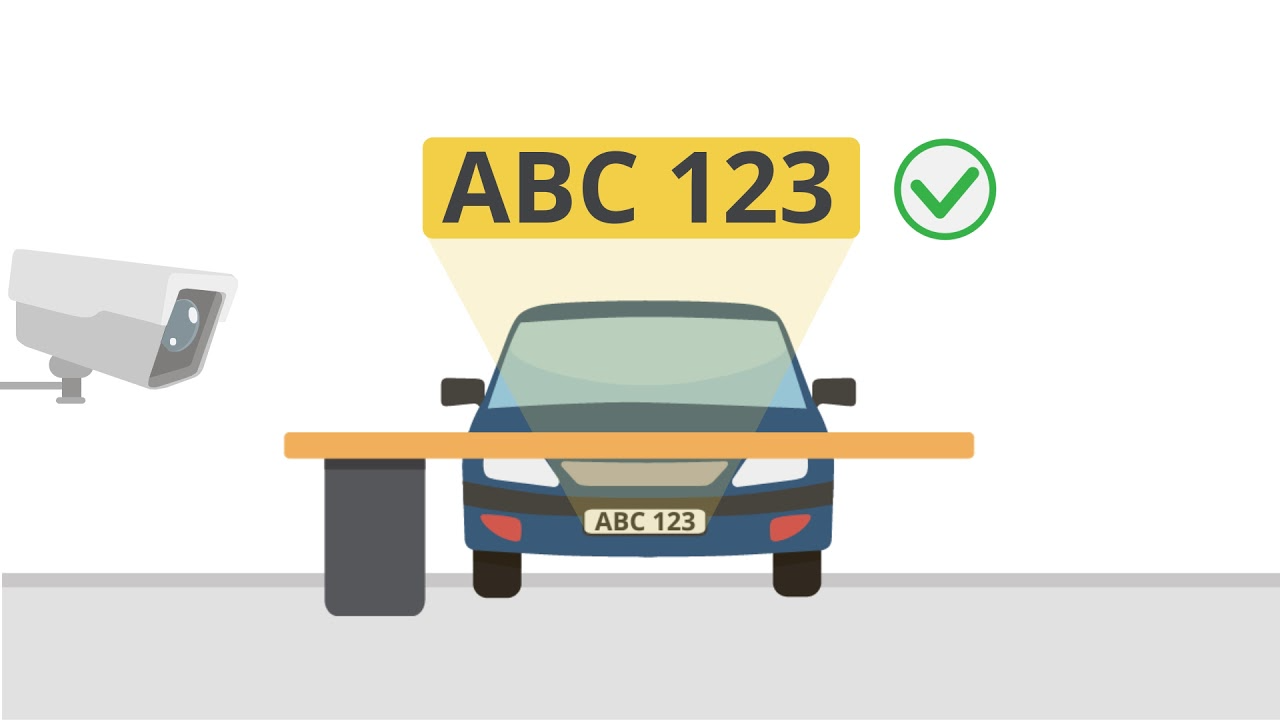
Mastering parking in Cambridge requires more than just knowing where the car parks are; it demands a comprehensive strategy that adapts to the city's unique challenges and your specific needs. The ultimate approach combines local knowledge, timing, technology, and a clear understanding of the trade-offs between convenience and cost. Whether you are a first-time visitor or a seasoned commuter, having a toolkit of strategies at your disposal transforms parking from a source of anxiety into a smoothly managed part of your journey. This guide presents the ultimate strategies for navigating Cambridge's parking landscape with confidence and ease.
Strategy One: Know Before You Go
The foundation of any successful parking strategy is research conducted before you leave home. Cambridge's parking landscape is too complex to navigate on the fly, with pedestrian priority zones, restricted access hours, and varying pricing structures that can catch out unprepared drivers. Before setting out, identify your destination on a map and determine which car parks or park and ride sites serve it best. Check their hours of operation, pricing structures, and any height restrictions that might affect your vehicle. Look at real-time availability if possible, and have a backup option in mind. This advance preparation takes just a few minutes but pays dividends in reduced stress and lower costs. The driver who knows where they are going before they start the engine has already won half the battle.
Strategy Two: Master the Park and Ride System
For the majority of Cambridge visits, the park and ride system represents the ultimate strategic choice. Five sites ring the city on its main approaches, each offering ample parking with frequent bus services into the centre. The Trumpington site serves those arriving via the M11 from the south, with buses reaching the city centre in around fifteen minutes. Madingley Road caters to western approaches and offers a bus route that stops on Bridge Street, steps from the river and punting departure points. Newmarket Road serves eastern arrivals, while Babraham Road and Milton cover the southeast and north respectively. The strategic driver selects the site that aligns with their approach route, treats the bus journey as part of the experience rather than an inconvenience, and enjoys the freedom from city centre driving stress that the system provides.
Strategy Three: Time Your Arrival Strategically
Timing is everything in QwikPark Cambridge, and the strategic driver plans their arrival to avoid peak congestion and secure the best rates. City centre car parks like Park Street and Queen Anne Terrace fill early on weekday mornings as commuters claim spaces, so arriving before 8.30am is essential if you need a central spot during working hours. For weekend visits, the peak period runs from late morning through mid-afternoon when shoppers and tourists converge. The strategic alternative is to arrive after 2pm, when early birds are starting to leave and spaces become available. For evening outings, waiting until after 6pm captures dramatically reduced rates at city centre car parks, with Park Street charging just £1.50 per hour from that time. By aligning your arrival with these rhythms, you maximise availability and minimise cost.
Strategy Four: Match Your Parking to Your Purpose
Different visits demand different parking strategies, and the ultimate driver matches their choice to their purpose. For a full day of sightseeing with the family, the park and ride offers unbeatable value and eliminates the stress of city centre navigation. For a quick meeting or appointment, on-street parking near the river on streets like Queens Road or Chesterton Road provides affordable short-stay access with time limits of two to four hours. For an evening at the theatre or a romantic dinner, city centre car parks after 6pm deliver convenience at budget-friendly rates. For catching a train, exploring private operators near Cambridge Station or considering Cambridge North Station often yields better value than the official station car park. By matching your parking choice to your specific purpose, you ensure you never pay for more than you need.
Strategy Five: Embrace Digital Tools
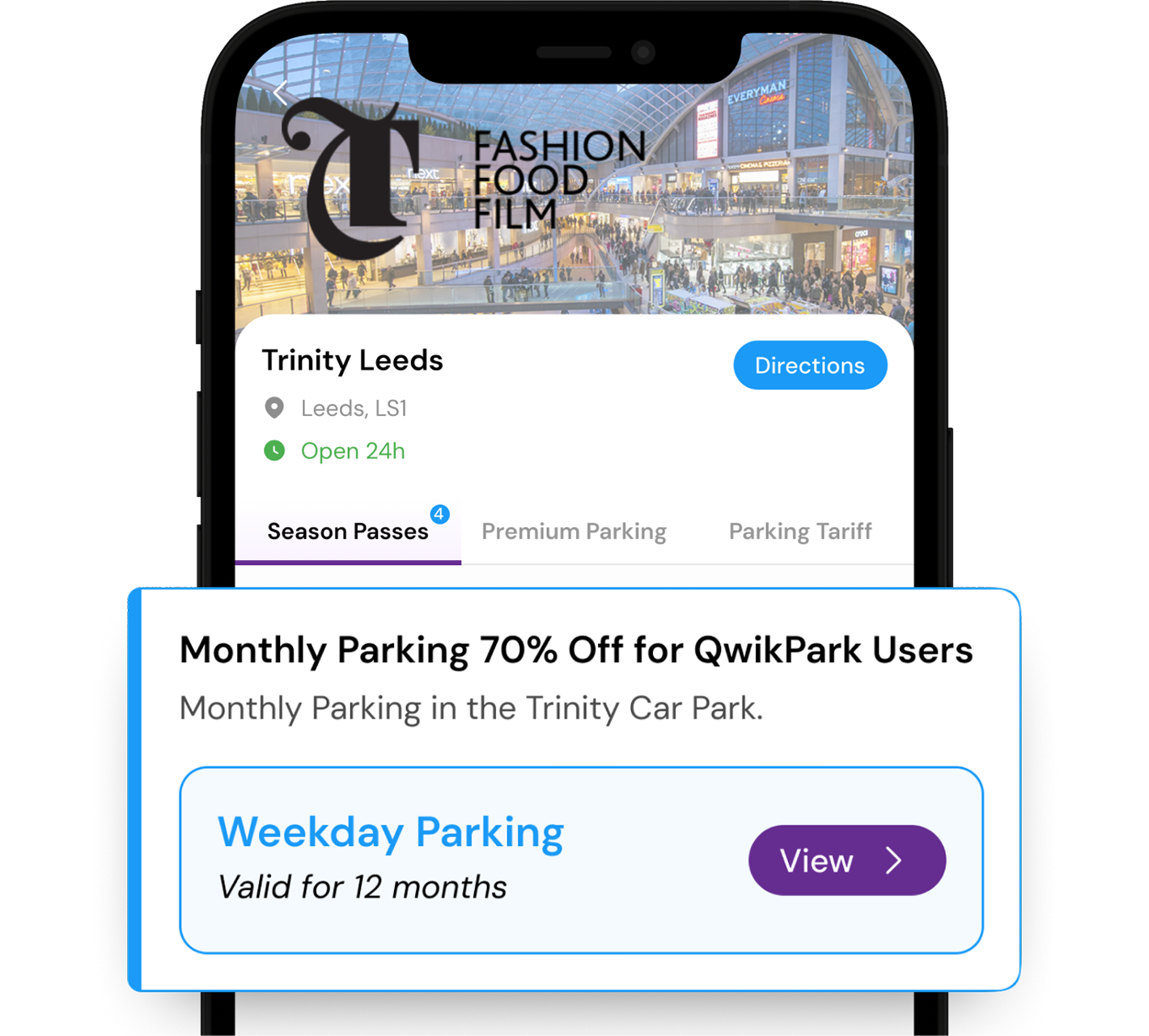
Modern technology provides strategic advantages that previous generations of drivers could only dream of. Payment apps like PayByPhone and Passport Parking, accepted across Cambridge's city-owned lots and meters, allow you to pay from your phone, extend sessions remotely, and receive electronic receipts. This eliminates the need to carry coins, queue at payment machines, or rush back to your car before the meter expires. For park and ride users, having the app installed means you can pay for your parking before you even board the bus. Mapping apps with real-time traffic and car park availability information allow you to adjust your route based on current conditions. By embracing these digital tools, you gain real-time information and control that makes your parking strategy more responsive and effective.
Strategy Six: Understand the Access Restrictions
Cambridge's access restrictions are not suggestions; they are enforceable rules that can result in fines and frustration for drivers who ignore them. The pedestrian priority zone operates 24 hours a day, with additional restrictions between 10am and 4pm Monday to Saturday when general vehicle access is prohibited entirely. The security barrier on King's Parade closes from 9.30am until 7pm daily, and streets including Bridge Street, Emmanuel Road, and Silver Street are permanently closed to traffic. The strategic driver internalises these restrictions, planning routes that avoid restricted areas entirely rather than hoping to slip through. They also recognise that these restrictions exist for good reason, protecting the historic character of the city and prioritising the safety of the thousands of pedestrians and cyclists who use these streets daily.
Strategy Seven: Always Have a Backup Plan
Even the best-laid parking strategies can encounter unexpected obstacles. A car park might be full despite your early arrival, roadworks might close your planned route, or special events might create unexpected demand. The ultimate driver always has a backup plan. Before setting out, identify two or three parking options in the vicinity of your destination, ranked by preference. Know which park and ride site serves as your alternative if city centre car parks are full. Have payment apps installed on your phone so you can pivot quickly without searching for change or queuing at machines. This redundancy ensures that when Plan A fails, you have a smooth transition to Plan B rather than a panicked scramble. In Cambridge parking, as in life, the person with a backup plan is the person who stays calm when things go wrong.