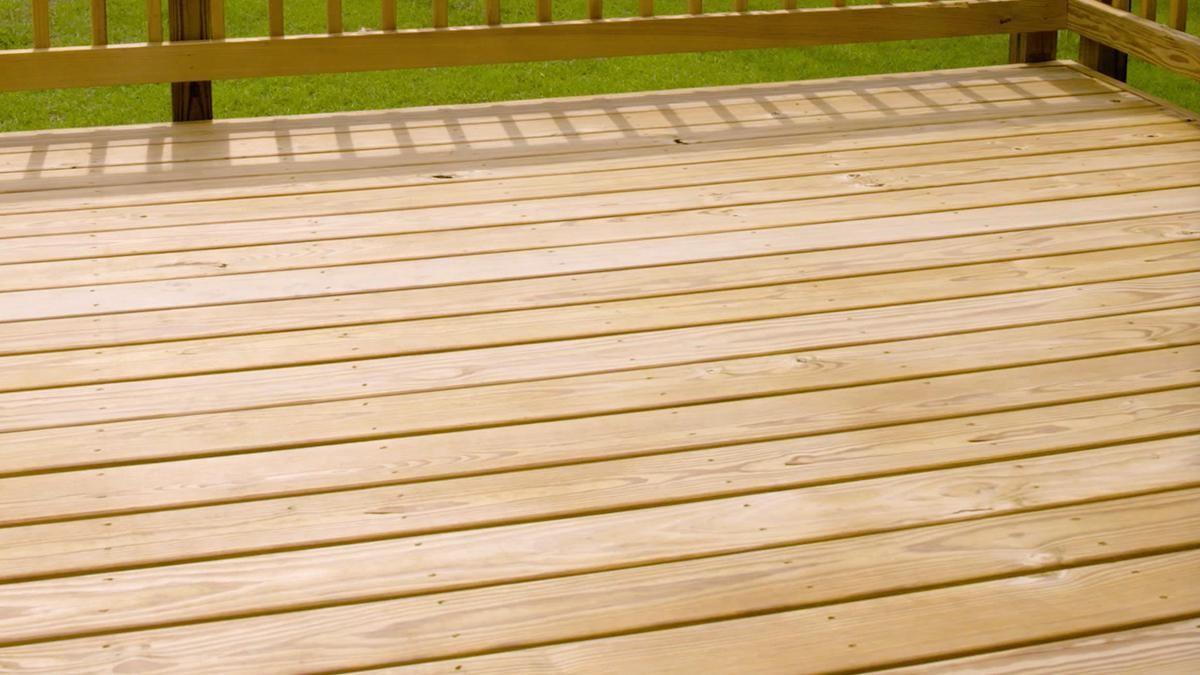
When it comes to small-scale construction projects, garden structures, or detailed finishing work, 1x2 pressure treated wood is one of the most practical and versatile materials available. Though it may seem like a simple lumber size, this narrow yet strong wood plays a surprisingly important role in both indoor and outdoor applications. Understanding what it is, how it’s made, and where it performs best can help you choose the right material for your next project.
What Is 1x2 Pressure Treated Wood?
The term 1x2 wood refers to lumber that is nominally 1 inch thick and 2 inches wide. In actual dimensions, after milling and finishing, it typically measures around ¾ inch by 1½ inches. This small size makes it ideal for trim, framing support, and lightweight structural or decorative applications.
When the wood is “pressure treated,” it means it has been chemically treated under high pressure to resist rot, insects, and moisture damage. This process forces preservatives deep into the wood fibers, making it far more durable than untreated lumber—especially in outdoor environments.
How Pressure Treatment Works
Pressure treatment is a controlled industrial process. Here’s a simplified breakdown:
- Loading the Wood: The lumber is placed into a sealed cylinder.
- Vacuum Phase: Air is removed from the wood to open up its pores.
- Chemical Injection: Preservative chemicals are forced into the wood under high pressure.
- Fixation and Drying: The wood is cured so the chemicals bond with the fibers and become stable.
This process significantly extends the lifespan of the wood, allowing it to withstand harsh environmental conditions such as rain, humidity, and soil contact.
Key Benefits of 1x2 Pressure Treated Wood
1. Resistance to Rot and Decay
One of the biggest advantages is its ability to resist fungal decay and rot. This makes it ideal for outdoor use where moisture exposure is unavoidable.
2. Protection Against Insects
Termites and wood-boring insects can destroy untreated wood quickly. Pressure treatment creates a chemical barrier that discourages infestation.
3. Lightweight and Easy to Handle
Because of its small size, 1x2 lumber is easy to cut, carry, and install. It is perfect for detailed work where precision matters.
4. Cost-Effective Material
Compared to larger structural lumber, 1x2 boards are relatively inexpensive. This makes them a budget-friendly choice for both professionals and DIY users.
5. Long-Term Durability
When properly maintained, pressure treated wood can last for many years, even in outdoor environments exposed to rain and sun.
Common Uses of 1x2 Pressure Treated Wood
Despite its modest size, this type of lumber is used in a wide variety of projects.
1. Garden and Outdoor Projects
It is frequently used for:
- Garden edging
- Raised planter frames
- Trellises and plant supports
- Fence lattice backing
Its resistance to moisture makes it especially useful in landscaping.
2. Light Framing and Support
1x2 boards are often used as secondary framing members or spacers in construction projects. They provide structural support without adding unnecessary weight.
3. Fencing and Trim Work
This wood is ideal for decorative fence elements, lattice panels, and finishing trim where appearance and durability both matter.
4. DIY Home Projects
Homeowners and hobbyists often use it for:
- Shelving supports
- Picture frames
- Small furniture reinforcements
- Craft projects
5. Indoor Applications (with caution)
Although pressure treated wood is mainly designed for outdoor use, it can be used indoors in utility spaces like basements or workshops where moisture resistance is needed.
Important Considerations Before Use
While 1x2 pressure treated wood is highly useful, there are a few things to keep in mind:
Moisture Content
Freshly treated wood often contains moisture and may feel wet or heavy. It should be allowed to dry before painting or staining.
Chemical Handling
Because of the preservatives used in treatment, it’s recommended to wear gloves when cutting or sanding. Avoid burning treated wood, as it can release harmful chemicals.
Warping and Movement
Smaller boards like 1x2s may be more prone to slight warping as they dry. Proper storage and sealing can reduce this risk.
Fastener Compatibility
Use corrosion-resistant screws or nails (such as galvanized or stainless steel) to prevent chemical reactions with the wood treatment.
Maintenance Tips
To maximize the lifespan of 1x2 pressure treated wood, follow these simple maintenance practices:
- Seal the surface with an exterior wood sealant or stain.
- Keep it elevated from direct ground contact when possible.
- Inspect annually for cracks or wear.
- Reapply protective coatings every few years for outdoor installations.
Proper care ensures the wood remains strong and visually appealing over time.
Pros and Cons Summary
Pros:
- Highly resistant to rot and insects
- Affordable and widely available
- Easy to cut and install
- Suitable for outdoor use
Cons:
- May contain moisture after treatment
- Requires proper sealing for best results
- Not ideal for all indoor applications
- Can warp if not stored properly
Final Thoughts
1x2 pressure treated wood may be small in size, but it offers big advantages in durability, versatility, and cost-effectiveness. Whether you're building a garden trellis, reinforcing a fence, or working on a DIY home project, this type of lumber provides a reliable solution that stands up well to outdoor conditions.
By understanding its strengths and limitations, you can use it more effectively and ensure your projects are both long-lasting and structurally sound.