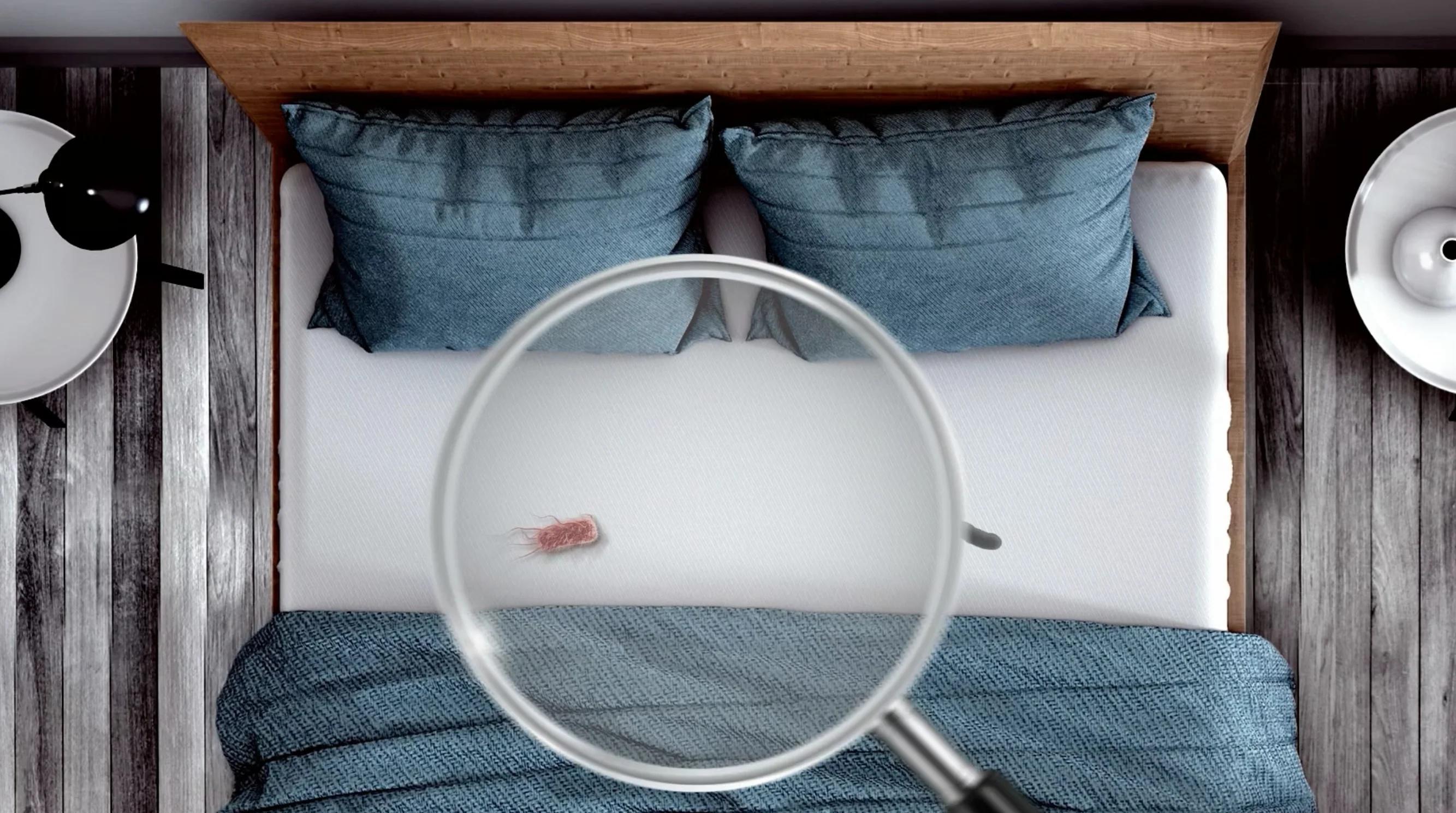
You have heard the term, and you are curious, but honestly, the idea of a probiotic air purifier sounds a little strange. We are used to probiotics in yogurt and supplements, not floating around our living rooms. So let me break this down in plain English, no microbiology degree required. A probiotic air purification system, like the ones made by EnviroBiotics, does not trap or kill microbes the way a HEPA filter or a UV light does. Instead, it releases beneficial bacteria into your indoor environment. These good bacteria are completely harmless to people and pets. Their job is to settle onto every surface in your home, multiply, and outcompete the bad guys. Think of it as crowd control for the invisible world. You are not sterilizing your home, which is impossible anyway. You are shifting the balance so that the good microbes vastly outnumber the bad ones. The result is fresher air, fewer allergens, and less mold, without any harsh chemicals or toxic residues.
The Probiotic Cartridge Is the Heart of the System
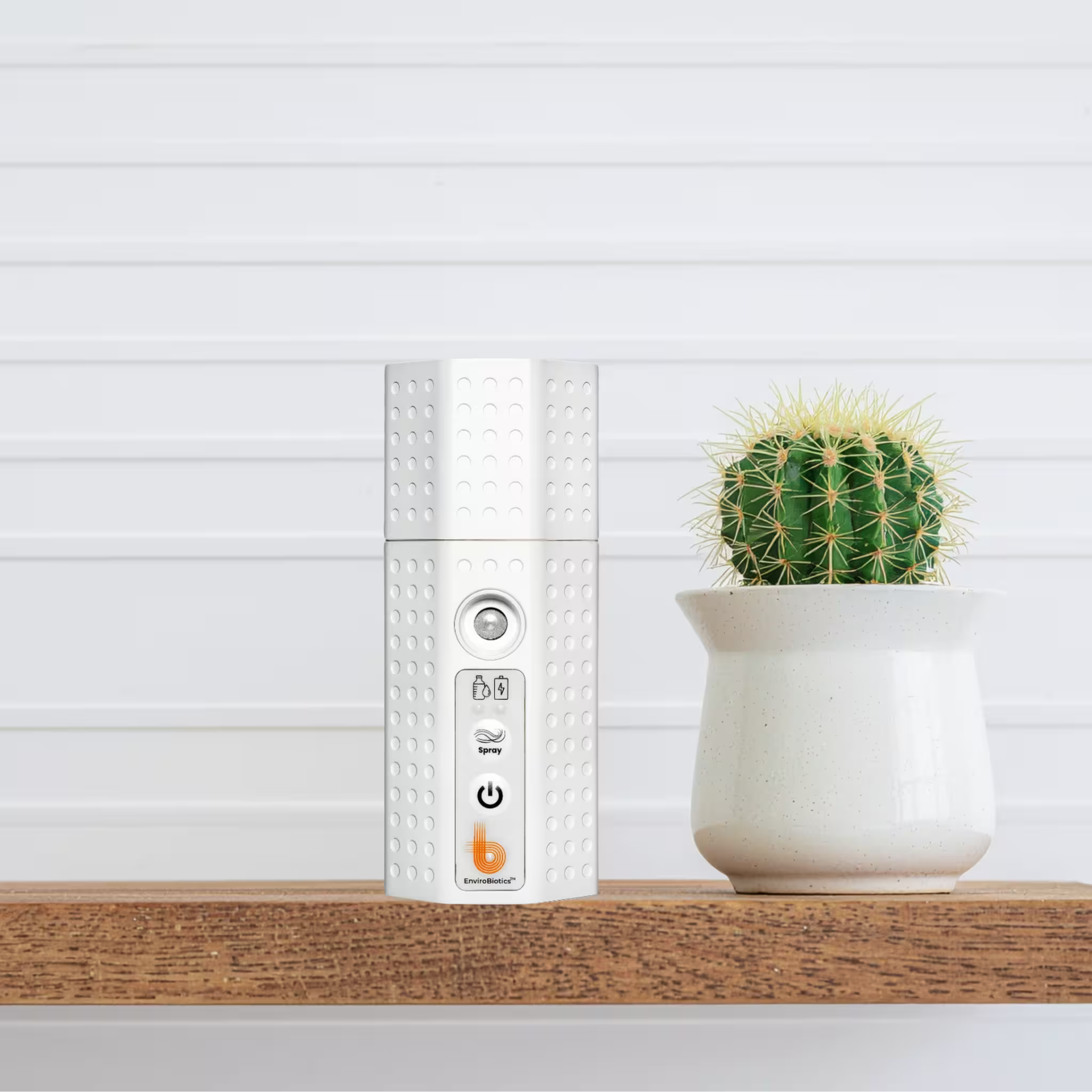
Every EnviroBiotics device, whether the small BioLogic Mini or the large E-Biotic Pro, uses a replaceable cartridge as its core component. Inside that cartridge are billions of Bacillus spores in a dormant, dried state. Bacillus bacteria have a remarkable survival trick. When conditions are tough, they form spores, which are essentially bacterial seeds. These spores can survive heat, cold, drought, and even the vacuum of space. They remain viable for years. When you plug in the device and turn it on, a small fan blows air over the cartridge, gently lifting the microscopic spores out of their container and into your room. The spores are so small that you cannot see them, and you will not feel them. They simply drift through the air like invisible dust. The cartridge releases a controlled amount of spores over several months. When it is empty, you throw the biodegradable cartridge away and snap in a new one. That is the only maintenance the system requires.
Spores Germinate into Active Bacteria on Surfaces
Once the Bacillus spores leave the device, they float through your indoor air. They are light enough to stay airborne for hours, drifting into every corner of your home. Eventually, gravity pulls them down onto surfaces, your floors, your countertops, your furniture, your walls, your window sills, and even inside your HVAC ductwork. This is where the magic happens. When a spore lands on a surface that is warm and has normal indoor humidity, it germinates. The hard spore coat cracks open, and a living, active Bacillus bacterium emerges. That bacterium immediately begins feeding on organic debris, the invisible layer of dead skin cells, food crumbs, dust, and other microscopic material that covers every surface in every home. As it feeds, it multiplies. One bacterium becomes two. Two become four. Within a few hours, a single spore can produce a small colony of thousands of bacteria.
Beneficial Bacteria Outcompete Harmful Microbes
Now you have living, active Bacillus bacteria on your surfaces. They are not just sitting there. They are actively managing your indoor ecosystem in two ways. First, they are consuming the organic debris that mold, dust mites, and pathogenic bacteria need to survive. Less food for the bad guys means fewer bad guys. Second, the Bacillus bacteria produce natural antimicrobial compounds called bacteriocins and lipopeptides. These compounds are like targeted antibiotics that specifically inhibit the growth of mold and harmful bacteria, while leaving the Bacillus themselves unharmed. The combination of resource competition and chemical warfare is devastating to indoor pathogens. Mold spores that land on a surface already colonized by Bacillus find no food and are attacked by antifungal compounds. They cannot germinate. Dust mites starve. Pathogenic bacteria are crowded out. This is competitive exclusion in action, and it is the secret behind probiotic air purification.
Continuous Protection Without Constant Effort
One of the most appealing aspects of probiotic air purification is that the protection is continuous and self-sustaining. Once the Bacillus colony is established on your surfaces, it does not disappear when you turn off the device. The bacteria remain alive and active, continuing to consume debris and produce antimicrobial compounds as long as conditions remain favorable. You do not need to remember to spray something every day or change a filter every month. The device runs quietly in the background, releasing fresh spores to replenish and strengthen the colony. If you live in a very dry climate, the Bacillus may form spores and go dormant, but they will germinate again when humidity returns. If you live in a humid environment, they will remain active year-round. The system works with your home's natural conditions rather than fighting against them. For busy homeowners, this set-it-and-forget-it reliability is a huge advantage over cleaning protocols that require constant attention.
Why This Is Different from HEPA, UV, and Ionizers
It helps to compare probiotic purification to the other technologies on the market. A HEPA filter traps particles but does nothing to surface contamination. A UV light kills microbes that pass directly in front of it but leaves shadows where pathogens survive. An ionizer charges particles so they fall out of the air, but it does not kill them and can produce ozone. Probiotic purification does none of these things. It does not trap, zap, or charge. It introduces living allies that do the work for you around the clock. The Bacillus bacteria are not a filter or a lamp. They are a workforce. They colonize surfaces that no filter can reach and no UV light can penetrate. They keep working when you are asleep, when you are at work, and when you forget to change a filter. This is not a gadget. It is a shift from mechanical cleaning to biological management. And for the growing number of homeowners frustrated with the endless cycle of filter changes, chemical sprays, and recurring mold, that shift cannot come soon enough.