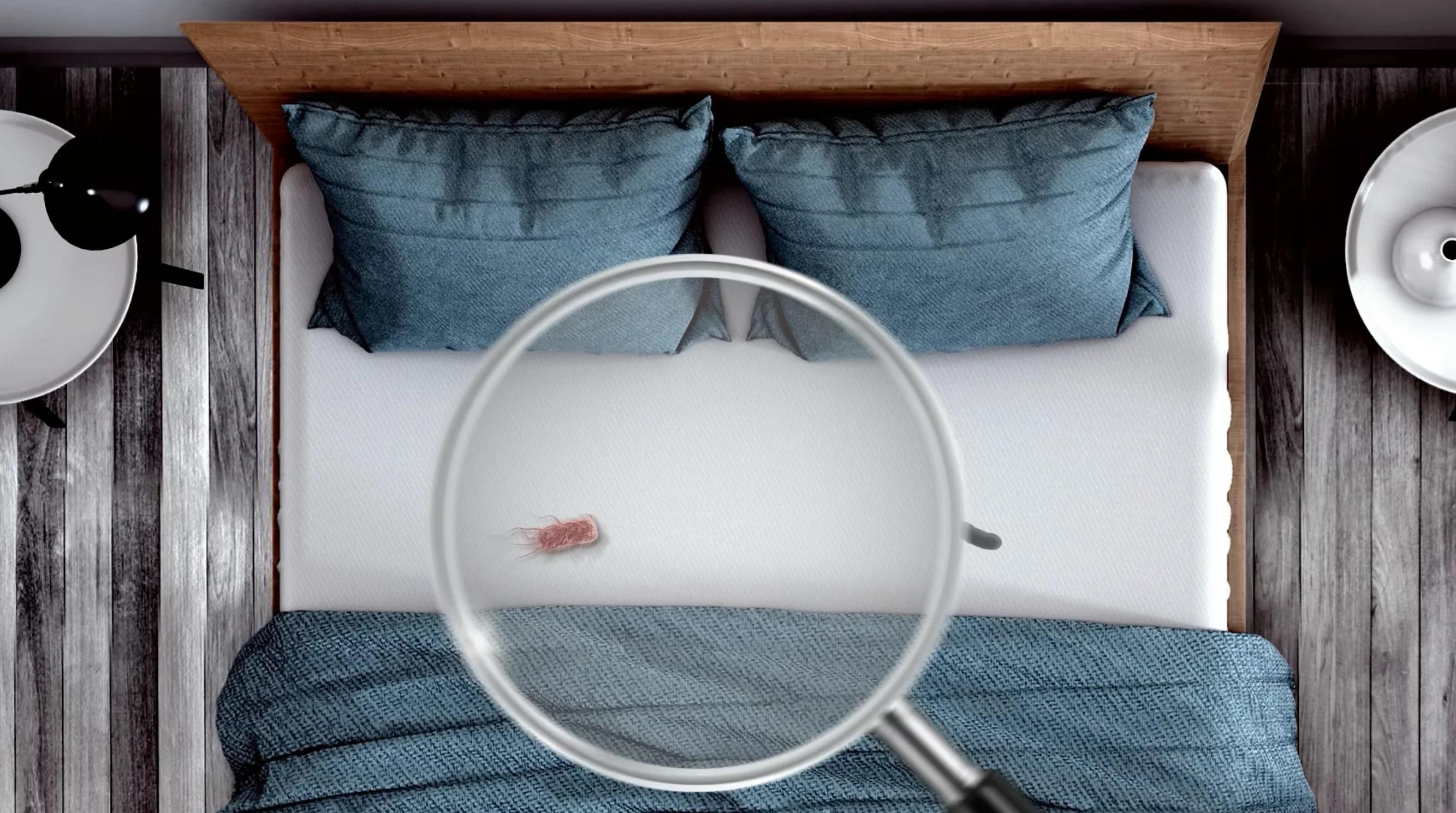
Standing in the probiotic air purification systems aisle or scrolling through online reviews, you are faced with a dizzying array of options. But the most fundamental choice you will make is between a HEPA filter and a probiotic system. Both claim to clean your air, but they do so through completely different mechanisms, and they solve completely different problems. A HEPA filter is a passive, mechanical device. It pulls air through a dense mesh that traps particles. A probiotic purifier is an active, biological device. It releases beneficial bacteria that colonize your surfaces and outcompete harmful microbes. Neither is universally better than the other. The right choice depends entirely on what is actually bothering you about your indoor air. Understanding the strengths and weaknesses of each technology is the only way to make a decision that leaves you breathing easier rather than just spending more money.
What HEPA Filters Actually Remove
HEPA filters are exceptionally good at one thing. Trapping particles. A true HEPA filter captures 99.97 percent of particles that are 0.3 microns in size, which includes most dust, pollen, mold spores, pet dander, and even many bacteria. If your primary complaint is visible dust on your furniture, seasonal pollen that drifts in through open windows, or smoke particles from a nearby wildfire, a HEPA filter is an excellent choice. It will physically remove those particles from the air as long as the fan is running. However, HEPA filters have three major limitations that are rarely discussed. First, they do nothing to gases, odors, or volatile organic compounds. Second, they only clean the air that passes through them, which means particles must drift into the intake. Third, and most importantly for long-term problems, a HEPA filter does nothing to stop the source of the particles. If mold is growing on your walls or dust mites are thriving in your carpet, your HEPA filter will capture some of the spores and feces they release, but it will not reduce the underlying population.
What Probiotic Purifiers Actually Do
Probiotic air purifiers take a completely different approach. Instead of trapping particles, they release beneficial Bacillus bacteria into your indoor environment. These bacteria settle onto surfaces, colonize, and actively compete with harmful microbes. They produce natural antimicrobial compounds that suppress mold and pathogenic bacteria. They consume the organic debris that dust mites and mold feed on. Over time, the probiotic colony becomes the dominant organism on your surfaces, and the populations of harmful microbes decline dramatically. This addresses the source of the problem rather than just the symptoms. A home with a well-established probiotic colony will have fewer mold spores released into the air, less pet dander accumulating on surfaces, and fewer dust mite allergens because the mites are being starved. However, probiotic systems do little to nothing for non-biological particles like smoke, pollen, or construction dust. If your air quality problem is outdoor pollution drifting in, a probiotic purifier will not help much.
Comparing Their Effectiveness Against Common Problems
Let us break down how each technology performs against specific indoor air quality challenges. For airborne mold spores, both work. A HEPA filter traps them, and a probiotic system reduces their production at the source. For surface mold growth, a HEPA filter does nothing, while a probiotic system actively suppresses the colony. For pet dander, a HEPA filter captures airborne particles, while probiotics break down the proteins on surfaces. For dust mite allergies, a HEPA filter captures some fecal pellets, but probiotics starve the mites by consuming their food source. For smoke and cooking odors, a HEPA filter is useless unless it includes an activated carbon layer, and probiotics are equally ineffective because these are chemical, not biological, problems. For musty smells caused by microbial volatile organic compounds, a HEPA filter does nothing, while probiotics both suppress the producing microbes and break down the odor molecules. The pattern is clear. HEPA filters are excellent for particles, especially those coming from outside your home. Probiotics are excellent for biological problems originating inside your home.

Cost and Maintenance Considerations
The financial picture for these two technologies also differs significantly. A good HEPA purifier costs anywhere from one hundred to five hundred dollars upfront. Replacement filters typically cost twenty to eighty dollars and need changing every six to twelve months, depending on usage. There is no recurring cost beyond filter changes. A probiotic purifier like the EnviroBiotics BA-2080 costs around three hundred to three hundred fifty dollars upfront. Replacement probiotic cartridges cost about thirty to forty dollars and need changing every four months. Over a five year period, the probiotic system will have higher ongoing costs. However, many users find that they can reduce or eliminate other expenses, such as allergy medications, professional mold inspections, or expensive HEPA filters for multiple rooms, because the probiotic system addresses the root cause rather than just the symptoms. The right financial choice depends on whether you are currently spending money on problems that probiotics could solve permanently.
Making the Right Choice for Your Situation
So which one should you bring into your home? Start by identifying your primary complaint. If you live next to a freeway or in a high-pollen area and your main issue is outdoor particles drifting in, buy a HEPA purifier with a true HEPA filter and an activated carbon pre-filter for gases. If you struggle with mold, musty smells, pet odors, or allergies that seem to come from inside your home no matter how much you clean, a probiotic system is likely the better investment. If you have both problems, and many homes do, the smart move is to use both technologies together. Run a HEPA unit in your bedroom during pollen season to capture incoming particles. Run a probiotic unit continuously in a central location to manage biological growth on surfaces throughout your home. They do not interfere with each other. They complement each other. The question is not which one is better. The question is which problem you need to solve first, and whether your budget allows you to solve both.