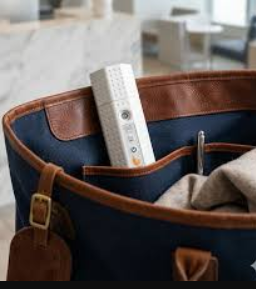
Walk into any home goods store, and you will see shelves of devices proudly labeled as air purifiers. But here is a secret that most marketing materials conveniently blur: many of these machines are actually just filters, not true purifiers. The difference is not just technical jargon. It affects how clean your breathing air actually becomes, how much maintenance you will wrestle with, and whether you are simply hiding a problem or genuinely solving it. Understanding this distinction could save you hundreds of dollars and, more importantly, help you breathe easier in a way that actually matters for your health.
Filtration Only Removes Particles It Can Catch
Think of a standard air filter like a sieve over a stream. It captures whatever is bigger than its mesh openings and lets everything else flow right through. HEPA filters are impressively good at this, trapping dust, pollen, and pet dander down to tiny sizes. However, they cannot do anything about gases, chemical vapors, odors, or volatile organic compounds. Those molecules are simply too small to be caught by even the tightest physical sieve. Your expensive filter machine might be pulling dust out of the air while completely ignoring the formaldehyde seeping from your pressed wood bookshelf or the benzene drifting off that new carpet. Filtration is a mechanical process. It grabs what it can and ignores the rest.
Purification Actively Changes Pollutants at a Molecular Level
True purification goes beyond trapping. It alters the actual chemistry of airborne contaminants, breaking them down into harmless components or neutralizing their toxicity. Technologies like photocatalytic oxidation, ultraviolet germicidal irradiation, and plasma cluster ionization fall into this category. They do not just capture a mold spore; they destroy its DNA so it cannot reproduce. They do not trap a chemical fume; they split its molecular bonds into water vapor and trace carbon dioxide. This is why hospitals and laboratories rely on purification rather than simple filtration. The distinction matters because many household pollutants—especially gases and biological compounds—are not solid particles. You cannot sieve a smell or a virus out of the air.
Why Your Home Likely Needs Both Strategies
Neither approach alone gives you complete air quality protection. Filtration excels at removing visible dust and large allergens that trigger sneezing and itchy eyes. Purification shines at neutralizing invisible threats like bacteria, chemical off-gassing, and stubborn odors that linger despite vacuuming. A home with smokers, new furniture, or recent paintwork desperately needs purification to handle those chemical loads. A home with fluffy pets and open windows on windy days needs filtration to manage the constant influx of pollen and dander. The smartest approach is not choosing one over the other but understanding which problem you are actually facing. Most people overspend on filtration when purification would solve their real issue, or vice versa.
Filtration Requires Constant Maintenance to Stay Effective
Here is a frustration that every filter owner eventually discovers. That clean-looking mesh or pleated paper is actively working against you the moment it gets dirty. A clogged filter does not just stop working well—it becomes a breeding ground for captured bacteria and mold that then blow right back into your living space. Manufacturers recommend changing HEPA filters every six to twelve months, but in dusty or high-pet homes, that timeline shrinks dramatically. Replacement filters cost real money, and skipping changes means your expensive machine is essentially recycling trapped pollutants. True purification systems often use permanent components like UV bulbs or catalytic plates that simply need occasional wiping or annual bulb swaps, without the recurring expense of disposable filters.
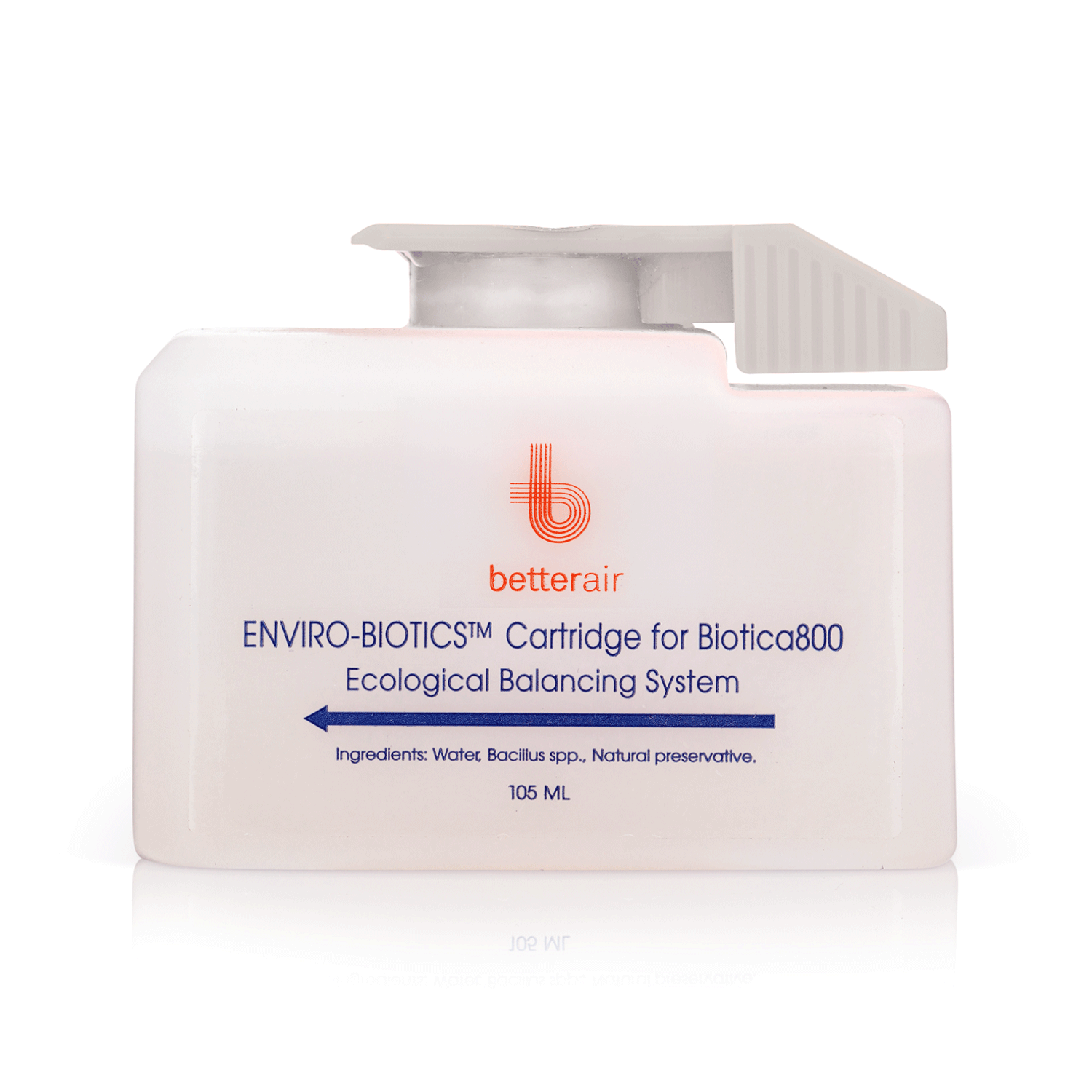
Purification Handles What Filtration Completely Misses
The most frustrating air quality complaints are often the ones filtration cannot touch. That lingering smell of last night’s fish fry. The musty basement odor that returns every summer. The throat irritation you feel after spending an afternoon in a room with fresh paint or new laminate flooring. These are gas-phase pollutants, not solid particles. No amount of HEPA filtering will remove them because they exist as individual molecules floating freely through the same spaces as your breathable air. Purification systems designed to target volatile organic compounds and odors use oxidation or adsorption to neutralize these gases. Without true purification, you are living with a constant low level of chemical exposure while wondering why your expensive filter machine seems to do nothing for the smells that bother you most.
Choosing the Right Tool Saves Money and Frustration
Before spending another dollar on air quality devices, take a hard look at what is actually floating around your home. If you are dealing with visible dust bunnies, learn more shedding pets, or seasonal pollen blowing through open windows, a quality filtration unit with a true HEPA rating makes perfect sense. If you are battling chemical sensitivities, unexplained odors, new furniture smells, or recurring mold issues, purification is non-negotiable. Some premium devices combine both technologies, offering a pre-filter for particles followed by a UV or oxidation stage for gases. The bottom line is simple: filtration scrubs the air you can see floating in a sunbeam. Purification cleans the air you cannot see but can definitely smell and feel. Knowing the difference means you stop guessing and start breathing better.