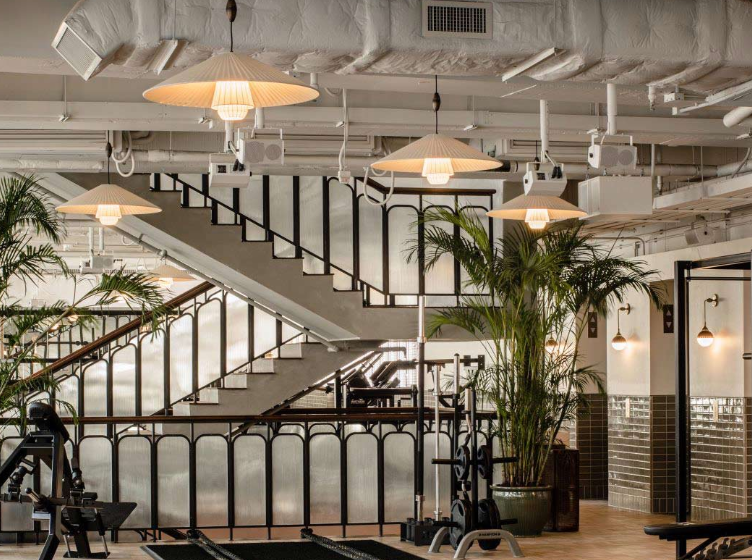
You have probably been in a gym where you constantly felt like you were in someone’s way. Every turn seemed to lead to a dead end, every machine you wanted was blocked, and every path you took crossed through another member’s workout space. That is bad flow, and it is the number one reason members quietly quit without ever saying a word. SPX Gym Design has studied flow patterns for years, and we have learned that good flow is invisible. Members move through their workout without thinking about where to go next. Here are the layout ideas that make that happen.
The Perimeter Loop Strategy
One of the simplest and most effective flow strategies is placing all major equipment along the walls rather than scattered through the middle. This creates a clear perimeter loop that members can follow like a track. Cardio machines line one wall. Strength equipment lines the opposite wall. Cable machines and functional gear fill the remaining perimeter. The center of the room stays mostly open for stretching, bodyweight work, and class warm-ups. Members naturally walk the perimeter loop to move between zones, never needing to cut through the middle where people are on the floor. This strategy also keeps walkways clear because nobody is crossing the room diagonally.
The Hub and Spoke Model
For larger facilities, the hub and spoke model creates intuitive flow. A central hub, typically the front desk, water station, and a small lounge area, sits in a visible location. From this hub, clear pathways radiate outward like spokes on a wheel, leading to different workout zones. Cardio down one spoke. Strength down another. Functional training down a third. Locker rooms down a fourth. Members always know that returning to the hub reorients them and gives them access to water, towels, or staff assistance. This model prevents the maze-like feeling that plagues gyms with long, confusing hallways. Every path eventually leads back to familiar territory.
Wide Aisles With Secondary Passing Zones
Minimum aisle widths are a trap. Building codes might require only three or four feet of clearance, but that does not mean you should design to the minimum. Professional gym design uses primary aisles that are at least six feet wide, and often eight feet in high-traffic areas. These wide aisles allow two people to pass comfortably and someone to stop briefly without blocking traffic. In addition to wide primary aisles, smart layouts include secondary passing zones, small alcoves or widened areas every forty to fifty feet where people can step aside to check their phone or adjust their shoes. These passing zones prevent the bottleneck effect where one slow person blocks everyone behind them.
Zone Adjacency Based on Movement Patterns
The order of your workout zones should match how people actually train. Most members start with cardio or a dynamic warm-up, move to strength training, and finish with stretching or mobility work. Your layout should follow that same sequence. Place cardio machines near the entrance so members start there naturally. Position strength zones next to cardio so the transition is short. Locate stretching and recovery areas near the locker rooms, which are typically the last stop before leaving. Disrupting this natural order forces members to backtrack across the gym, creating congestion and frustration. Let the workout guide the layout rather than forcing members to adapt to a random arrangement.
The Triangle Rule for Functional Zones
For functional training areas and small group workout spaces, the triangle rule improves flow dramatically. Position the three most-used elements, the coach or instructor station, the equipment storage, and the main workout floor, at the points of an invisible triangle. Members can move easily between these three points without crossing through each other’s spaces. The coach has clear sightlines to both storage and the workout floor. Equipment is accessible without walking through active training areas. This triangular relationship eliminates the common problem of members constantly crisscrossing in front of the instructor or bumping into each other while grabbing weights.
Equipment Facing Orientation
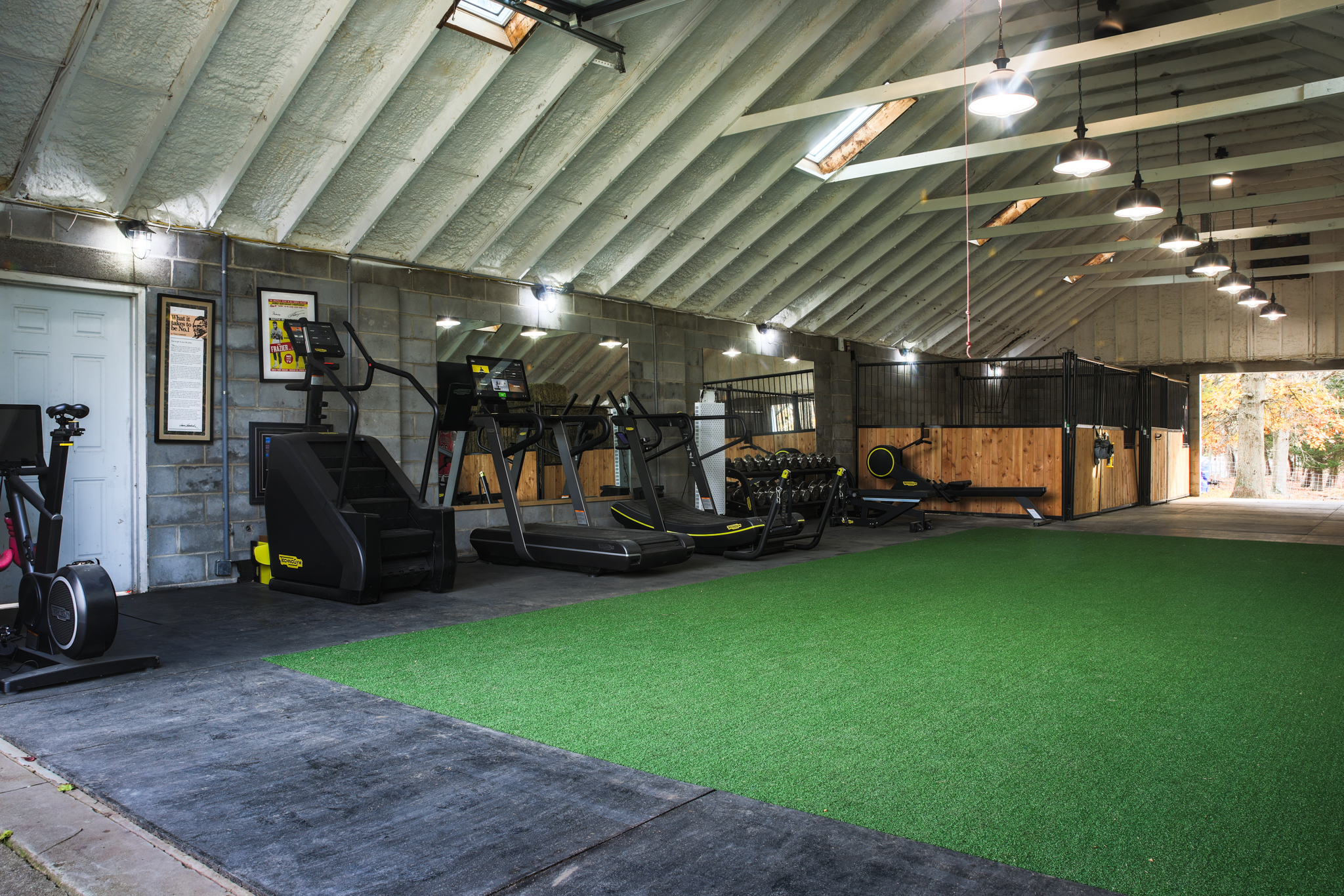
Which direction your equipment faces has a huge impact on flow. Machines that face inward toward the center of the room create a natural gathering effect, with members looking at each other and the space feeling social and energetic. Machines that face outward toward walls create a more focused, individual atmosphere. Professional design chooses orientation based on zone purpose. Social zones like functional training and cardio theaters face inward. Focus zones like heavy lifting and stretching face outward or toward mirrors. Never mix orientations randomly within the same zone, as members will constantly feel unsure about where to look and how to position themselves.
Deceleration Zones at Exits
The moments just before a member exits your gym are surprisingly important for flow. A member rushing out, tired and eager to leave, should not have to navigate a complex path past other members. Professional design creates deceleration zones near exits, wider areas where leaving members can slow down, gather their belongings, and exit without rushing through active workout spaces. These zones often include a final water bottle refill station, towel return bin, and a small bench for putting on shoes. When the exit path is clear and unhurried, members leave feeling calm rather than frustrated. That calm feeling is the last impression you leave them with, and it directly affects whether they look forward to coming back.