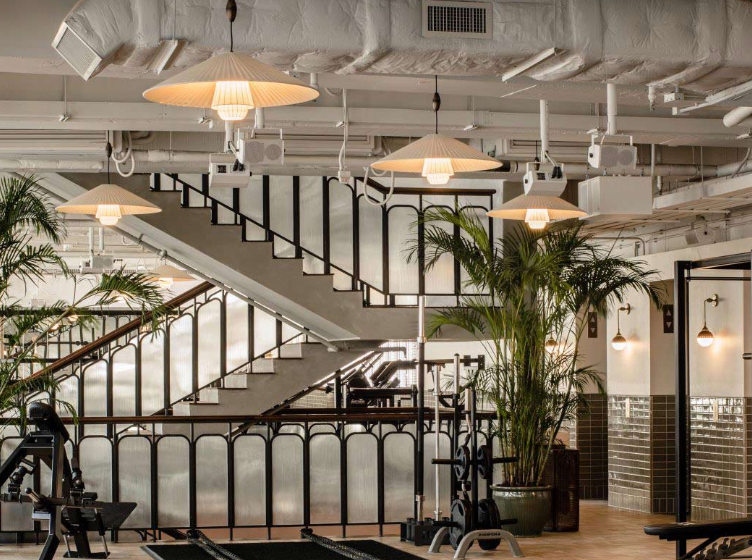
After spending over a decade designing fitness spaces across three continents, the team at SPX Gym Design has learned that a great gym is never an accident. It is the result of countless small decisions, each one made with a clear understanding of how real people actually move, sweat, and socialize. Too many gyms are built around equipment catalogs rather than human behavior, and that is precisely why they feel cold, confusing, or exhausting to spend time in. This guide pulls back the curtain on what we have discovered through trial, error, and plenty of happy members.
Starting With Member Psychology Rather Than Floor Plans
Most gym designs begin with a blank floor plan and a list of machines to cram in. That is backwards. The right way to start is by asking a simple question, how do different people want to feel at different times of the day? The morning commuter wants efficiency and no waiting. The midday parent needs visibility of the kids’ club from the treadmill. The evening lifter wants intensity and space to be loud. Professional gym design maps these psychological needs onto physical space before a single piece of equipment is ordered. When you understand what members are feeling before they even walk in, you can design spaces that meet them exactly where they are.
The Silent Power of Transition Spaces
Everyone talks about the weight floor and the cardio zone, but nobody discusses the spaces in between. Hallways, doorways, stairwells, and entry vestibules are where members transition mentally from the outside world into workout mode. Ignore these areas, and you lose momentum. Design them well, and you create a gentle ramp into focus. SPX Gym Design recommends widening all doorways to at least forty-eight inches so traffic never snarls. Add a small bench near the entrance for tying shoes and a water bottle filling station that does not create a line. These transition zones set the emotional tone for the entire visit, yet most gyms treat them as afterthoughts.
Lighting That Changes With the Day’s Rhythm
Stick with one uniform lighting scheme, and you force every workout into the same emotional box. Smart gym design uses layered lighting that adapts to natural light levels and time of day. Near windows, keep artificial light dim during sunny hours to save energy and feel more organic. In interior zones, use tunable white LEDs that shift from cool, alert tones in the morning to warmer, calming tones in the evening. For late-night hours, consider motion-activated path lighting that feels safe without being harsh. Members notice when a gym feels appropriately lit for the hour they train, even if they cannot explain why. That subconscious comfort builds loyalty.
Zoning for Different Social Energy Levels
Not everyone wants the same social experience when they work out. Some members crave the buzz of a crowded functional training area. Others want to put headphones on and disappear into a corner. Professional design creates distinct zones that match these different social needs without making anyone feel excluded. High-energy zones have open sightlines and room for group motivation. Low-energy zones use partial walls, strategic equipment placement, and softer surfaces to create pockets of privacy. The key is avoiding any zone that feels like punishment or exile. Every area should feel intentional and valued, whether it is built for a screaming deadlift or a quiet stretch.
Flooring as an Active Design Tool
Flooring is rarely treated as a strategic element, but it should be. Different activities demand different underfoot feels, and mixing those surfaces correctly changes everything. Heavy lifting areas need dense rubber that does not compress under dropped weights. Functional training spaces benefit from slightly more forgiving turf or foam tile that reduces joint stress. Walkways and stretching zones can use luxury vinyl or sealed concrete for easy cleaning. The mistake is trying to use one flooring type everywhere. SPX Gym Design always maps flooring to movement patterns first and budget second. When the ground feels right for what you are doing, your body relaxes into the workout.

Storage That Disappears Until Needed
Cluttered gyms feel smaller, dirtier, and more stressful than they actually are. Professional design solves this with storage that is abundant but invisible. Think floor-to-ceiling cubbies recessed into walls, rolling carts for resistance bands and med balls, and magnetic hooks on rig posts for personal belongings. The goal is that every item has a home within arm’s reach but not in the way. Members should never trip over a stray kettlebell or search for a missing mat clip. When storage is designed into the architecture rather than added as an afterthought, the whole space breathes better.
Acoustics That Balance Energy and Sanity
The loudest complaint in poorly designed gyms is rarely about equipment. It is about noise bleeding between zones. Your yoga studio should not thump with bass from the cycling room next door. Your lap pool should not echo every splash into a deafening roar. Professional gym design treats acoustics as a structural priority rather than an afterthought. Double-layer drywall with staggered studs, acoustic sealants around electrical outlets, and resilient channels that decouple surfaces all prevent sound travel. In open floor areas, baffle ceilings and fabric-wrapped wall panels absorb excess reverberation without deadening the energy completely. Members stay longer when they are not fighting unwanted noise.