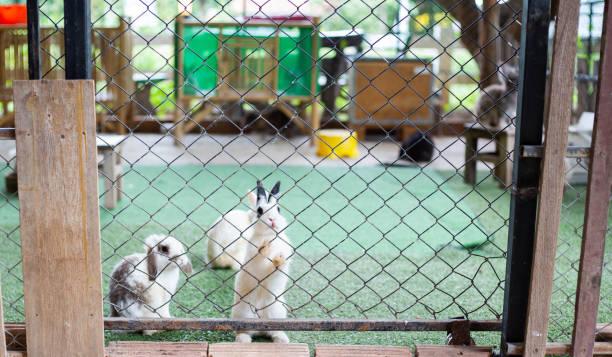
Leaving your rabbit with a boarding facility for the first time is genuinely nerve-wracking. Rabbits aren't like cats or dogs. They hide stress really well, they can go downhill fast if their diet gets disrupted, and most general pet boarding places just don't know enough about them. So before you drop your bunny off and hope for the best, it helps to know what a good experience actually looks like. If you're somewhere in Southern California and starting your search, Best Rabbit Boarding in Fullerton CA is a useful starting point for finding rabbit-specific care. This guide walks through everything you'll want to think about before, during, and after the stay.
Why Rabbits Need Specialized Boarding Care
Most boarding facilities are built around dogs and cats. That's just the reality. Rabbits have a completely different set of needs, and putting them in a general kennel environment can cause serious problems. Loud barking, strong smells from other animals, and temperature swings are all stressors that can push a rabbit into GI stasis, which is a life-threatening shutdown of the digestive system.
Rabbits also need constant access to hay. Not as a treat. As the foundation of their entire diet. A facility that doesn't understand this might supplement with pellets or vegetables and think they're doing fine, when actually the rabbit is quietly heading toward a health crisis. Their gut has to keep moving, always.
Temperature matters a lot too. Rabbits are comfortable between roughly 60 and 72 degrees Fahrenheit and can suffer heatstroke pretty quickly above 80. A hot garage or a poorly ventilated back room isn't acceptable. You want a climate-controlled space, separate from dogs and cats, with staff who actually know rabbit behavior. That's a short list of requirements, but a lot of places still can't meet it.
How to Evaluate a Boarding Facility Before You Commit
Visit in person. Don't just call and ask a couple of questions over the phone. You want to see where the rabbits are kept, smell the space, and watch how staff interact with the animals. A clean facility without strong ammonia odors is a good sign. Dirty cages or enclosures that are too small to allow natural movement are red flags you can spot immediately.
Ask specifically about enclosure size. A rabbit needs enough room to take at least three or four full hops, stand up on their hind legs, and stretch out completely. Anything smaller causes stress and joint problems over even a short stay. Ask what bedding they use too, since some materials are irritating or unsafe for rabbits.
Staff knowledge is probably the most important thing to check. According to general information about rabbit biology and behavior, these animals have highly specific digestive and behavioral needs that differ substantially from common household pets. A good staff member should be able to tell you what signs of GI stasis look like, how often they check on the rabbits, and what their protocol is if an animal seems unwell. If they look at you blankly, that tells you something.
Preparing Your Rabbit for the Stay
A vet check before boarding is worth doing, especially if your rabbit hasn't been seen in a while. You want to make sure they're healthy going in, because a rabbit that's already slightly off is going to have a harder time adjusting. Get their nails trimmed if they're long. Mention any quirks or medical history to the facility ahead of time.
Bring something familiar. A worn t-shirt, their usual fleece liner, a favorite toy. It sounds small, but rabbits are territorial animals and familiar scents genuinely reduce anxiety in a new environment. Pack enough of their regular hay and pellets for the full stay, and write out their feeding schedule clearly. Don't assume the facility stocks the same brand they're used to.
If your rabbit is bonded with another rabbit, try to board them together. Separating bonded pairs causes real distress for both animals. Most rabbit-specific facilities will accommodate pairs in the same enclosure, but confirm this when you book.
What a Rabbit-Safe Facility Looks Like in Practice
The best facilities keep rabbits completely separate from dogs and cats, both physically and in terms of sound. They have staff doing regular welfare checks throughout the day, not just at feeding time. Rabbit Boarding in Fullerton CA options that specialize in small animals tend to have this dialed in better than general kennels.
Look for facilities that ask you questions too. A good boarding provider wants to know your rabbit's name, their personality, their diet, their health history. If the intake process takes two minutes and nobody asks you anything, that's not a great sign. Critter Lodge is one example of a provider that focuses specifically on small animals and approaches intake with that kind of thoroughness.
Hygiene matters in a very practical way with rabbits. Their enclosures need spot-cleaning at least once a day and full cleaning regularly. Urine buildup causes respiratory irritation. A facility that cleans only when it looks bad isn't meeting the standard rabbits actually need.
Watching for Stress After Your Rabbit Comes Home
Don't be alarmed if your rabbit seems off for a day or two after boarding. That's pretty normal. They've been in an unfamiliar place, their routine has shifted, and they're readjusting to their home territory. Give them quiet time. Let them approach you on their terms rather than picking them up immediately.
Watch the litter box closely for the first 48 hours. You want to see them eating hay, drinking water, and producing normal droppings. If they're not eating at all by the 12-hour mark after getting home, or if their belly looks bloated, call your vet. GI stasis moves fast and waiting it out is not a good strategy.
Most rabbits bounce back within a couple of days. Some take a little longer, especially older rabbits or ones that are naturally more anxious. Stick to their normal routine, keep the environment calm, and they'll usually settle back in. The second time you board them tends to go smoother than the first, for both of you. Best Rabbit Boarding in Fullerton CA facilities that keep detailed notes about your rabbit's stay can also help you troubleshoot what to do differently next time.
Frequently Asked Questions
How long can a rabbit stay at a boarding facility safely?
Most healthy adult rabbits handle stays of a week or two without major problems, as long as the facility is well-run and the rabbit's diet stays consistent. Longer stays are possible but you'll want to check in if you can, even just a quick call to hear how they're doing.
Should I board my rabbit or hire a pet sitter to come to my home?
Both options can work. In-home sitting keeps the rabbit in a familiar environment, which lowers stress. But a rabbit-specific boarding facility with experienced staff may actually provide better monitoring and faster response if something goes wrong. It depends on the quality of whoever you're trusting with the job.
What should I bring when dropping off my rabbit?
Bring enough of their regular hay and pellets for the full stay, their usual water bottle or bowl, a piece of bedding or fabric that smells like home, and any medication they take. Write down their feeding schedule and emergency contact information, including your vet's number.
How do I know if a facility is genuinely rabbit-knowledgeable?
Ask them what GI stasis is and how they'd recognize it. Ask how often staff checks on the rabbits overnight. Ask what they do if a rabbit stops eating. The answers will tell you pretty quickly whether the staff actually knows rabbits or just thinks all small animals are basically the same.
Is Rabbit Boarding in Fullerton CA available for bonded rabbit pairs?
Yes, most rabbit-focused facilities in the area will house bonded pairs together. You should always confirm this when you book, though. Separating bonded rabbits causes significant stress and can actually make both animals harder to manage during the stay.