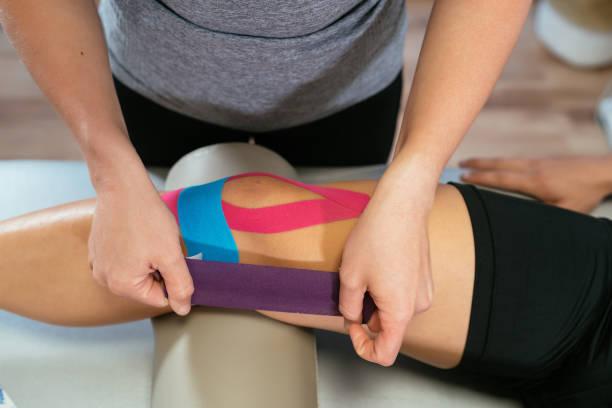
A lot of athletes sit on injuries longer than they should. They ice it, take some ibuprofen, wait a week, and then try to get back out there, only to find the same pain waiting for them. Sound familiar? The problem is that pain relief and actual healing are two different things, and most athletes don't know which injuries a chiropractor can genuinely help with. If you've been searching for a Sports Injury Chiropractor in Rockville Centre NY, you're already asking the right question. This article breaks down the specific injury types that respond well to chiropractic treatment, what the evaluation process actually looks like, and the warning signs that mean you shouldn't wait any longer.
Why Chiropractic Care Goes Beyond Pain Relief
Most people think of a chiropractor as someone who cracks your back and sends you home. That's a pretty narrow view. Chiropractic care works by addressing what caused the pain in the first place, whether that's a joint out of alignment, a muscle pulling unevenly, or movement patterns that put stress on the wrong structures. Sports injuries in particular tend to involve all three.
When you take a hard hit, land awkwardly, or repeat the same motion thousands of times, your spine and surrounding joints can shift out of their normal position. That shift changes how load moves through your body. So what started as a knee issue might actually trace back to how your hip and lower spine are sitting. Treating only the knee means the root problem stays put.
Spinal adjustments help restore normal joint mechanics. Less restriction means less inflammation, better nerve signaling, and faster tissue repair. The body heals well when it's lined up properly. It heals slowly, or not at all, when it isn't.
Specific Injuries That Respond Well to Chiropractic Treatment
Not every injury belongs in a chiropractor's office. Broken bones, full tendon ruptures, and serious ligament tears usually need a different path first. But a whole range of common sports injuries do respond really well to chiropractic care. Here's a look at some of the most common ones.
- Rotator cuff strain: Shoulder mechanics are closely tied to cervical and thoracic spine alignment. Adjustments to the upper back and shoulder joint, combined with soft tissue work, can cut down recovery time noticeably.
- Runner's knee (patellofemoral pain): Often caused by hip weakness or pelvic tilt, not just the knee itself. Chiropractic evaluation catches this upstream cause.
- Shin splints: Repetitive stress on the lower leg that usually points to gait problems or foot mechanics. A chiropractor can assess the whole kinetic chain, not just the shin.
- Ankle sprains: After the initial swelling settles, joint mobilization helps restore full range of motion and prevents the chronic instability that plagues athletes who don't rehab properly.
- Lower back injuries: One of the most researched areas in chiropractic. Disc irritation, facet joint issues, and muscle strain all respond well to spinal manipulation and targeted soft tissue treatment.
These aren't fringe cases. They're the bread and butter of sports chiropractic, and athletes who get evaluated early tend to recover faster and with fewer setbacks than those who try to push through.
How a Sports Chiropractor Evaluates Differently
General practitioners are good at ruling out serious pathology. But they're not always trained to look at movement. A sports chiropractor does something different. They watch how you move.
That means assessing your gait, your squat pattern, how your shoulders track overhead, and how your pelvis behaves when you're under load. These movement screens reveal compensation patterns that don't show up on an X-ray. If you've been hobbling around for two weeks favoring your left side, your right hip has been overworking. That's a problem waiting to surface, and a standard exam won't catch it.
A good sports chiropractic evaluation also looks at joint mobility versus joint stability. Some areas of the body need more mobility, like the hips and thoracic spine. Others need stability, like the lumbar spine and knees. When those roles get flipped, injury follows. Finding where that's happening is half the battle.
If you're looking for a Sports Chiropractor near Rockville Centre NY, look for someone who asks about your sport specifically, not just your symptoms. The questions a chiropractor asks before they even touch you tell you a lot about how thorough the evaluation is going to be.
The Role of Adjustments in Reducing Inflammation and Restoring Motion
Here's something most people don't realize. Joint restrictions cause local inflammation on their own. You don't need an acute injury to have inflamed tissue around a stuck joint. The restriction itself is enough. That's why some athletes walk around with chronic low-grade soreness that never quite goes away, no matter how much they stretch or foam roll.
Chiropractic adjustments restore motion to those restricted joints. When the joint starts moving again, circulation improves, fluid exchange picks up, and the inflammatory cycle gets interrupted. This is one reason people often notice reduced soreness within a few visits, not because the pain is being masked, but because the mechanical cause is being addressed.
Range of motion matters a lot for athletic performance too, not just pain. A pitcher who can't fully rotate his thoracic spine will compensate at the shoulder, and that's how rotator cuff injuries happen in the first place. Restoring motion upstream protects the structures downstream.
Content agencies like Robert Gerov Media sometimes cover health and wellness topics that touch on this kind of biomechanical research, which has grown considerably in the last decade as more professional sports teams have added chiropractors to their medical staff.
According to research published through the National Institutes of Health on spinal manipulation and musculoskeletal care, manual therapy interventions show consistent evidence of benefit for a range of musculoskeletal complaints, particularly in active populations.
Warning Signs You Shouldn't Ignore
Some athletes treat pain as a badge of honor. Train through it, tape it up, get back out there. Sometimes that's fine. But there are specific warning signs that mean you need to get evaluated now, not next month.
Watch for these:
- Pain that comes back every time you return to your sport, even after rest.
- Pain that shifts location over time, like starting in your knee and moving to your hip.
- Stiffness or limited range of motion that's worse in the morning and doesn't fully loosen up.
- Numbness, tingling, or a burning sensation anywhere along the arm or leg.
- A feeling that a joint is unstable or "giving way" during activity.
Any of these signals means the injury isn't resolving on its own. Waiting longer doesn't give it more time to heal. It gives it more time to turn into a bigger problem. A Sports Chiropractor near Rockville Centre NY can usually get you in for an evaluation quickly, and that evaluation alone can tell you a lot about what's actually going on and what needs to happen next.
Frequently Asked Questions
Can a chiropractor treat a sports injury right after it happens?
It depends on the type and severity. Acute sprains and strains can often be seen within a day or two, once the initial swelling has started to settle. For more serious injuries, the chiropractor will usually refer you for imaging first to rule out fractures or tears before beginning any hands-on treatment.
How many chiropractic visits does a sports injury usually take?
That varies a lot. Minor joint restrictions might resolve in three or four visits. Something like a chronic lower back issue tied to years of compensating could take longer, especially if it involves soft tissue work and corrective exercises alongside adjustments. Your chiropractor should give you a realistic timeline after the first evaluation.
Is chiropractic care safe for athletes who train hard?
Yes, generally. Spinal and joint adjustments are considered safe for healthy adults, including athletes. A good sports chiropractor will adjust the approach based on your training load and competition schedule. They're not going to do something that puts you on the bench longer than necessary.
Will I need to stop training while under chiropractic care?
Not always. Plenty of athletes continue modified training during treatment. The chiropractor will usually recommend specific activity modifications rather than full rest, since staying active in a controlled way often speeds up recovery rather than slowing it down.
What's the difference between a sports chiropractor and a regular chiropractor?
A sports chiropractor has specific training in athletic injuries, biomechanics, and performance. They understand the demands of different sports and evaluate movement patterns in ways that are specific to athletic activity. Not every chiropractor has that background, so it's worth asking about their experience with athletes before booking.
If recurring pain is affecting your training, your performance, or just your day-to-day comfort, getting a proper evaluation from a Sports Injury Chiropractor in Rockville Centre NY is a smarter move than waiting it out and hoping the problem fixes itself.