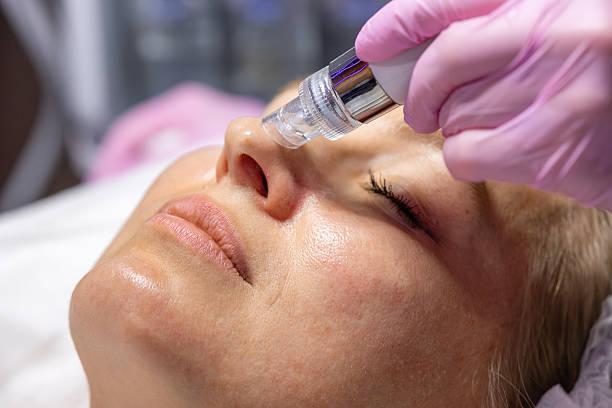
Booking a professional deep-cleansing facial session sounds straightforward until you do it at the wrong moment and wonder why your skin looks worse, not better, for the first few days. Plenty of people make that mistake. They schedule something right before a beach trip, or mid-flare, or two days after a chemical peel, and then blame the treatment when the real issue was just bad timing. If you're thinking about getting a Hydrafacial in Jacksonville FL, the single biggest thing you can do to protect your results is book it at the right time. That means the right season, the right gap before a big event, and an honest look at what your skin is doing right now.
Skin isn't static. It reacts to heat, humidity, UV load, stress, hormones, and whatever you put on it the week before. Getting a professional session without accounting for any of that is a bit like washing your car right before a rainstorm. Technically fine, but not ideal.
How Seasons Actually Affect Your Skin's Readiness
Jacksonville summers are no joke. The heat and humidity push your sebaceous glands into overdrive, which means more oil, more congestion, and more sweat sitting on your face all day. That's not automatically a reason to skip a session. But it does change what happens afterward. Post-session skin is temporarily more open and reactive, so stepping back into 90-degree heat and direct sun right after a hydrating treatment can undo some of the work faster than you'd expect.
Fall and winter tend to be kinder windows for this kind of reset. Cooler temps mean less sweat, less UV intensity, and skin that's genuinely thirsty for hydration. Cold dry air strips your barrier steadily, and a deep-cleansing hydrating session can replenish what those months take out. Honestly, late October through February is when most people see the most noticeable results and hold them the longest.
Spring sits in the middle. It's a solid time to book if you're building a quarterly routine, but keep an eye on how fast the UV index climbs in March and April around here. It picks up quicker than people expect.
The Pre-Event Booking Window
Got a wedding, a photoshoot, or a vacation coming up? Good. That's actually one of the best reasons to book a session. But the timing window matters a lot. Too close is a problem. So is too far out.
The sweet spot is roughly ten to fourteen days before the event. That gives your skin enough time to purge anything the treatment loosens up, settle back down, and actually show the glow you're after. Book it two or three days out and you're gambling. Some people sail through with zero reaction. Others get a few small breakouts or mild redness that lingers longer than expected, and then they're in photos or on a beach looking puffy when they wanted to look polished.
On the other end, booking six or more weeks out is fine for general maintenance, but you won't carry much of the benefit into the event itself. For Hydrafacial Treatment in Jacksonville FL specifically, two weeks prior is the number most estheticians will quote you, and they're right. Plan around that window and you're in good shape.
When You Should Wait, Not Book
There are situations where the right answer is just: not yet. Active sunburn is the obvious one. Burned skin is already inflamed and compromised, and putting it through a professional treatment will likely make things worse, not faster to heal. Wait until the burn has fully resolved and your skin feels normal again.
Open or actively inflamed breakouts are another pause point. A hydrating session can work around mild congestion, but if you've got cystic acne or angry pustules, a treatment that moves fluid and product through your skin can spread bacteria and worsen the breakout. Let the acute phase calm down first.
Recent chemical exfoliation or laser work is a hard stop. If you've had a chemical peel, microneedling, or any laser treatment in the last two to four weeks, your skin barrier is still rebuilding. Layering another active treatment on top of that is asking for irritation, sensitivity, or worse. Check with whoever did your last procedure and get their clearance before booking anything new.
Certain prescription topicals, especially retinoids like tretinoin or adapalene, also require a pause. Most providers will ask you to stop using them for at least five days before a session. Don't skip that step. It's not bureaucratic caution, it's just how skin chemistry works.
If you're unsure whether your current skin condition is a green light or a red one, Angel Brows And Aesthetics offers consultations where you can get an honest read before committing to a booking date.
Building a Year-Round Cadence That Actually Works
Frequency is less important than spacing. That's the thing most people get backwards. Doing sessions every three weeks because you're excited about the results isn't the move. Your skin needs time to cycle through its natural renewal process between treatments, which takes roughly four to six weeks depending on your age and skin type.
Quarterly scheduling, so roughly four sessions per year, works well for most people as a maintenance baseline. You can align these with the seasons if you want a practical framework: one at the tail end of summer to address congestion and sun damage buildup, one in early winter to counteract dryness and barrier stress, one in early spring before UV picks back up, and one mid-summer if your skin handles it well. That's a rhythm that makes sense for the Jacksonville climate specifically, where the seasonal swings are real even if they're not as dramatic as further north.
Spacing your Hydrafacial Treatment in Jacksonville FL appointments this way also gives you time to actually see what each session does for your skin before adding another one on top of it.
Summer vs. Winter: The Practical Difference
Summer sessions aren't off the table. They just need more intentional aftercare. You'll want to stay out of direct sun for at least 48 hours post-treatment, use a mineral SPF religiously, and avoid anything that generates extra heat on your skin, so no saunas, hot yoga, or outdoor cardio in the middle of the afternoon. Do all that and a summer session can still deliver solid results.
Winter sessions are lower-maintenance in that sense. The UV risk drops, you're spending more time indoors, and your skin is usually crying out for exactly the kind of deep hydration a professional session provides. The main thing to watch in winter is indoor heating, which dries air out fast. Use a good humidifier at home and follow up with a solid barrier-supporting moisturizer in the days after your session.
The bottom line is pretty simple. Both seasons work. Winter is just a bit more forgiving if aftercare isn't your strong suit.
Frequently Asked Questions
How long before a big event should I book a session?
Ten to fourteen days is the standard recommendation. That window gives your skin time to process any initial purging, settle down from the treatment, and show the actual results you're after. Anything under five days is risky if you have a camera or a crowd waiting.
Can I get a session in the middle of summer in Jacksonville?
Yes, but plan your aftercare carefully. Avoid direct sun for at least 48 hours, skip the sauna or hot workout classes, and use a good mineral SPF every single day. Jacksonville summers are intense, so post-session sun protection isn't optional.
What if I have a few small breakouts right now?
Small, non-inflamed congestion is usually fine. A trained esthetician can work around it. But if you've got active, inflamed, or cystic breakouts, it's better to wait until the acute phase passes. Booking during a flare can make things worse, not better.
How often should I be booking sessions for maintenance?
Most people do well with four sessions a year, spaced roughly every six to eight weeks at minimum. Going too frequently doesn't give your skin enough time to complete its natural renewal cycle between treatments, so you end up spending money without getting proportionally better results.
Do I need to stop any skincare products before my appointment?
If you're using prescription retinoids like tretinoin or adapalene, stop them at least five days before. Strong over-the-counter exfoliants like AHAs or BHAs are worth pausing two to three days before as well. Your provider will give you specific guidance when you book, so don't skip that conversation.
Getting the timing right isn't complicated once you know what to look for. Respect the seasonal context, give yourself the right pre-event buffer, and be honest about what your skin is going through right now. Do those three things and you'll actually get what you showed up for.