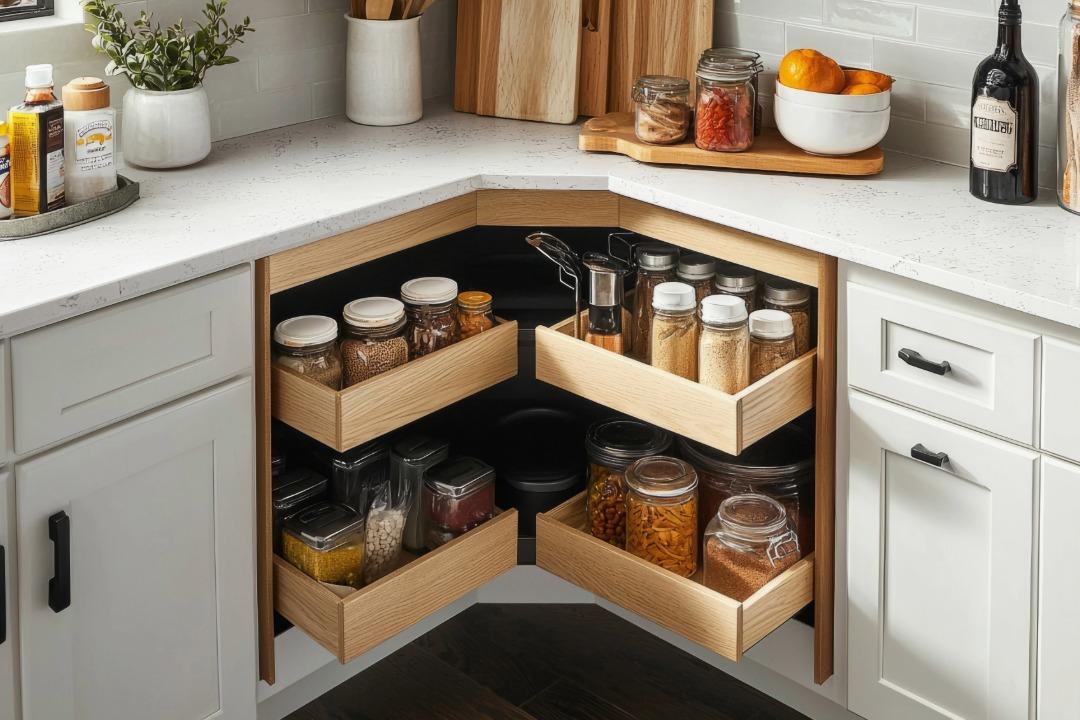
Modular kitchen cabinets are one of the most important elements in creating a practical, organized, and visually appealing kitchen. They provide dedicated storage for cookware, groceries, appliances, utensils, and everyday essentials while helping homeowners make better use of available space. With different layouts, finishes, colors, and configurations available, modular cabinets can be customized to suit both compact apartments and spacious homes.
Choosing the right cabinet construction requires more than selecting an attractive exterior. Best Materials for Modular Kitchen Cabinets Explained is an important consideration because the internal board, shutter material, edge treatment, and hardware all influence durability and performance. For Indian kitchens, moisture resistance, structural strength, ease of maintenance, and resistance to regular wear should be considered before finalizing the cabinet specification.
Understanding Modular Kitchen Cabinets
Modular kitchen cabinets are factory-made or precision-manufactured units designed to be assembled according to a kitchen's layout. Unlike conventional fixed cabinetry, modular units can be configured into different arrangements and may be easier to modify, replace, or upgrade.
Common cabinet configurations include base units, wall-mounted cabinets, tall units, corner cabinets, drawer units, and specialized storage modules. Combining these elements allows homeowners to create an efficient kitchen according to their cooking habits and available floor area.
Choose Materials According to Kitchen Zones
The material used for the cabinet carcass is particularly important in areas exposed to water and humidity. BWR or BWP plywood is commonly considered for moisture-prone areas, while HDHMR can be suitable for selected applications where moisture resistance and a smooth surface are required. Standard MDF and similar boards require greater care around wet areas because prolonged moisture exposure can cause swelling.
The sink cabinet deserves special attention because it can experience leaks, splashes, and cleaning-related moisture. A quality manufacturer should clearly specify the board grade rather than simply describing the cabinet as "waterproof."
Explore Different Cabinet Finishes
The external finish determines much of the kitchen's visual character. Laminates are popular because they offer numerous colors, patterns, textures, and relatively easy maintenance. Acrylic finishes can provide a sleek, reflective appearance, while PU finishes can create a sophisticated contemporary look.
Veneer can be considered when homeowners want the natural appearance of wood, while textured and matte finishes can create a more understated modern aesthetic. The right finish should complement the overall interior design and also suit the amount of maintenance the homeowner is willing to perform.
Focus on Smart Storage
Good modular kitchen cabinets are not simply about adding more storage. They should make everyday activities easier. Deep drawers can accommodate pots and pans, tall units can store groceries, and corner solutions can make difficult spaces more useful.
Dedicated compartments for cutlery, bottles, spices, cleaning supplies, and appliances can reduce clutter. Pull-out baskets, drawer organizers, and lift-up mechanisms can further improve accessibility.
Pay Attention to Hardware Quality
Hinges, drawer channels, handles, baskets, and lifting mechanisms are used repeatedly, making hardware an important part of cabinet performance. Smooth operation, appropriate load capacity, and proper installation can significantly improve the everyday experience.
Cabinet construction also matters. Accurate cutting, strong joints, proper edge banding, and professional installation help protect the internal material and maintain alignment over time.
Work With Experienced Manufacturers
Selecting experienced modular kitchen cabinets manufacturers can make the planning and execution process more reliable. A professional manufacturer can help with measurements, layout planning, material selection, finish combinations, storage requirements, manufacturing, installation, and after-sales support.
Before placing an order, homeowners should ask about material specifications, hardware brands, warranty coverage, installation procedures, and expected completion timelines. Comparing these factors rather than focusing only on the initial quotation can help avoid quality compromises.
Create Cabinets That Match Your Lifestyle
Every household uses its kitchen differently. A family that cooks frequently may need stronger drawers, larger storage modules, and more durable surfaces, while a smaller household may prioritize compact storage and minimal maintenance.
The cabinet design should therefore be based on actual usage rather than trends alone. A thoughtful combination of cabinet sizes, materials, finishes, and accessories can produce a kitchen that remains functional and attractive for years.
Conclusion
Modular kitchen cabinets combine storage, organization, aesthetics, and functionality in a flexible format. From selecting suitable materials to planning intelligent storage and reliable hardware, every component contributes to the final result. Choosing experienced manufacturers and specifying appropriate materials for different kitchen zones can help homeowners achieve cabinets that are durable, practical, and visually appealing. With careful planning, modular cabinets can become the foundation of an efficient kitchen designed around everyday needs.