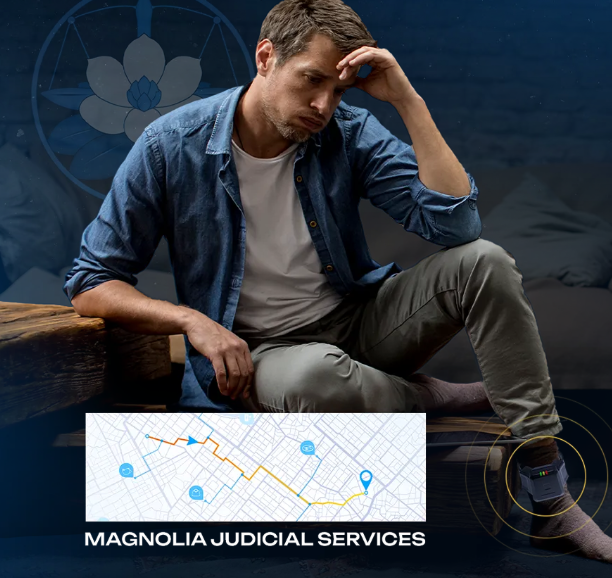
Probation gives eligible individuals an opportunity to remain in their communities while following conditions established by the court. Depending on the circumstances of a case, those conditions may include curfews, travel restrictions, stay-away orders, or other supervision requirements. GPS tracking for those on probation can help monitor compliance with these requirements while providing probation officers with reliable location information.
For courts, attorneys, probation officers, and individuals under supervision, GPS monitoring can provide a practical alternative to more restrictive forms of incarceration. Modern systems can collect location information, identify potential violations, and generate reports that help supervising agencies make informed decisions.
What Is GPS Tracking for Those on Probation?
Probation GPS tracking uses an electronic monitoring device to record an individual's location. Depending on the court's requirements, the device may be worn around the ankle or provided in another approved format.
GPS systems can be configured to monitor conditions such as:
- Curfew requirements
- Geographic restrictions
- Exclusion zones
- Approved travel routes
- Home detention requirements
- Movement around protected locations
- Potential device tampering
The specific conditions vary from case to case and are determined by the applicable court or supervising authority.
Magnolia Judicial Services provides GPS monitoring solutions designed for Louisiana courts, probation departments, attorneys, and individuals under court-ordered supervision. Its GPS monitoring services use real-time location technology and reporting tools to support supervision.
How Probation GPS Monitoring Works
The process generally begins after a court or supervising authority requires electronic monitoring. An appropriate device is selected, installed, and configured according to the individual's supervision conditions.
The GPS device collects location information and transmits data to a secure monitoring platform. Supervising personnel can then review location activity and receive alerts when predefined conditions may have been violated.
According to Magnolia Judicial Services, its GPS systems can provide real-time location data, movement history, alerts, and reporting for supervising agencies.
This technology creates a continuous source of information rather than relying exclusively on periodic check-ins.
Why Courts May Use GPS Monitoring During Probation
GPS monitoring can help balance two important objectives: accountability and community-based rehabilitation.
Instead of requiring every individual under supervision to remain incarcerated, a court may use electronic monitoring when appropriate to help enforce specific restrictions while allowing the person to continue living in the community.
For example, an individual may be permitted to:
- Go to work
- Attend school
- Participate in treatment
- Visit approved medical providers
- Care for family members
- Complete other authorized activities
At the same time, the monitoring system can help verify whether the person is complying with geographic or scheduling requirements.
This approach can provide greater structure while allowing eligible individuals to maintain important parts of their daily lives.
Common Types of Probation GPS Restrictions
GPS monitoring isn't necessarily the same as house arrest. The technology can be configured for different supervision requirements.
Curfew Monitoring
A court may require an individual to remain at an approved residence during specified hours. GPS technology can help identify movements during restricted periods.
Exclusion Zones
Some cases involve locations that an individual is prohibited from entering. These may include specific addresses, workplaces, schools, or other restricted areas established by the court.
Home Detention
In certain cases, GPS monitoring may support a home-detention requirement by helping authorities determine whether an individual remains within an approved geographic area.
Approved Travel
Some individuals on probation are permitted to travel for employment, medical appointments, treatment, or other approved activities. GPS data can help document movement associated with these requirements.
The exact restrictions depend on the court order and supervision plan.
What Happens When a GPS Alert Occurs?
GPS monitoring systems can generate alerts when certain events occur, including possible entry into restricted areas, curfew violations, or tampering.
An alert does not automatically mean that a person has committed a new offense. Monitoring personnel and supervising authorities must evaluate the circumstances and determine the appropriate response.
This distinction is important because technology can sometimes encounter issues involving connectivity, battery power, environmental conditions, or equipment operation. Prompt communication with the monitoring provider and probation officer can help resolve legitimate technical problems.
Magnolia Judicial Services states that its monitoring team provides support for troubleshooting devices and communicating with supervising agencies.
Following GPS Monitoring Requirements
For someone wearing a probation GPS device, understanding the monitoring rules is essential. Individuals should know exactly where they are permitted to go, when they must be home, and what procedures apply if the device needs charging, servicing, or replacement.
Good practices may include:
- Understand the court order. Know the applicable restrictions and approved activities.
- Keep the device charged when required. Follow the provider's charging instructions.
- Avoid tampering with the device. Do not attempt to remove, damage, or modify monitoring equipment.
- Report technical problems immediately. Contact the appropriate monitoring provider or supervising officer if an issue occurs.
- Maintain documentation. Keep records of approved travel, appointments, work schedules, or other relevant permissions.
- Ask before making changes. If circumstances require travel outside an approved area, obtain authorization when necessary.
Following these steps can make electronic monitoring more manageable and reduce avoidable compliance problems.
Choosing a Reliable GPS Monitoring Provider
The effectiveness of electronic monitoring depends not only on the device but also on installation, technical support, monitoring procedures, and reporting.
When evaluating a monitoring provider, courts and supervising agencies may consider:
- Real-time location capabilities
- Alert functionality
- Device reliability
- Tamper detection
- Reporting options
- Installation procedures
- Technical support
- Experience working with courts and probation departments
- Geographic coverage
Magnolia Judicial Services offers multiple monitoring options, including GPS ankle monitoring, and provides monitoring and support services throughout Louisiana.
Its device lineup also includes options such as the Omnilink OM500 and ShadoWatch, allowing monitoring solutions to be matched to different supervision requirements.
GPS Monitoring Can Support More Than Location Tracking
Electronic monitoring can also be part of a broader supervision strategy. Depending on the court order, GPS monitoring may be used alongside intervention programs, alcohol monitoring, or drug testing.
Magnolia Judicial Services offers court-related intervention programs that can be combined with monitoring when ordered or appropriate, providing additional structure around education, accountability, and rehabilitation.
This combination can give supervising professionals more information while helping individuals meet the conditions imposed by the court.
A Practical Tool for Accountability and Rehabilitation
GPS tracking for those on probation is designed to provide oversight without necessarily removing an individual from the community. By supplying location information, alerts, and reporting capabilities, electronic monitoring can help courts and probation officers verify compliance with established conditions.
For individuals under supervision, understanding the technology and following the requirements can be an important part of successfully completing probation.
If your case involves court-ordered GPS monitoring in Louisiana, working with an experienced monitoring provider can help ensure that installation, reporting, and technical support are handled properly.
Learn more about electronic monitoring and GPS solutions through Magnolia Judicial Services.