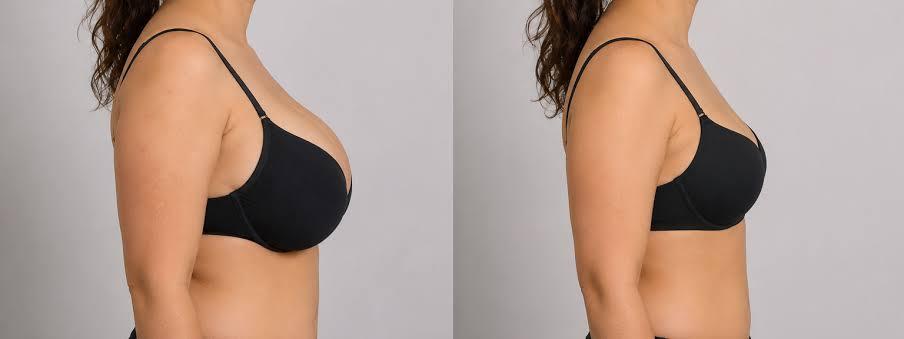
Breast reduction surgery, also known as reduction mammoplasty, is a cosmetic and reconstructive procedure designed to reduce excess breast tissue, fat, and skin while creating a breast size that is more proportionate to the body. For women experiencing physical discomfort or emotional concerns related to very large breasts, the procedure can provide both functional and aesthetic benefits.
Large breasts may contribute to neck, shoulder, and upper-back pain, skin irritation, difficulty exercising, and problems finding comfortable clothing. Breast reduction surgery aims to address these concerns by removing excess tissue and reshaping the remaining breast tissue to achieve a balanced appearance.
What Is Breast Reduction Surgery?
Breast reduction surgery involves removing excess breast fat, glandular tissue, and skin. The surgeon then reshapes the remaining tissue and repositions the nipple and areola to create a more natural breast contour.
The exact surgical technique depends on factors such as breast size, skin elasticity, the amount of tissue that needs to be removed, breast shape, and the patient's desired outcome.
Although breast reduction is often considered a cosmetic procedure, it can also have an important functional purpose. Women with very large breasts may experience persistent physical symptoms that interfere with work, exercise, sleep, and everyday activities.
Why Consider Breast Reduction Surgery?
People choose breast reduction surgery for different reasons. Some are primarily concerned about physical discomfort, while others want to improve body proportions or feel more comfortable with their appearance.
Common reasons for considering the procedure include:
- Chronic neck, shoulder, or upper-back discomfort
- Grooves caused by bra straps
- Skin irritation or rashes beneath the breasts
- Difficulty participating in physical activities
- Problems finding properly fitting clothing
- Feeling uncomfortable with breast size or shape
- Desire for better overall body proportions
Breast reduction can reduce the physical burden associated with very large breasts while also changing their shape and position.
Who May Be a Candidate?
A consultation with a qualified plastic surgeon is important before deciding whether breast reduction is appropriate. Generally, suitable candidates are healthy adults who have realistic expectations about what surgery can and cannot achieve.
A surgeon may consider factors including overall health, breast size and shape, skin quality, medical history, previous breast procedures, and future pregnancy plans.
Smoking can affect healing and increase the risk of complications, so patients who smoke may be advised to stop before and after surgery.
It is also important to discuss medications, allergies, previous surgeries, and any breast-related symptoms with the surgeon during the consultation.
How Is Breast Reduction Surgery Performed?
Breast reduction surgery is typically performed under general anesthesia. The procedure usually involves several key stages.
1. Incisions
The surgeon makes carefully planned incisions on the breast. The incision pattern depends on the amount of tissue being removed and the patient's anatomy.
Common patterns include a circular incision around the areola, a vertical incision extending downward from the areola, or an additional horizontal incision along the breast crease.
2. Removing Excess Tissue
Excess breast tissue, fat, and skin are removed to reduce the overall breast volume. The surgeon takes care to maintain appropriate blood supply to the remaining tissue.
3. Reshaping the Breast
The remaining breast tissue is reshaped to create a more balanced contour. The nipple and areola may be repositioned higher on the breast to achieve a natural appearance.
4. Closing the Incisions
Once the desired shape has been created, the incisions are closed with sutures. Dressings or a surgical support bra may be used to protect the breasts during the initial healing period.
The length of surgery varies depending on the complexity of the procedure and the amount of tissue being removed.
What Is Recovery Like?
Recovery after breast reduction surgery varies from person to person. Some patients can return home the same day, while others may require observation depending on their individual circumstances and the surgeon's recommendations.
Swelling, bruising, tightness, and mild-to-moderate discomfort are common during the early recovery period. Prescription or over-the-counter pain medication may be recommended to control discomfort.
Patients are generally advised to wear a supportive surgical or sports bra as directed by their surgeon. Strenuous exercise, heavy lifting, and activities that place pressure on the chest should usually be avoided during the initial healing period.
Most people gradually return to normal daily activities, but complete healing takes longer. Breast shape and scars can continue to change for several months after surgery.
Following the surgeon's postoperative instructions is important for supporting proper healing and reducing the risk of complications.
Breast Reduction Surgery Scars
Scarring is an unavoidable part of most breast reduction procedures because incisions are required to remove excess skin and tissue. The appearance of scars depends on the surgical technique, genetics, skin type, incision pattern, and individual healing.
Initially, scars may appear red, raised, or darker than the surrounding skin. They generally become less noticeable over time, although they do not completely disappear.
Your surgeon can explain the expected incision pattern and discuss options for scar care after surgery.
Benefits of Breast Reduction Surgery
Breast reduction surgery can offer both physical and aesthetic benefits when performed for an appropriate candidate.
Potential benefits include:
- Reduced strain on the neck, shoulders, and back
- Greater comfort during physical activities
- Reduced skin irritation beneath the breasts
- Improved clothing fit
- Better body proportions
- Improved breast shape and position
- Greater comfort in everyday activities
Some patients also report improved confidence after surgery. However, individual results vary, and surgery cannot guarantee a particular emotional or psychological outcome.
Possible Risks and Complications
As with any surgical procedure, breast reduction surgery carries potential risks. These should be discussed carefully with a qualified surgeon before treatment.
Possible complications include infection, bleeding, changes in nipple or breast sensation, asymmetry, delayed wound healing, visible scarring, and changes in breast shape.
In some cases, breastfeeding ability may be affected. Rarely, complications involving blood supply to the nipple or breast skin can occur.
Your surgeon will assess your individual risk factors and explain the benefits and limitations of the procedure during consultation.
Does Breast Reduction Affect Breastfeeding?
Breastfeeding after breast reduction surgery may still be possible, but the ability to breastfeed can be affected depending on the surgical technique and the amount and location of breast tissue removed.
Women who plan to have children or breastfeed in the future should discuss this with their surgeon before undergoing the procedure. Pregnancy and significant changes in breast volume can also alter the results of breast reduction surgery.
Maintaining Results After Surgery
Breast reduction can provide long-lasting changes, but breast size and shape naturally change over time. Aging, pregnancy, weight fluctuations, hormonal changes, and skin elasticity can influence the appearance of the breasts.
Maintaining a stable weight and following a healthy lifestyle may help preserve the results. However, future pregnancy or substantial weight changes may affect the surgical outcome.
Choosing a Breast Reduction Surgeon
Selecting a qualified and experienced plastic surgeon is one of the most important steps in the process. During your consultation, ask about the surgeon's qualifications, experience with breast reduction procedures, expected results, surgical technique, recovery timeline, and potential complications.
You should also understand where the procedure will be performed, what type of anesthesia will be used, and what postoperative support is available.
A good consultation should give you enough information to make an informed decision based on your individual anatomy, health, and goals.
Frequently Asked Questions
Is breast reduction surgery painful?
Some discomfort, tightness, swelling, and bruising are common after surgery. Pain management prescribed or recommended by the surgical team can help make the recovery period more comfortable.
How long do breast reduction results last?
Results can be long-lasting, but breasts naturally change with aging, pregnancy, weight fluctuations, and hormonal changes.
Can breast reduction improve back pain?
For some women with very large breasts, reducing breast volume may reduce the physical strain contributing to neck, shoulder, and upper-back discomfort. However, back pain can have many causes, so improvement cannot be guaranteed.
Will breast reduction leave scars?
Yes. Breast reduction requires incisions, so scars are expected. Their appearance usually changes and becomes less noticeable as healing progresses.
Final Thoughts
Breast reduction surgery can reduce excess breast volume while reshaping the breasts to create a more balanced appearance. For women affected by physical discomfort, activity limitations, or concerns about breast proportions, the procedure may provide meaningful improvements in comfort and quality of life.
However, breast reduction is still a surgical procedure with potential risks, recovery requirements, and limitations. A consultation with a qualified plastic surgeon is essential to determine whether the procedure is appropriate and to understand the expected results, surgical technique, scarring, and recovery process.
Before proceeding, discuss your medical history, future pregnancy plans, expectations, and concerns openly with your surgeon. An individualized assessment is the best way to determine the safest and most appropriate approach for your needs.