Understanding Tonsil and Bleaching Earth
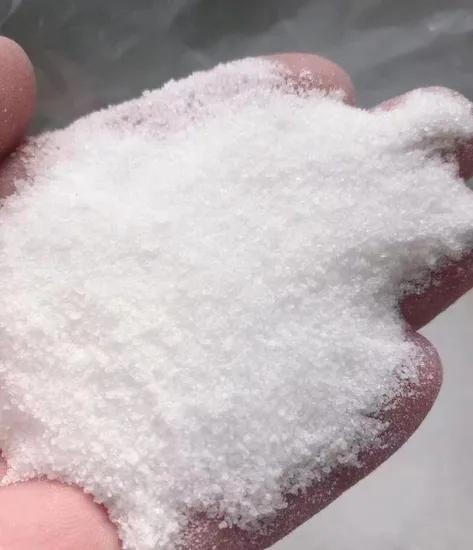
خاک تونسیل — Tonsil soil — is a brand-specific term that has become a generic descriptor in Persian-speaking markets for a class of acid-activated bleaching earths used in oil and fat purification. Originally the trademark of a German manufacturer, Tonsil has become synonymous in many regional markets with high-activity acid-activated bleaching clay. Understanding the properties and applications of Tonsil-type bleaching earths helps industrial buyers in the oil refining, petrochemical, and specialty purification sectors evaluate these materials effectively and make informed procurement decisions.
Origin and Production of Bleaching Clays
Bleaching clays are produced from naturally occurring smectite clay minerals, particularly montmorillonite and bentonite, through a controlled acid activation process. The raw clay is treated with sulfuric acid or hydrochloric acid, which dissolves soluble mineral components from the clay structure, increases the surface area and pore volume, and generates the surface acidity that characterizes activated bleaching earths. The degree of acid treatment determines the activity level of the finished product — more aggressive acid treatment produces higher-activity materials at the cost of reduced particle density and somewhat reduced filtration performance.
Performance in Vegetable Oil Bleaching
The primary performance criterion for Tonsil-type bleaching earths in vegetable oil applications is their efficiency at removing chlorophylls and other pigments that affect the color of refined edible oils. Vegetable oil buyers specify finished oil color using the Lovibond colorimeter scale, and the bleaching earth must reduce the oil color to the required specification using the minimum effective dosage. High-activity materials like Tonsil allow achieving the required color specification at lower dosage levels than less activated materials, reducing the total clay consumption and the oil loss that accompanies the spent clay removed from the process.
Palm Oil Refining Applications
Palm oil is one of the world's most widely consumed vegetable oils, and its refining is one of the most important applications for Tonsil-type bleaching earths. Crude palm oil contains high concentrations of beta-carotene and chlorophylls that give it its characteristic orange-red color. The bleaching step in palm oil refining must achieve significant color reduction to meet the specifications for refined, bleached, and deodorized palm oil used in food manufacturing. The selection of bleaching earth grade for palm oil processing must balance decolorization activity with selectivity — preferentially removing pigments while minimizing the adsorption of beneficial tocopherols and other minor components.
Specialty Applications in Industrial Processing
Beyond standard edible oil refining, Tonsil-type bleaching earths find applications in specialty oil processing including the bleaching of fish oils for omega-3 concentrate production, the purification of beeswax and other natural waxes for cosmetic applications, and the clarification of various chemical processing streams. Each specialty application requires specific evaluation of the bleaching earth grade to confirm adequate adsorption of the target impurities with acceptable selectivity, dosage efficiency, and filtration performance.
Selecting and Testing Bleaching Earth Performance
Industrial buyers selecting Tonsil-type bleaching earths for a specific application should conduct performance testing with the actual oil or material to be treated before finalizing supplier selection and grade. Standard performance tests include measurement of oil color before and after bleaching at a fixed clay dosage and temperature, measurement of filtration rate through standardized laboratory filtration tests, and analysis of oil quality parameters including peroxide value, free fatty acids, and tocopherol retention. These performance test results provide the objective comparison data needed to evaluate different bleaching earth products under conditions relevant to the buyer's specific process.
Supply and Procurement Considerations
The global market for bleaching earths includes products from numerous regional manufacturers in addition to the major international producers of Tonsil and equivalent branded products. Regional producers in various markets offer materials at competitive prices that may represent significant cost savings for buyers willing to qualify alternative sources through performance testing. Quality consistency across production batches is a critical evaluation criterion for bleaching earth suppliers, as inconsistent performance can disrupt oil refining operations and affect finished oil quality.