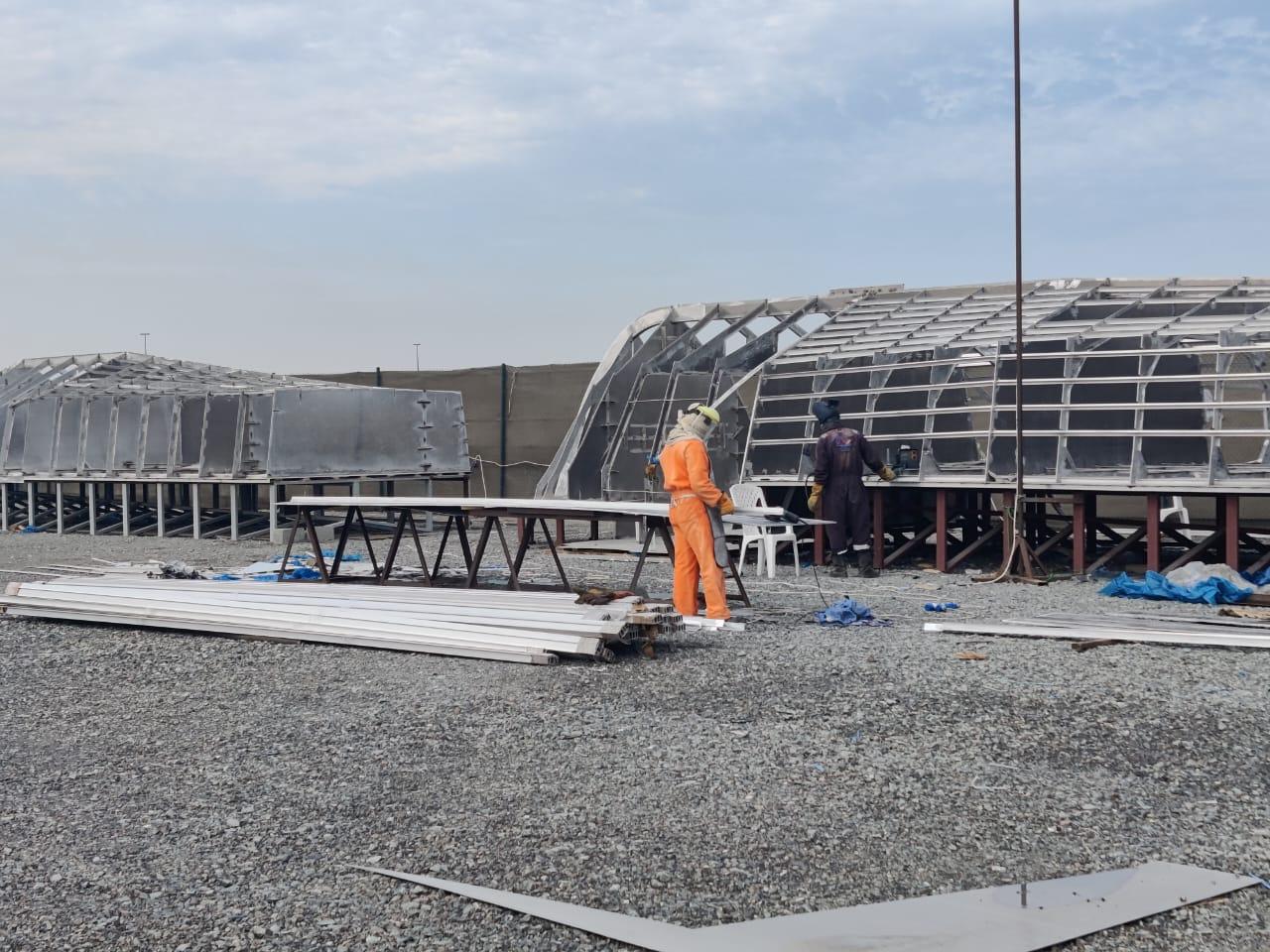
The marine industry is continuously developing as boat operators seek vessels that are durable, fuel-efficient, and suitable for different working conditions. Aluminium has become an important material in this process because it offers a combination of low weight, strength, and resistance to corrosion. Aluminium boat builders use modern engineering methods and specialised fabrication techniques to create vessels for commercial transportation, passenger services, patrol operations, fishing, and offshore activities.
Compared with traditional construction materials, aluminium provides several practical advantages. When used in a properly designed vessel, it can help reduce overall weight, improve performance, and provide greater flexibility in how the boat is used. These benefits make aluminium a valuable option for many modern marine applications.
Why More Boat Owners Choose Aluminium
One of the main reasons aluminium is widely used in boat construction is its low density. Aluminium has a density of approximately 2.7 g/cm³, whereas mild steel has a density of around 7.85 g/cm³. This difference allows designers to reduce structural weight when the vessel is engineered appropriately.
A lighter boat may require less energy to achieve a particular speed and can offer better acceleration. The available weight capacity can also be used for additional equipment, passengers, fuel, or cargo, depending on the vessel's design limits.
A World Bank maritime transport report has discussed aluminium hulls that can be around 30% lighter than comparable steel hulls in certain applications. Actual savings vary according to the hull structure, vessel dimensions, and operating requirements.
For businesses that operate boats regularly, these weight advantages can contribute to improved operating efficiency over time.
Strong Construction Through Proper Design
A lightweight material can still provide excellent structural performance when the right engineering principles are applied. Marine-grade aluminium alloys, including 5083 and 5086, are commonly used for marine structures because of their useful mechanical properties and corrosion resistance.
However, the strength of a boat depends on much more than the material selected. Engineers must calculate the appropriate hull thickness, frame arrangement, deck support, bulkhead positions, and reinforcement needed for expected operating loads.
Computer-aided design software helps engineers prepare detailed vessel models and evaluate different structural arrangements before manufacturing begins. This can improve accuracy, reduce unnecessary material use, and help identify potential design issues early.
Careful engineering ensures that the vessel can handle its intended working conditions while maintaining an appropriate balance between weight, strength, and performance.
Improving Speed and Operational Efficiency
A boat's weight influences how it moves through the water. Reducing unnecessary weight can help improve acceleration and may lower propulsion requirements under suitable operating conditions.
This is particularly useful for passenger boats, patrol craft, crew transfer vessels, and commercial workboats that need to travel frequently. Better performance can help operators complete journeys efficiently and meet demanding schedules.
Fuel savings, however, are not guaranteed simply because a vessel is made from aluminium. Hull shape, engine capacity, propeller selection, loading, weather, and operating speed all affect energy consumption.
The best results come when material selection is combined with an efficient hull design and an appropriate propulsion system.
Modern Techniques in Boat Manufacturing
Technology has made vessel manufacturing more accurate and organised. Today, aluminium boat building often involves digital modelling, computer-controlled cutting, precise measurements, and specialised welding procedures.
Three-dimensional models allow designers to examine the hull, internal compartments, machinery positions, and structural components before construction starts. This helps reduce design errors and makes it easier to coordinate different stages of production.
Computer-controlled cutting equipment produces components according to detailed measurements, improving their fit during assembly. Accurate fabrication can also reduce material waste and unnecessary rework.
Welding requires particular attention because aluminium reacts differently to heat than steel. Skilled welders must follow suitable procedures to maintain joint quality and control distortion. Inspection during and after fabrication helps confirm that the finished structure meets the required specifications.
Corrosion Protection and Regular Maintenance
Boats operate in challenging environments where saltwater, humidity, and changing weather conditions can affect structural materials. Aluminium naturally forms a thin oxide layer that helps protect its surface from further oxidation.
Marine-grade alloys can provide good corrosion resistance when the correct materials and construction methods are used. Nevertheless, aluminium is not entirely corrosion-proof.
Galvanic corrosion may develop when aluminium comes into contact with dissimilar metals in the presence of seawater. Proper insulation, compatible fittings, suitable fasteners, and appropriate electrical arrangements can help minimise this risk.
Regular maintenance remains essential. Boat operators should inspect welded joints, underwater fittings, electrical connections, and areas exposed to continuous moisture. Identifying small problems early can help prevent costly repairs and reduce unexpected downtime.
Safety and Stability on the Water
Safety must remain a priority throughout the design and construction process. Although aluminium can reduce a boat's weight, the vessel still needs to meet the structural and stability requirements associated with its intended use.
Naval architects consider the centre of gravity, passenger capacity, cargo distribution, fuel storage, machinery placement, and hull geometry when evaluating stability.
Watertight compartments, appropriate structural reinforcement, and properly designed emergency arrangements can also contribute to safer operation.
Reliable aluminium boats manufacturers understand that a successful vessel must do more than provide a lightweight structure. It must perform consistently, carry its intended load, and remain suitable for the conditions in which it will operate.
Sustainability and Long-Term Value
Environmental responsibility is becoming increasingly important in marine transportation. Lightweight vessels may require less propulsion energy in suitable operating conditions, potentially helping reduce fuel consumption and operational emissions.
Aluminium also offers the advantage of recyclability. Recovering aluminium at the end of a vessel's service life can reduce the need for newly extracted raw materials.
Long-term value also depends on maintenance costs, vessel reliability, repair requirements, and operational performance. A well-designed boat with appropriate maintenance can provide dependable service over many years.
As hybrid and electric propulsion systems develop, reducing vessel weight may become even more important because batteries can add considerable mass.
How VU Marine Supports Modern Marine Construction
VU Marine operates in the shipbuilding and marine services sector, with experience in marine construction and aluminium vessel-related solutions. Modern vessel projects require careful planning, appropriate material selection, precise fabrication, and consistent quality checks.
Every boat has different requirements. A passenger vessel may prioritise comfort and capacity, while a patrol boat may require speed and manoeuvrability. Commercial workboats may need a strong deck arrangement and sufficient space for equipment.
For a boat building company, understanding these operational needs is essential to developing a vessel that offers practical performance and long-term reliability.
Conclusion
Aluminium continues to be an important material in modern boat construction because of its low weight, useful strength, corrosion resistance, and recyclability. When supported by sound engineering and accurate manufacturing, it can help produce vessels suited to a wide range of marine activities.
The future of boat construction will depend on combining these material benefits with digital design, skilled welding, improved propulsion systems, proper inspection, and responsible maintenance.
As demand grows for efficient and dependable marine vessels, aluminium will continue to offer valuable opportunities for improving performance, managing operating costs, and supporting more sustainable marine transportation.