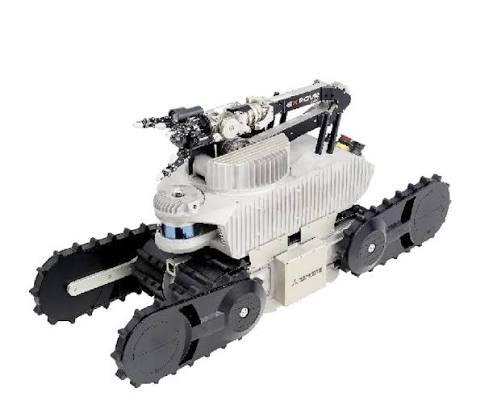
An ATEX Robot is designed for industrial environments where flammable gases, vapours, mists, or combustible dust may create potentially explosive atmospheres. In the United Kingdom, these specialised robotic systems can support automation in chemical manufacturing, oil and gas operations, pharmaceutical production, food processing, and other industries handling hazardous substances. Their protective features are intended to reduce the risk of ignition when the equipment operates within its approved conditions. Understanding hazardous-area classification, temperature limits, equipment protection levels, and applicable regulatory requirements is essential before selecting a suitable system. Businesses must also consider the complete robotic installation, including sensors, motors, cables, controllers, and attached tools. Regular inspections, competent maintenance, and proper installation help preserve the intended level of protection throughout the equipment's working life. An ATEX Robot can contribute to safer and more consistent industrial processes when its certification, technical specifications, and operating environment are carefully matched to the identified workplace hazards.
Introduction
An ATEX Robot is a specialised robotic system designed to operate in potentially explosive atmospheres where flammable gases, vapours, mists, or combustible dust may be present. In the United Kingdom, industries such as chemical processing, oil and gas, pharmaceuticals, food manufacturing, and industrial manufacturing may require equipment that can function safely in these challenging environments. Conventional robots can introduce ignition risks through electrical faults, excessive heat, sparks, or mechanical friction. ATEX-compliant robotic systems are developed to reduce these risks when used within their approved operating conditions.
The term ATEX comes from the French phrase Atmosphères Explosibles and refers to European requirements concerning equipment and protective systems intended for potentially explosive atmospheres. An ATEX Robot combines industrial automation with protection measures that help prevent equipment from becoming an ignition source.
What Is an ATEX Robot?
An ATEX Robot is an industrial robot designed, assessed, and certified for use in specified hazardous areas. Depending on its construction and intended application, it may include specially protected electrical components, temperature-controlled surfaces, sealed enclosures, and other safeguards.
These robots can perform repetitive and controlled operations in locations where explosive substances may be present. Their design must account for the type of hazardous material, the likelihood of an explosive atmosphere occurring, and the conditions under which the robot operates.
Not every robot suitable for industrial use is suitable for a hazardous area. The equipment must meet the applicable requirements for its intended zone, gas or dust group, temperature classification, and protection level.
Importance of ATEX Robots in the UK
The UK has several industrial sectors where combustible materials and flammable substances are handled regularly. Chemical plants, fuel storage facilities, pharmaceutical production units, and certain manufacturing environments may contain hazardous areas that require specialised equipment.
An ATEX Robot can help organisations automate tasks in these locations while reducing the need for personnel to enter potentially dangerous spaces. However, safe operation depends on correct equipment selection, installation, maintenance, and risk assessment.
In the UK, the Dangerous Substances and Explosive Atmospheres Regulations 2002 (DSEAR) establish important requirements for assessing and controlling risks associated with dangerous substances and explosive atmospheres. Equipment selection must reflect the workplace's identified hazards and applicable legal obligations.
Key Features of an ATEX Robot
1. Explosion Protection
Explosion protection is a central feature of an ATEX Robot. Depending on its protection concept, the robot may incorporate equipment enclosures, restricted energy levels, or other engineering measures intended to prevent ignition.
The specific protection method must be suitable for the substances and hazardous zones in which the robot will operate.
2. Temperature Control
Excessive surface temperatures can ignite certain gases, vapours, or combustible dust. ATEX-rated equipment therefore has temperature limitations appropriate to its certified application.
An ATEX Robot must remain within its specified temperature limits during normal operation and relevant assessed fault conditions.
3. Protected Electrical Components
Electrical equipment can create ignition sources through sparks, arcs, overheating, or component failure. Hazardous-area robotic systems may use protected motors, sensors, connectors, and control components designed for their intended environment.
The protection requirements depend on the robot's complete configuration, not simply on one individual component.
4. Industrial Durability
Industrial robots may work in environments involving vibration, dust, humidity, chemicals, or continuous production demands. Appropriate mechanical protection and environmental ratings can help the system withstand these conditions.
Durability does not automatically establish explosion protection, so each requirement must be assessed separately.
Applications of ATEX Robots
Chemical and Pharmaceutical Manufacturing
Chemical and pharmaceutical facilities may handle solvents, flammable liquids, powders, and other substances capable of creating explosive atmospheres. An ATEX Robot may perform material handling, controlled transfer, inspection, or repetitive production tasks where the equipment is approved for the specific hazard.
Oil and Gas Operations
Fuel processing, storage, and handling areas can contain flammable gases or vapours. Suitable robotic systems may assist with inspection, material movement, and selected operational activities, provided that the entire installation meets the relevant hazardous-area requirements.
Food and Agricultural Processing
Certain food-processing facilities generate combustible dust from flour, grain, sugar, and other powdered materials. In classified areas, dust-suitable robotic equipment may support packaging, handling, and cleaning-related processes.
Industrial Manufacturing
Manufacturing environments involving flammable coatings, solvents, or combustible powders may require explosion-protected automation. Robots can support repetitive tasks while helping reduce direct worker exposure to hazardous processes.
Understanding Hazardous Area Classification
Before selecting an ATEX Robot, a facility needs to identify and classify areas where explosive atmospheres may occur.
For gas and vapour hazards, Zone 0 indicates an explosive atmosphere that is present continuously, frequently, or for long periods. Zone 1 covers locations where it is likely to occur occasionally during normal operation, while Zone 2 covers locations where it is unlikely during normal operation and, if it occurs, will persist only briefly.
For combustible dust, Zones 20, 21, and 22 represent corresponding categories of frequency and duration.
The robot's certification and equipment protection level must be appropriate for the classified zone. A system approved for one zone must not automatically be assumed suitable for another.
Selecting and Maintaining an ATEX Robot
Selecting an ATEX Robot requires consideration of the hazardous substance, area classification, operating temperature, environmental conditions, payload, reach, and intended task. The assessment should cover the robot, end-of-arm tooling, sensors, cables, controllers, and associated equipment that may introduce ignition risks.
Documentation should confirm the permitted operating conditions and relevant conformity or certification details. In the UK, applicable requirements may include the UK regulatory framework for equipment used in explosive atmospheres, alongside relevant standards and certification arrangements.
Regular inspections and maintenance are essential. Damaged seals, unauthorised modifications, worn components, and incorrect replacement parts can compromise protection. Maintenance should follow the manufacturer's instructions and be completed by appropriately competent personnel.
Conclusion
An ATEX Robot supports industrial automation in UK workplaces where explosive atmospheres may occur. Its suitability depends on appropriate protection measures, hazardous-area classification, correct installation, and continued maintenance. By assessing operational needs alongside safety and regulatory requirements, organisations can determine whether an ATEX-compliant robotic system is appropriate for a particular industrial application.