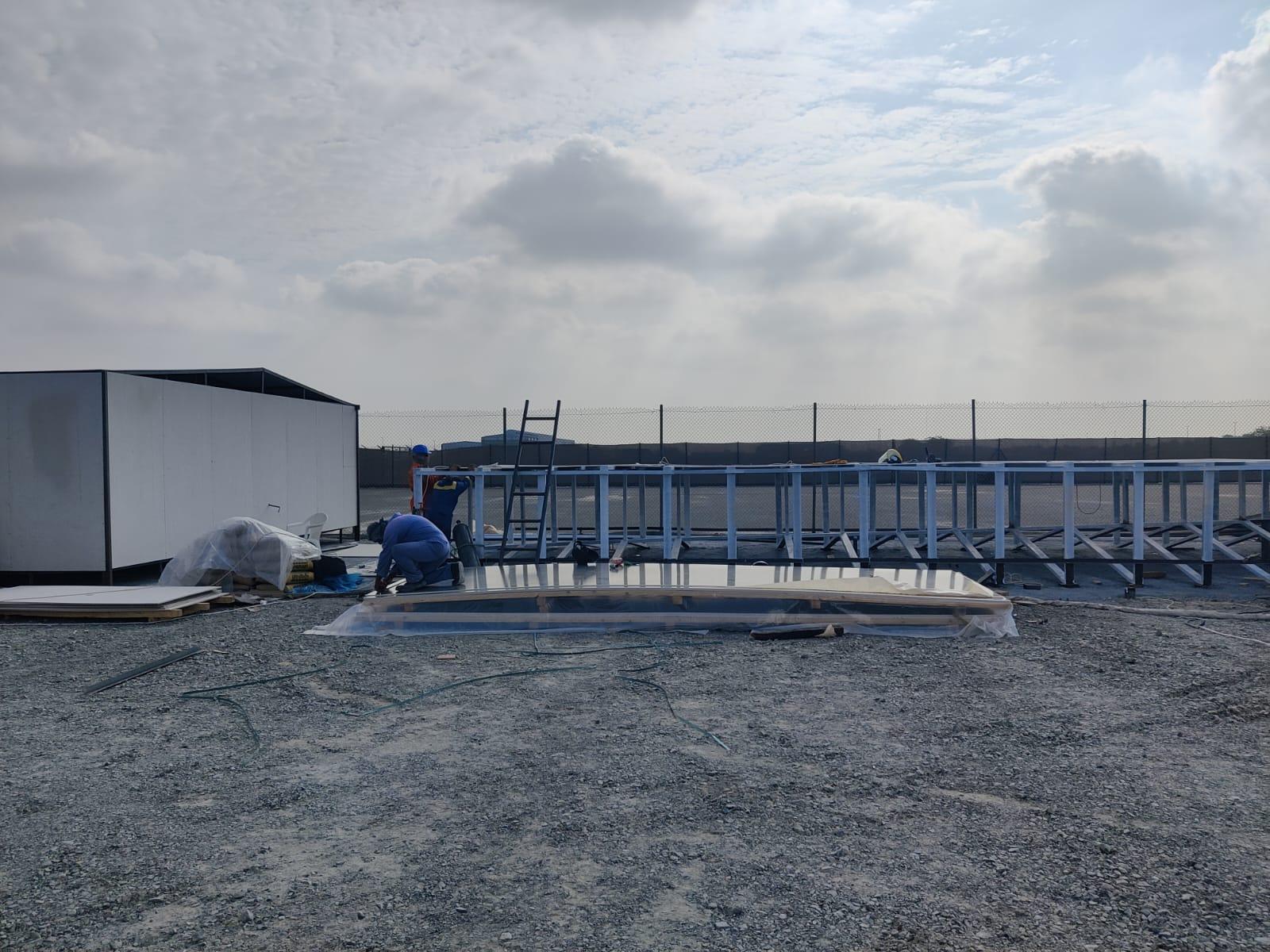
Sustainable engineering is becoming an important part of modern marine construction. Commercial barges play a valuable role in transporting construction materials, supporting offshore activities, carrying heavy equipment, and assisting port operations. A reliable barge building company focuses on developing vessels that combine structural strength, operational efficiency, durability, and environmental responsibility. As marine industries continue to evolve, sustainable construction methods are helping vessel owners reduce waste, improve performance, and manage long-term operating costs.
Modern barge construction involves much more than assembling metal plates and structural components. It requires careful planning, material selection, hull design, safety assessments, and quality control. VU Marine recognizes the importance of practical engineering solutions that support commercial and industrial marine projects while considering long-term vessel performance.
Understanding Sustainable Engineering in Barge Construction
Sustainable engineering aims to reduce environmental impact while maintaining safety, reliability, and economic value. In barge construction, this approach begins with understanding the vessel's intended purpose, cargo capacity, operating environment, and expected service life.
For example, a barge designed to transport construction materials may require a different structural arrangement from one used for offshore support or heavy industrial operations. Engineers must consider water depth, loading conditions, stability, weather exposure, and structural strength before finalizing the design.
The International Maritime Organization's Fourth Greenhouse Gas Study reported that total shipping emissions reached approximately 1,076 million tonnes of carbon dioxide equivalent in 2018. This represented a 9.6% increase compared with 2012. These figures demonstrate why improving energy efficiency and reducing emissions remain important priorities for the maritime sector.
Although different types of barges have different operating requirements, efficient design and responsible construction practices can help improve their overall environmental performance.
The Growing Demand for Advanced Barge Construction in the UAE
The UAE has an important position in international maritime trade because of its ports, industrial facilities, offshore activities, and coastal infrastructure. Commercial marine projects require dependable vessels that can handle demanding workloads and operate under challenging environmental conditions.
Experienced barge builders in UAE need to consider regional operating conditions, including high temperatures, saltwater exposure, and the possibility of corrosion. These factors influence material selection, protective coatings, structural design, and maintenance planning.
Barges are used for transporting aggregates, machinery, construction supplies, and other heavy materials. They can also support dredging, offshore development, and infrastructure projects. The design must therefore match the intended workload rather than rely on a standard arrangement for every application.
Good project planning helps ensure that the vessel's dimensions, deck strength, cargo capacity, and stability meet operational requirements. When these factors are considered early, construction teams can reduce avoidable modifications and improve project efficiency.
Selecting Sustainable Materials for Marine Vessels
Material selection has a direct effect on a barge's strength, durability, weight, maintenance needs, and lifecycle cost. Marine-grade steel is widely used in heavy-duty barge construction because of its structural strength and suitability for demanding cargo operations.
Aluminium is another option for certain marine applications. It offers a lower density than steel, which can be beneficial when weight reduction is an important design objective. However, the right material depends on the required load capacity, vessel dimensions, operating conditions, and project budget.
Modern aluminium barge manufacturers must consider the complete engineering requirements before selecting aluminium for a vessel. Its suitability should be evaluated alongside structural strength, fabrication methods, corrosion protection, and expected service life.
Sustainable material management also includes accurate cutting plans, efficient plate usage, proper storage, and recycling suitable metal offcuts. These measures reduce material waste and help control construction expenses.
The environmental value of a material should be assessed across its lifecycle, including production, fabrication, maintenance, and eventual recycling. Choosing materials that match the vessel's intended use can support long-term performance without unnecessary resource consumption.
Improving Efficiency Through Better Hull Design
Hull design plays a significant role in determining how a vessel interacts with water. The shape and dimensions of a barge affect buoyancy, stability, resistance, and cargo-carrying capability.
For powered vessels, reducing unnecessary resistance can help lower propulsion energy requirements. Engineers must also consider loading conditions, water depth, operating speed, and the type of work the barge will perform.
For barges that are towed or pushed by another vessel, efficiency must be evaluated across the entire transportation arrangement. The resistance of the barge, towing configuration, route, and cargo distribution can all influence the energy required for a journey.
Accurate loading is equally important. Overloading can create serious safety concerns, while uneven cargo distribution may affect stability and performance. Clearly defined loading limits and suitable operational procedures help protect the vessel, crew, and surrounding environment.
Aluminium Construction and Modern Fabrication Methods
Material innovation continues to influence the design of specialized marine vessels. Aluminum barge builders may use advanced design software, accurate cutting systems, and controlled fabrication processes to improve construction consistency.
Computer-aided design allows engineers to prepare detailed drawings and review structural arrangements before fabrication begins. Three-dimensional modelling can help identify design conflicts, improve equipment placement, and reduce the need for costly modifications during construction.
Welding procedures and inspection requirements must be selected according to the material, structural design, and applicable standards. Aluminium and steel require different fabrication considerations, so trained personnel and appropriate quality-control procedures are essential.
Modern fabrication facilities can also improve resource efficiency through better production planning, controlled material handling, and the separation of recyclable scrap. These practices help reduce waste while supporting consistent construction quality.
However, advanced equipment alone cannot guarantee a successful project. Engineering expertise, suitable materials, experienced fabrication teams, and systematic inspections remain essential to producing a dependable marine vessel.
Reducing Environmental Impact During Construction
Sustainable barge construction begins before the vessel enters the water. Manufacturing activities may generate metal scrap, coating waste, dust, wastewater, and other materials that require appropriate management.
Construction facilities can reduce waste by planning material requirements accurately, reusing suitable offcuts, and recycling recoverable metals. Responsible disposal procedures are particularly important for hazardous substances and used protective coatings.
Energy efficiency in the fabrication process is another consideration. Well-maintained machinery, efficient production schedules, and improved energy management can help reduce unnecessary electricity consumption.
Marine coatings protect vessel structures against corrosion, but their application requires suitable controls. Proper storage, controlled application areas, adequate ventilation, and safe waste collection help reduce environmental risks.
These measures demonstrate that sustainability is not limited to the finished vessel. It also includes the resources, energy, and materials used throughout the manufacturing process.
Safety, Stability, and Structural Reliability
Safety remains a fundamental requirement in every commercial marine project. Barges frequently carry heavy cargo or support industrial activities, so their structures must be designed for the intended loads and operating conditions.
Engineers evaluate buoyancy, freeboard, stability, deck strength, structural stresses, and compartment arrangements. Depending on the vessel's purpose, additional considerations may include equipment foundations, towing connections, cargo-handling systems, and access arrangements.
Quality inspections should take place throughout construction. Welds, structural connections, coatings, and critical components must be examined according to the approved design and relevant inspection procedures.
Applicable maritime regulations, statutory requirements, and classification standards must also be considered where required. Thorough documentation helps demonstrate that the vessel has been constructed and inspected according to the relevant specifications.
VU Marine emphasizes the importance of engineering quality, careful project planning, and reliable construction practices in supporting commercial marine operations.
Lifecycle Cost and Preventive Maintenance
The cost of a barge extends beyond its initial construction price. Owners must also account for inspections, repairs, corrosion protection, equipment servicing, and operational downtime.
A lifecycle approach considers these expenses from the beginning of the project. Investing in appropriate materials, accessible equipment arrangements, and effective protective coatings may help reduce future maintenance requirements.
Regular inspections are particularly important in marine environments because moisture, saltwater, heavy loading, and repeated use can gradually damage vessel structures. Early detection of corrosion, cracks, coating deterioration, or equipment problems can prevent more serious failures.
Preventive maintenance schedules should reflect the vessel's design, operating conditions, usage, and manufacturer recommendations. Accurate maintenance records also help operators identify recurring problems and plan repairs more effectively.
At the end of a vessel's working life, responsible dismantling and material recovery can further reduce waste. Designing for repairability and recycling makes it easier to recover valuable materials.
The Future of Sustainable Commercial Barge Projects
The future of commercial barge construction will depend on balancing performance, safety, environmental responsibility, and cost efficiency. Improvements in hull design, fabrication accuracy, digital engineering, corrosion protection, and maintenance planning can help deliver more reliable vessels.
Alternative energy systems and lower-carbon fuels may also become suitable for selected powered marine applications as technology and infrastructure develop. Their practicality depends on operating range, power requirements, fuel availability, safety, and lifecycle costs.
The United Nations Trade and Development report Review of Maritime Transport 2024 highlights that more than 80% of world trade by volume is carried by sea. This demonstrates the importance of dependable maritime transportation and continued improvements in vessel efficiency.
For commercial barge projects, sustainable progress comes from practical decisions made throughout the vessel's lifecycle, from initial planning and material selection to construction, operation, maintenance, and eventual recycling.
Conclusion
Sustainable engineering is an essential consideration in modern commercial barge construction. Efficient hull design, durable materials, responsible fabrication, improved energy performance, and preventive maintenance can help reduce waste while supporting safe and dependable marine operations.
For project owners, the most effective approach is to evaluate both immediate construction requirements and long-term operating costs. A properly designed and maintained barge can provide lasting commercial value when its structure, materials, and equipment match its intended workload.
VU Marine supports the wider goal of reliable marine engineering through a focus on practical design considerations, construction quality, and long-term vessel performance. As maritime requirements continue to evolve, sustainable engineering will remain an important foundation for commercial marine projects that aim to combine durability, operational efficiency, and environmental responsibility.