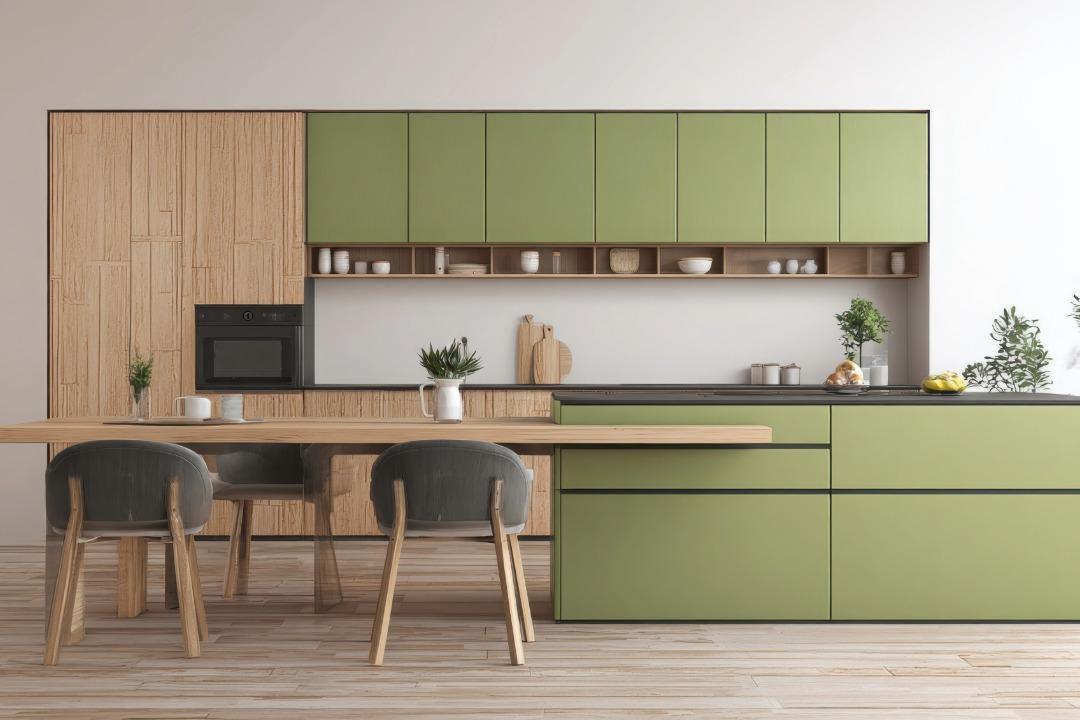
The best modular kitchen combines attractive design, efficient storage, durable materials, and convenient everyday functionality. A thoughtfully planned kitchen makes cooking easier while keeping utensils, groceries, and appliances organized. Whether you have a compact apartment or a spacious family home, the right combination of cabinets, countertops, finishes, and accessories can create a kitchen that suits your lifestyle and interior preferences.
Choosing the right kitchen requires careful consideration of layout, materials, budget, and installation quality. Is a Modular Kitchen Worth the Investment? (Complete Analysis) is a useful reference for understanding the practical advantages of modular kitchens, their long-term value, and the factors to evaluate before making a purchase.
Choose the Right Modular Kitchen Layout
The layout is one of the most important elements of a successful kitchen design. It determines how efficiently you can move between cooking, cleaning, food preparation, and storage areas.
-
L-shaped kitchen: Uses two adjoining walls and suits many modern homes.
-
U-shaped kitchen: Provides extensive counter space and storage when sufficient room is available.
-
Parallel kitchen: Places work areas along opposite walls and works well in suitable narrow spaces.
-
Straight kitchen: Arranges cabinets along one wall, making it useful for compact apartments.
-
Island kitchen: Adds a separate preparation or serving area in larger kitchens.
The best layout depends on the room's dimensions, available clearance, appliance positions, and household cooking habits.
Select Durable Cabinet Materials
Quality cabinet materials contribute to the durability, appearance, and maintenance of a modular kitchen. Common options include plywood, MDF, HDHMR boards, and particleboard, with suitability depending on the intended application and product specifications.
Surface finishes can include laminates, acrylic, PU paint, and veneer. Laminates offer a wide range of colours and textures, acrylic provides a reflective appearance, and veneer introduces natural wood-like character.
For areas exposed to moisture, pay particular attention to material suitability, edge sealing, and installation quality. Ask the supplier to specify board thickness, finish type, hardware, and warranty conditions before finalizing the design.
Invest in Smart Storage Solutions
The best modular kitchen makes everyday essentials easy to access while reducing clutter. Storage should be planned according to the household's cooking routine and the available cabinet space.
Useful features include deep drawers for cookware, pull-out baskets for groceries, tall pantry cabinets, corner storage mechanisms, cutlery organizers, and dedicated appliance compartments.
Wall-mounted cabinets help use vertical space, while adjustable shelves provide flexibility for items of different sizes. Selecting accessories according to actual needs helps improve functionality without unnecessarily increasing the budget.
Choose Colours and Finishes Carefully
Kitchen colours influence the overall appearance of the interior. White, cream, beige, and light grey can create a bright and open feeling, while darker shades add contrast and sophistication.
Matte finishes offer a subtle contemporary look, glossy surfaces reflect light, and wood-grain finishes introduce warmth. Two-tone cabinetry can also create visual interest without overwhelming the space.
Coordinate cabinet finishes with countertops, backsplash materials, flooring, and lighting to achieve a balanced design. Reviewing physical samples before ordering helps ensure that the chosen colours work well together.
Select Practical Countertops and Accessories
A good kitchen needs a countertop that suits everyday cooking and maintenance requirements. Granite, quartz, and other suitable countertop materials can be evaluated according to durability, appearance, maintenance, and budget.
Accessories such as soft-close hinges, smooth-running drawer channels, bottle pull-outs, spice racks, and integrated waste bins can improve convenience. Under-cabinet lighting can make food preparation easier by illuminating work surfaces.
Prioritize accessories that solve genuine storage or usability problems instead of choosing features solely for appearance.
Plan Your Kitchen Budget
The cost of a modular kitchen depends on its dimensions, layout, cabinet materials, finishes, hardware, accessories, countertop, and installation requirements.
Before choosing a supplier, request an itemized quotation that includes cabinet units, material specifications, accessories, delivery, installation, and any additional plumbing or electrical work. Compare quotations using similar specifications to understand the actual value offered.
A practical budget should prioritize durable cabinet construction, reliable hardware, and professional installation before adding optional premium features.
How to Choose the Best Modular Kitchen Supplier
A reliable supplier should offer accurate measurements, clear design drawings, suitable material options, transparent pricing, and professional installation.
Review completed projects, inspect finish samples, and confirm the expected delivery schedule. Ask about warranty coverage, after-sales support, and the process for resolving installation issues.
It is also important to verify that cabinet dimensions accommodate appliances, plumbing points, electrical connections, and adequate movement space. Careful planning before manufacturing helps minimize avoidable modifications.
Conclusion
The best modular kitchen is one that balances design, durability, storage, and affordability. By selecting an appropriate layout, suitable cabinet materials, practical accessories, and coordinated finishes, homeowners can create a kitchen that supports everyday activities and complements their home.
Compare suppliers carefully, review detailed specifications, and prioritize workmanship and installation quality. With thoughtful planning, a modular kitchen can become a functional, organized, and attractive part of modern living.