Moving slurry that contains large solids is a fundamentally different challenge from pumping fine tailings or clean water. Oversized particles create blockage risks, demand generous internal clearances, and punish any weakness in hydraulic design. In industries like dredging, aggregate processing, and mineral extraction, the efficiency of a large-solids slurry system directly affects throughput, energy costs, and maintenance budgets. CNSME pump gravel pumps have been developed specifically around these realities, and their design choices reflect a deep understanding of how coarse material behaves inside a pump. This article examines the ways in which these pumps raise efficiency in large-solids slurry handling and what that means for operators on the ground.
Why Large Solids Demand a Different Pump Philosophy
Conventional slurry pumps are often optimized for fine particles, prioritizing smooth hydraulic passages and tight clearances. Large solids turn that philosophy upside down. A stone that cannot pass through the impeller eye will stall the pump, damage the rotor, or force an emergency shutdown. Particles that pass but scrape along narrow passages cause accelerated wear and disturb the flow pattern. The pump must therefore balance two competing demands: passages wide enough to swallow the largest expected solids, and hydraulic shapes efficient enough to move dense mixtures without wasting power. CNSME pump gravel pumps resolve this tension through deliberate geometry, giving coarse material a clear path while retaining the flow characteristics needed for economical operation.
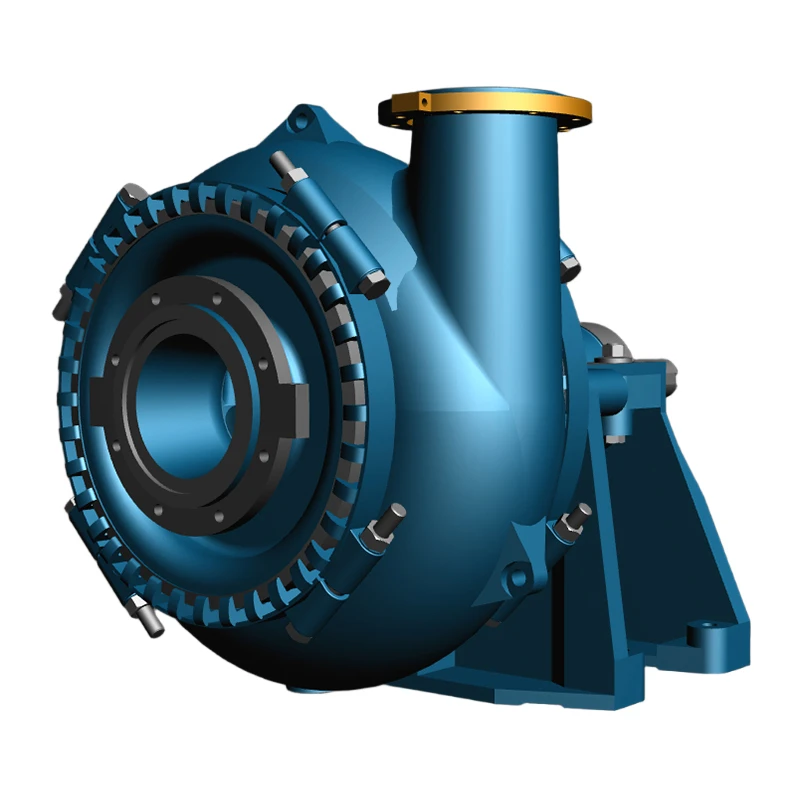
Wide Internal Passages Keep Coarse Material Moving
The most visible efficiency gain comes from the generous internal clearances in the impeller and volute. By allowing large solids to travel through the pump without bridging or jamming, these passages eliminate the frequent interruptions that plague pumps with tighter designs. Every avoided blockage represents saved time, avoided labor, and reduced wear from operators trying to clear a stalled machine. The smooth contours of the flow path also reduce the turbulence that causes particles to tumble and impact surfaces at damaging angles. Instead, solids are guided through with less energy loss and less attrition against the casing. The result is a pump that keeps the pipeline moving consistently, which is the foundation of any efficient slurry transport system.
Hydraulic Design That Preserves Flow and Pressure
Efficiency in slurry handling is not only about avoiding blockages; it is also about delivering the required flow at the required head with minimal wasted energy. CNSME pump gravel pumps use impeller and volute profiles developed to maintain strong hydraulic performance even when the slurry carries a heavy solids load. The pumps hold their duty point across a range of densities, which means the system does not need constant adjustment as the feed changes. Stable pressure at the discharge supports a steady pipeline velocity, and that velocity is what keeps coarse particles suspended rather than settling and forming dunes in the line. When flow remains consistent, the entire transport chain, from suction to deposit, operates closer to its design efficiency.
Wear-Resistant Materials That Hold Efficiency Over Time
A pump's efficiency at commissioning is one thing; its efficiency after months of abrasive service is another. As wear parts erode, clearances open up, recirculation increases, and the pump gradually loses performance. CNSME pump gravel pumps counter this decline through high-chrome alloy wear components that resist abrasion far longer than standard materials. The extended wear life means the pump's internal geometry stays closer to its design shape for more of its service interval, so flow and head remain near specification between rebuilds. Operators benefit from a flatter efficiency curve over time, which makes production planning more predictable and reduces the cost of pumping each ton of material. Durable wear parts are therefore not just a maintenance convenience but a direct contributor to sustained efficiency.
Less Downtime Means Higher Overall System Throughput
Efficiency in a production sense is measured in tons moved per operating hour, and downtime destroys that figure. A pump that blocks, fails, or requires frequent rebuilds drags the whole operation down. CNSME pump gravel pumps reduce unplanned stops through their blockage-resistant design and robust bearing and shaft assemblies. When maintenance is needed, accessible wear parts allow fast replacement so the pump returns to service quickly. The cumulative effect is a higher percentage of scheduled production hours actually achieved. In large-solids applications where stoppages are common with lesser equipment, this reliability advantage can account for a substantial share of the system's annual throughput, making the pump's contribution to efficiency far greater than its hydraulic performance alone.
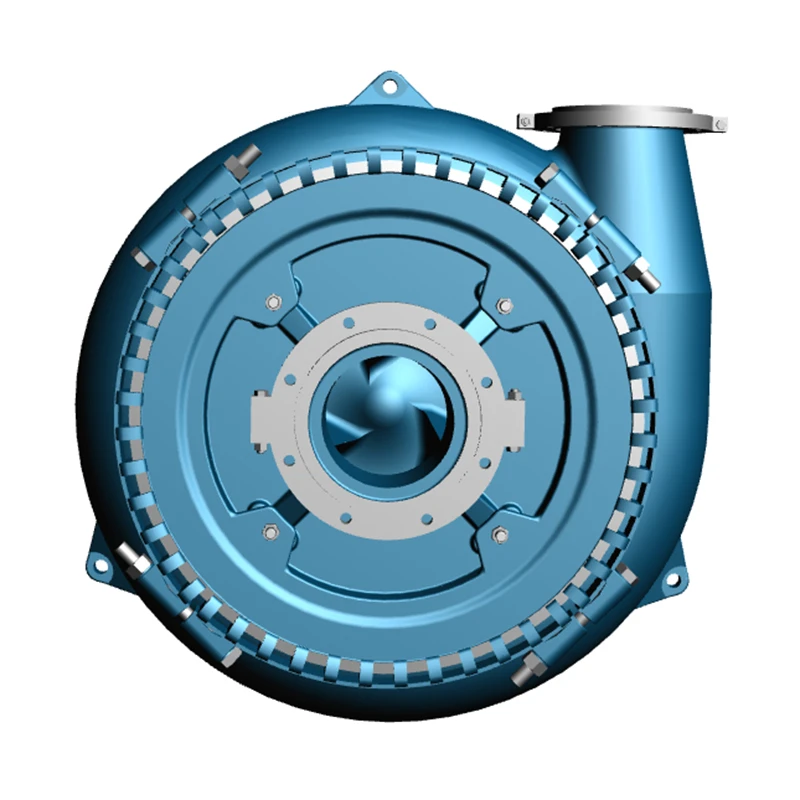
Matching the Pump to the Duty for Best Results
Even the best-designed pump delivers its full potential only when it is correctly matched to the application. CNSME pump works with customers to understand the expected solids size, slurry density, pipeline length, and elevation profile before recommending a model. This application-focused selection ensures the pump operates near its best efficiency point rather than being pushed outside its comfortable range. Correct sizing also protects the pump from the excessive recirculation and cavitation that occur when a unit is too large or too small for its duty. By treating pump selection as an engineering exercise rather than a catalog lookup, CNSME pump helps operators capture the efficiency gains its equipment is capable of delivering.
Conclusion
Improving efficiency in large-solids slurry handling requires more than brute force; it demands a pump designed around the behavior of coarse particles. CNSME pump gravel pumps deliver that through wide passages, stable hydraulics, durable wear materials, and reduced downtime, all supported by careful application engineering. For operators who measure success in throughput and cost per ton, these characteristics add up to a meaningful advantage. When large solids are part of the job, choosing equipment built for the challenge is the surest route to efficient, uninterrupted production.