Mining operations place extraordinary demands on pumping equipment, pushing slurry pumps to their limits with abrasive ore slurries, tailings, and dense process fluids. When a pump fails prematurely, the consequences ripple through the entire operation, from halted production to expensive emergency repairs. Selecting the right wear-resistant parts from the outset is one of the most consequential decisions a maintenance or procurement team can make. This guide walks through the key considerations that help mining operators match CNSME slurry pump parts components to their specific duty conditions, ensuring reliable performance and maximum service life.
Assessing Your Slurry Characteristics Before Selecting Parts
The foundation of any sound parts selection begins with a thorough understanding of the slurry itself. Particle size, shape, concentration, and hardness all influence how aggressively the mixture attacks pump components. Sharp, angular particles erode metal differently than rounded ones, while higher solids concentration accelerates wear across every wetted surface. Operators should gather data on the actual site conditions rather than relying on nominal specifications, since real-world slurries often differ from design assumptions. Understanding pH levels and chemical composition matters equally, as corrosive elements can compound mechanical wear and shorten part life dramatically.

Matching Material Composition to Duty Conditions
Once slurry characteristics are clear, the next step involves selecting materials that suit those conditions. CNSME offers a range of wear-resistant alloys and elastomer options, each suited to particular applications. High-chrome alloys excel in coarse, highly abrasive duties where impact resistance is critical, while natural rubber liners perform well with fine particles in less chemically aggressive environments. The mistake many operations make is defaulting to a single material for all pumps on site, when a more tailored approach yields better results and lower long-term costs. Consulting with CNSME technical specialists about specific duty conditions helps narrow the options and avoid costly mismatches.
Evaluating Impeller and Volute Options for Your Duty
The impeller and volute liner form the heart of the wear equation, bearing the brunt of abrasive attack. When choosing these components, consider the trade-off between hydraulic efficiency and wear life. Impellers with thicker vanes and reinforced wear surfaces last longer in harsh duties, though they may sacrifice some efficiency compared to more open designs. Volute liners come in various thicknesses and material grades, and selecting the appropriate combination for your particle size distribution prevents premature breakthrough. Reviewing historical wear patterns from similar mining applications provides valuable guidance when making these choices.
Considering Operating Parameters and Installation Factors
Parts selection does not happen in isolation from how the pump actually runs. Flow rate, head requirements, rotational speed, and the presence of frequent stop-start cycles all affect wear rates and part suitability. Running a pump far from its best efficiency point accelerates wear on both impeller and casing, so parts choices should align with realistic operating conditions. Installation factors matter too, including available space for maintenance access, the weight of replacement components, and whether the site has the lifting equipment needed for heavier wear parts.
Balancing Cost Against Total Lifecycle Value
Procurement decisions driven purely by upfront price often prove expensive over time. A lower-cost part that fails in half the expected life costs more in labor, downtime, and production losses than a premium component that delivers full service. When evaluating CNSME wear parts, compare suppliers on total lifecycle cost, factoring in replacement frequency, downtime hours, and the labor burden of each changeout. Genuine CNSME parts provide predictable wear rates and dimensional consistency, which simplifies planning and reduces the risk of unexpected failures mid-campaign.
Sourcing Genuine Parts and Verifying Compatibility
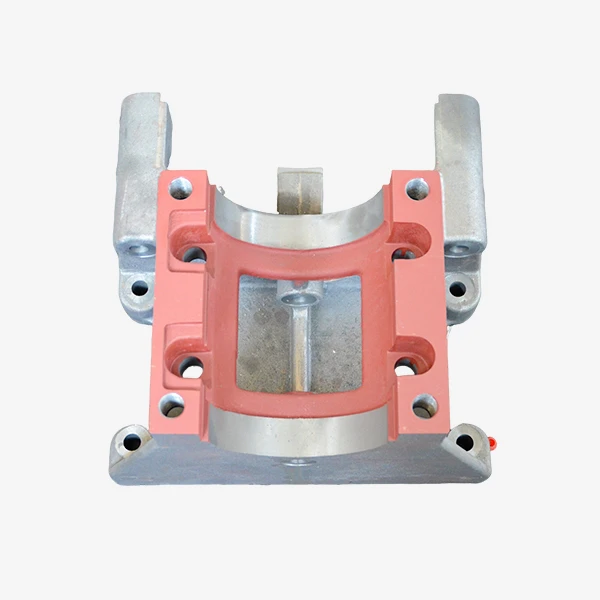
The mining market contains plenty of aftermarket alternatives, but quality varies widely. Counterfeit or poorly manufactured parts may fit initially yet wear unevenly or fail catastrophically under load. Purchasing through authorized CNSME channels ensures material integrity, correct heat treatment, and dimensional accuracy. Verify part numbers against the pump's serial documentation, and confirm that any substitution has been approved for your specific model and duty. Maintaining traceability of parts sources also helps when investigating unusual wear or performance issues later.
Planning Spare Parts Inventory Strategically
Finally, even the best-chosen parts require thoughtful inventory management. Mining operations should stock critical wear components based on observed consumption rates and lead times, ensuring replacements are on hand before failures occur. CNSME's technical team can assist with establishing recommended stocking levels tailored to each pump's duty. A well-planned inventory, paired with the selection principles outlined above, keeps pumps running through the toughest mining conditions and protects both productivity and maintenance budgets.