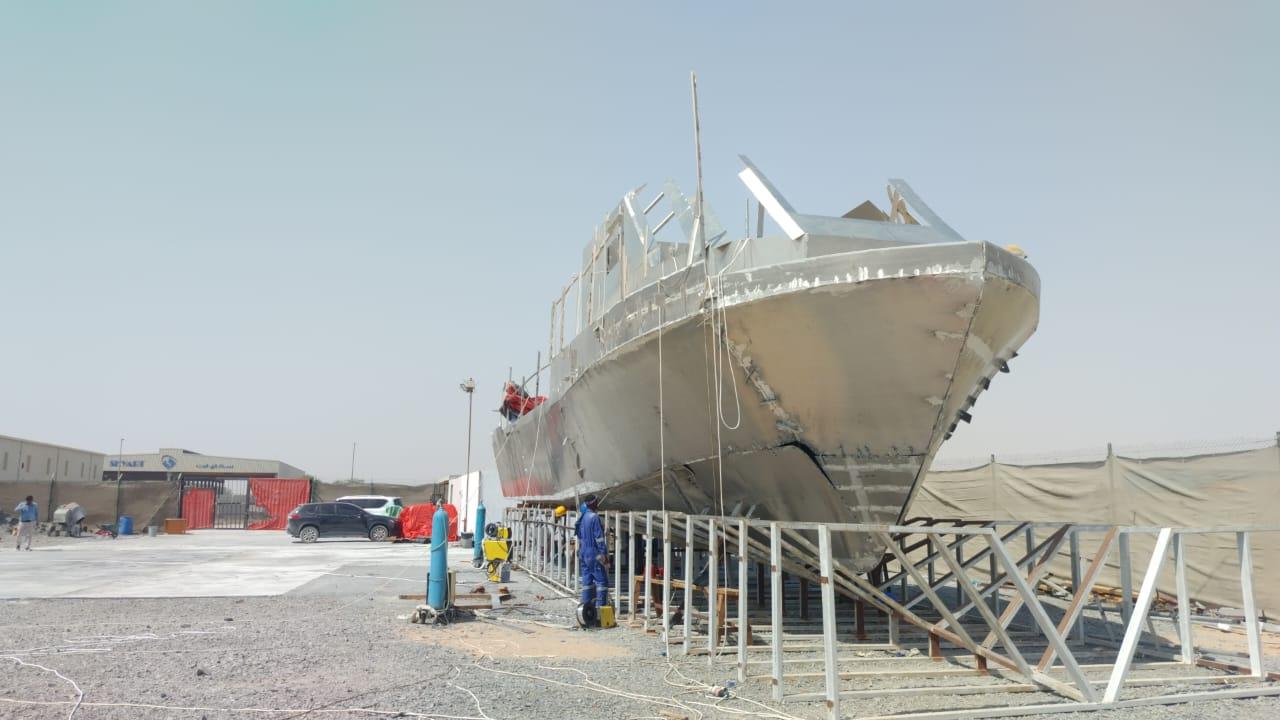
Technology is transforming the marine industry by making boat design, construction, and testing more efficient. A modern boat building company uses advanced engineering methods, digital design software, lightweight materials, and automated equipment to produce vessels that meet different commercial and operational requirements. These innovations help improve durability, safety, fuel efficiency, and manufacturing quality.
Boat manufacturing has developed significantly over the years. Traditional construction methods are now supported by computer-aided design, precision cutting, digital inspection systems, and improved material technology. These developments allow manufacturers to reduce production errors, control costs, and create boats for fishing, transportation, offshore support, and other marine activities.
VU Marine recognises the importance of quality construction and modern engineering in meeting the changing needs of the maritime sector. As technology continues to advance, manufacturers are exploring practical ways to build reliable vessels while improving production efficiency and environmental performance.
1. Computer-Aided Design in Boat Manufacturing
Computer-aided design, commonly known as CAD, has become an important part of modern boat construction. Engineers use digital software to create detailed models of hulls, decks, internal compartments, and mechanical systems before physical production begins.
These models help designers examine dimensions, equipment placement, structural arrangements, and available space. They can also identify design conflicts before materials are cut, reducing the risk of expensive changes during manufacturing.
Three-dimensional modelling makes it easier to understand how different components fit together. Engineers can adjust hull shapes, compare design alternatives, and plan fabrication activities more accurately.
For example, a commercial workboat may require a spacious deck, strong structural supports, and a layout that allows workers to move safely. Digital modelling helps engineers evaluate these requirements before construction starts.
2. Advanced Materials for Stronger and Lighter Boats
Material selection directly affects a boat's strength, weight, maintenance requirements, and operational performance. Modern manufacturers consider the vessel's intended purpose, operating environment, expected loads, and service life before choosing construction materials.
Aluminium is widely used in marine applications because it offers a useful combination of relatively low weight, corrosion resistance, and structural performance. Its density is approximately one-third that of steel, although the strength and overall performance of a finished structure depend on the specific alloy, design, and construction method.
Experienced aluminium boat builders consider hull geometry, plate thickness, welding quality, reinforcement, and weight distribution when designing vessels. Proper engineering is essential to ensure that a lightweight structure remains strong enough for its intended operating conditions.
Composite materials, including fibre-reinforced plastics, are also used in boat production. These materials can offer design flexibility and corrosion resistance, depending on the application.
The best material is not necessarily the lightest or cheapest. It must provide the right balance of strength, durability, safety, and lifecycle cost.
3. Automation and Robotics in Manufacturing
Automation is helping marine manufacturers improve precision and consistency. Computer-controlled cutting machines can produce components according to digital measurements, reducing manual errors and supporting accurate assembly.
Robotic systems can also assist with repetitive tasks such as cutting, welding, grinding, and material handling. These technologies may improve productivity and help workers complete routine operations more consistently.
According to the OECD's research on shipbuilding and maritime decarbonisation, a Korean shipyard case study reported a production automation rate of 68% through the use of automation and digital tools. This is an example of advanced shipyard production, not a universal figure for every boat manufacturing facility.
Automation offers several potential benefits:
-
Improved accuracy in cutting and fabrication.
-
Reduced material waste.
-
Greater consistency in repetitive operations.
-
Better coordination between production stages.
-
Less time spent correcting avoidable manufacturing errors.
Skilled technicians remain essential for complex fabrication, equipment installation, inspections, and final quality checks. Technology works best when combined with practical experience and sound engineering.
4. Digital Simulation and Performance Testing
Digital simulation allows engineers to study a boat's expected performance before a physical prototype is completed. These tools help evaluate hull design, structural strength, water resistance, and other important characteristics.
Computational fluid dynamics, or CFD, is used to analyse water flow around a vessel. Engineers can use the results to investigate hull resistance and identify design changes that may improve performance.
Structural simulation can help identify areas exposed to high stress. This allows designers to consider appropriate reinforcements and investigate potential weaknesses before construction.
However, digital simulations cannot replace all physical testing. Sea trials, stability assessments, equipment checks, and applicable regulatory inspections remain important for verifying that a vessel performs as intended.
Combining digital analysis with practical testing can improve design decisions and reduce the likelihood of problems being discovered late in the manufacturing process.
5. Smart Manufacturing and Digital Monitoring
Connected equipment, sensors, and production management software are changing how manufacturing facilities operate. These technologies can help supervisors monitor machinery, track production progress, and identify potential delays.
For example, equipment monitoring systems can provide information about machine performance and operating conditions. This information helps maintenance teams identify unusual behaviour and plan inspections before minor issues lead to longer interruptions.
Digital records can also document material details, fabrication stages, inspection results, and equipment installation. These records improve traceability and help manufacturers investigate problems when necessary.
The OECD identifies digital technologies, including artificial intelligence, data analytics, and the Internet of Things, as important developments in modern maritime industries.
In boat manufacturing, the effective use of digital information can support better planning, improve communication, and make production processes easier to monitor.
6. Energy Efficiency and Sustainable Boat Design
Fuel consumption and environmental impact are important considerations in modern marine engineering. Manufacturers are increasingly evaluating ways to improve propulsion efficiency, reduce unnecessary weight, and minimise production waste.
The International Maritime Organization introduced the Energy Efficiency Design Index for applicable new ships, with the requirements entering into force in 2013. Although these requirements do not apply in the same way to every small boat, they demonstrate the maritime industry's wider focus on energy-efficient design.
Several technologies can support this objective.
Optimised hull design: A suitable hull can reduce resistance through water under appropriate operating conditions.
Efficient propulsion: Correctly matched engines, propellers, and control systems can improve fuel efficiency.
Electric and hybrid systems: Depending on the vessel's operating profile, these systems can reduce local emissions and noise.
Lightweight materials: Appropriate material selection may reduce vessel weight and propulsion requirements.
Waste reduction: Accurate cutting plans and better inventory management help reduce unused materials.
Sustainability depends on the complete design and operating system rather than a single technology. Manufacturers must consider maintenance, energy sources, operating patterns, and the vessel's expected service life.
7. Quality Control and Modern Safety Standards
Quality control is essential throughout the boat manufacturing process. Digital measurement equipment, electronic inspection records, and non-destructive testing can help identify defects and document construction quality.
Ultrasonic testing and dye penetrant inspection are examples of non-destructive testing methods. The correct technique depends on the material, joint configuration, and type of defect being investigated.
Inspection records can include photographs, measurements, material certificates, and test results. These documents help teams track construction progress and maintain a clear record of completed work.
Safety inspections may cover hull integrity, watertight compartments, stability, electrical installations, fire protection, and emergency equipment. The exact requirements depend on the vessel's size, purpose, operating area, and applicable regulations.
Technology can make inspections more consistent, but qualified professionals must still evaluate the results and determine whether the vessel meets the required standards.
8. Customisation for Different Marine Applications
Different vessels are designed for different tasks. Fishing boats, passenger vessels, patrol craft, workboats, and offshore support boats have distinct requirements for speed, load capacity, deck space, endurance, and onboard equipment.
Modern design software allows manufacturers to customise layouts and dimensions before construction begins. Engineers can review equipment positions, access routes, storage areas, and structural requirements in a digital model.
For example, a commercial operator may need additional deck space for equipment, reinforced areas for heavy loads, or improved facilities for crew members. These changes must be evaluated alongside stability, weight distribution, and structural strength.
VU Marine understands the importance of combining suitable engineering practices with reliable construction to meet different marine operational needs. Careful planning helps ensure that the final vessel is appropriate for its intended purpose.
9. The Growing Role of Modern Boat Manufacturers
The development of advanced materials, digital engineering, and improved production systems is creating new opportunities for the marine industry. Today's aluminium boats manufacturers must consider not only the construction process but also the vessel's performance, maintenance, and expected operating life.
Customers increasingly look for boats that meet specific operational requirements while offering dependable performance and manageable running costs. Manufacturers can respond by improving design accuracy, selecting suitable materials, and applying consistent quality checks.
Industry statistics also help explain broader market developments. The International Council of Marine Industry Associations publishes annual recreational boating statistics covering boat production, national markets, international trade, and marine engines. Its 2025 report includes national data for 2024, providing useful information for understanding changes across the recreational boating sector.
These figures relate to the wider boating industry and should not be interpreted as direct measurements of the performance of every individual manufacturer.
10. How Boat Manufacturing Technology Will Develop
Future progress in boat manufacturing technology is likely to involve greater integration of artificial intelligence, digital twins, advanced materials, automation, and alternative propulsion systems.
Artificial intelligence may help analyse manufacturing data, identify production inefficiencies, and support maintenance planning. Digital twins can connect digital vessel models with operating information, helping engineers understand performance and investigate potential improvements.
Electric propulsion and improved energy storage may become more suitable for certain short-distance and specialised marine operations as technology develops. However, practical adoption depends on vessel size, required range, charging access, operating conditions, and total cost.
Manufacturers will also need to invest in workforce training, equipment maintenance, and effective quality management. New technology creates the greatest value when it addresses real operational challenges and supports measurable improvements.
Conclusion
Technology is transforming boat manufacturing through digital design, advanced materials, automation, simulation, and improved quality control. These developments help manufacturers produce vessels with greater precision while supporting durability, safety, and operational efficiency.
Modern boat construction requires more than advanced machinery. It also depends on experienced professionals, appropriate material selection, careful planning, and compliance with relevant safety standards.
VU Marine recognises the value of combining modern engineering with quality construction and an understanding of marine operations. As the industry continues to evolve, manufacturers that adopt suitable technologies responsibly will be better positioned to meet changing customer requirements and contribute to the future of marine engineering.