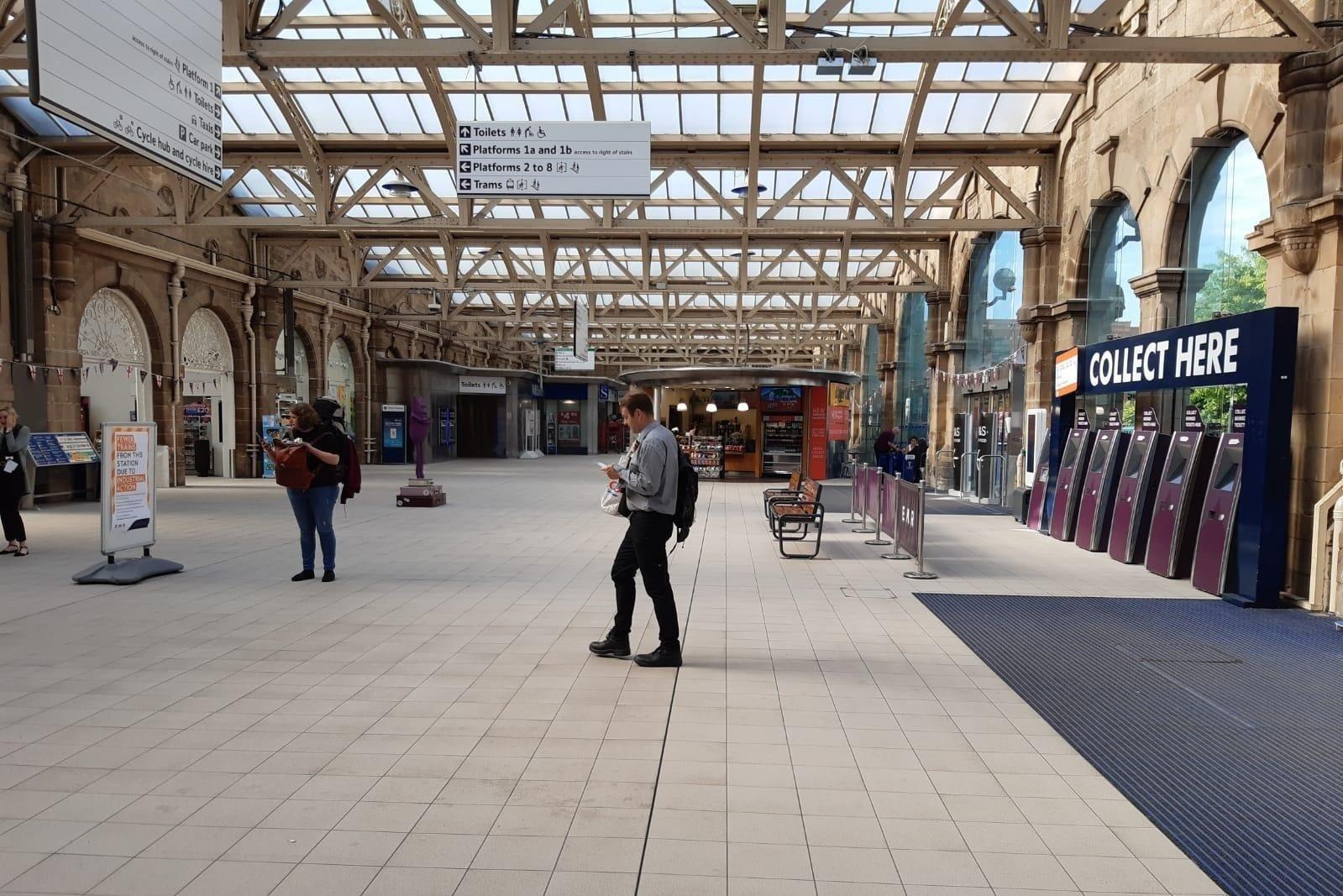
Railway stations are increasingly becoming important retail destinations, offering commercial opportunities for convenience stores, food outlets, pharmacies, bookshops, travel accessory stores and branded retail outlets. A professional railway station shop fit-out company helps businesses transform available commercial spaces into attractive, functional and customer-friendly retail environments. From initial planning and interior design to fixture manufacturing and final installation, a coordinated fit-out solution ensures that every part of the shop supports efficient operations.
The principles behind 10 Must-Have Features in a Well-Designed Corporate Office also highlight the importance of practical layouts, appropriate lighting, durable materials and organised workspaces. Although railway retail environments have different operational requirements, these fundamentals help create spaces that are comfortable for employees and convenient for customers. A well-planned fit-out must also consider passenger movement, limited floor areas, station regulations and installation schedules.
1. Understanding Railway Station Retail Requirements
Railway station shops operate differently from conventional high-street stores. Customers are often travelling, have limited shopping time and expect quick access to products and services. Therefore, the fit-out must prioritise visibility, easy navigation and efficient transactions.
A professional fit-out company studies the available floor area, passenger movement, shop category, product range and operational requirements before developing the design. The layout should allow customers to enter, browse, purchase and exit without creating unnecessary congestion. Clear circulation paths and accessible counters are particularly important in busy station environments.
2. Customised Shop Interior Design and Space Planning
Space planning is one of the most important stages of railway station shop development. Many commercial units have compact dimensions, making it necessary to use every available area effectively.
Customised interior design solutions can include:
-
Strategically positioned display shelves and wall-mounted racks.
-
Compact billing counters with integrated storage.
-
Efficient product arrangement and category zoning.
-
Space-saving storage behind the sales counter.
-
Clearly defined customer entry and exit areas.
-
Brand-focused wall panels and signage.
Three-dimensional design presentations help retailers understand the proposed layout before fabrication begins. They also allow adjustments to fixture positions, lighting and finishes at an early stage.
3. Durable Materials for High-Footfall Environments
Railway station shops experience continuous customer activity, frequent cleaning and regular handling of fixtures. Materials must therefore offer durability, stability and easy maintenance.
Suitable materials may include commercial-grade laminates, engineered boards, powder-coated metal, toughened glass and durable flooring systems. The selection depends on the shop category, budget, design requirements and applicable station specifications.
The Ministry of Railways' station design manual discusses consistent standards for station furniture and facilities, including counters, concession stands and retail-related fixtures. These considerations reinforce the importance of selecting practical materials and coordinated designs for commercial spaces.
4. Custom Retail Fixtures and Display Solutions
Retail fixtures influence how products are presented and how efficiently employees manage daily operations. A railway station shop fit-out company can design and manufacture fixtures according to the merchandise and available space.
Common fixtures include wall display units, gondola shelving, glass showcases, promotional stands, storage cabinets, cash counters and customised merchandise racks. Food outlets may require specialised service counters, while pharmacies and convenience stores need organised shelving and secure storage.
Custom manufacturing ensures that fixtures match the interior design and make effective use of the shop's dimensions.
5. Lighting, Branding and Signage
Lighting improves product visibility and creates a welcoming retail atmosphere. General illumination should provide sufficient brightness, while focused lighting can highlight important merchandise, promotional displays and branded features.
Signage must communicate the store name, product categories and essential information clearly. In a railway station, customers may only have a few moments to identify a shop, so readable graphics and strategically positioned branding are valuable.
A coordinated design approach ensures that lighting, signage, colours and display fixtures create a consistent brand identity.
6. Electrical, Safety and Functional Planning
A successful fit-out must account for electrical installations, equipment requirements, ventilation and other operational services. Billing systems, refrigerators, illuminated displays and food preparation equipment may require dedicated electrical provisions.
The design should also consider safe cable management, suitable fire-safety provisions, accessible service points and unobstructed movement. All materials and installations must follow the applicable railway authority requirements, approved drawings and relevant safety standards.
7. Fabrication and Installation Management
Manufacturing retail fixtures off-site can help improve installation efficiency and maintain consistent quality. Components can be measured, fabricated and checked before being transported to the station.
Installation planning is particularly important when working in an operational railway environment. Contractors may need to coordinate access permissions, material transportation, working hours and site restrictions with the relevant authorities.
A structured execution process generally includes:
-
Site measurement and requirement assessment.
-
Concept design and 3D visualisation.
-
Technical drawings and approval coordination.
-
Material selection and cost estimation.
-
Fixture manufacturing and quality checks.
-
Transportation and on-site installation.
-
Final inspection and project handover.
8. Choosing the Right Railway Station Shop Fit-Out Partner
Selecting an experienced fit-out partner can make a significant difference to project quality and execution. Retailers should evaluate the company's experience in commercial interiors, custom fixture manufacturing, project coordination and transit retail environments.
Review previous projects, manufacturing capabilities, material specifications and installation processes. A detailed quotation should explain the scope of work, materials, furniture specifications, electrical provisions, timelines and exclusions.
It is also important to confirm whether the contractor can coordinate the documentation and approvals required by the railway authority or station operator.
Conclusion
A railway station shop fit-out company plays an important role in creating organised, durable and commercially effective retail environments. From space planning and customised furniture to lighting, branding, fabrication and installation, every element should support passenger convenience and smooth store operations. With thoughtful design and professional project execution, retailers can develop attractive station shops that make effective use of available space while delivering a consistent shopping experience.