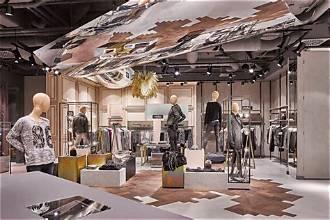
In-store visual merchandising plays an important role in attracting customers, improving product visibility and creating engaging shopping experiences. Retail businesses need well-organised displays, attractive product arrangements and consistent brand communication to stand out in competitive markets. Professional in-store visual merchandising services help retailers transform ordinary store interiors into visually appealing environments that encourage product discovery and support purchasing decisions.
The principles of 10 Must-Have Features in a Well-Designed Corporate Office also highlight the importance of organised layouts, functional spaces, appropriate lighting and attractive interiors. These principles can be adapted to retail environments, where every display, fixture and decorative element contributes to the customer experience. A well-planned merchandising strategy ensures that products receive the right attention while maintaining a consistent brand identity.
1. Understanding In-Store Visual Merchandising
Visual merchandising is the strategic presentation of products within a retail environment. It involves arranging merchandise, selecting display fixtures, coordinating colours, integrating lighting and creating attractive product presentations.
The objective is to make products easier to discover while communicating their features and benefits. Retailers can use visual merchandising to highlight new arrivals, promote seasonal collections, introduce premium products and create dedicated promotional zones.
Effective merchandising considers both the appearance of displays and the way customers move through the store.
2. Strategic Store Layout and Product Placement
Store layout directly influences how customers explore different product categories. A professional visual merchandising team studies the available floor area, customer movement, merchandise range and shopping behaviour before recommending display arrangements.
Important elements include:
-
Strategic placement of featured products.
-
Clearly defined product categories.
-
Attractive entrance and window displays.
-
Organised shelving and display counters.
-
Convenient access to promotional merchandise.
-
Effective use of wall and floor display areas.
A well-planned layout helps customers navigate the store comfortably and allows retailers to use available space more effectively.
3. Custom Retail Displays and Fixture Planning
Display fixtures provide the foundation for product presentation. Customised fixtures help retailers organise merchandise according to product dimensions, brand guidelines and store requirements.
Common display solutions include gondola shelving, wall-mounted display units, glass showcases, product podiums, acrylic stands, promotional counters and modular display racks.
Fixture planning should consider product accessibility, visibility, storage requirements and the overall interior design. Consistent display systems are particularly useful for brands operating multiple retail outlets.
4. Window Displays and Promotional Presentations
Window displays are important for attracting attention from outside the store. Creative arrangements can communicate new collections, seasonal themes, product launches and promotional campaigns.
Visual merchandising services may include:
-
Concept development for window displays.
-
Custom podiums and display platforms.
-
Mannequin styling and product arrangement.
-
Decorative props and themed backdrops.
-
Illuminated graphics and signage.
-
Seasonal and festive installations.
An attractive window display creates a strong first impression and encourages potential customers to explore the store.
5. Lighting and Colour Coordination
Lighting influences how merchandise appears and helps establish the atmosphere of a retail environment. General lighting provides comfortable visibility, while accent lighting highlights selected products and display areas.
Colour coordination is equally important. Brand colours can be incorporated into display fixtures, graphics, promotional panels and decorative elements. Complementary colours can help separate product categories and create visual balance.
Combining appropriate lighting with coordinated colours creates an organised and attractive retail presentation.
6. Visual Merchandising for Different Retail Industries
Different retail sectors require specialised merchandising strategies based on their products and customer expectations.
Fashion and apparel: Mannequins, coordinated clothing arrangements, footwear displays and seasonal window concepts help present collections effectively.
Jewellery: Premium showcases, elegant podiums, focused lighting and customised product holders create sophisticated merchandise presentations.
Cosmetics and beauty: Acrylic stands, illuminated shelves, product risers and branded counters help highlight beauty collections.
Electronics: Demonstration platforms, organised accessory displays and interactive product counters encourage customers to explore products.
Supermarkets: Gondola arrangements, promotional end caps, category signage and organised shelves improve product visibility and shopping convenience.
A tailored merchandising approach ensures that displays match the characteristics of each retail category.
7. Seasonal Campaigns and Brand Promotions
Seasonal merchandising helps retailers refresh their store presentation according to festivals, special occasions, product launches and promotional events.
Customised display props, branded graphics, decorative installations and promotional stands can be developed for individual campaigns. Consistent execution ensures that the intended campaign message is communicated across all customer-facing areas.
For retail chains, standardised merchandising guidelines help maintain the same visual identity across different outlets.
8. In-Store Branding and Visual Communication
Branding should be integrated throughout the retail environment rather than limited to the storefront. Wall graphics, illuminated logos, product information panels, promotional signage and branded display fixtures help reinforce brand recognition.
Clear communication also helps customers understand product categories, offers and merchandise features. Display messages should be concise, readable and positioned where customers can easily notice them.
Coordinating branding with fixtures, lighting and product arrangements creates a unified store experience.
9. Benefits of Professional In-Store Visual Merchandising Services
Working with an experienced visual merchandising team offers several advantages:
-
Improved product visibility and presentation.
-
Better utilisation of available retail space.
-
Consistent brand communication.
-
More attractive promotional displays.
-
Organised product categories.
-
Efficient seasonal campaign execution.
-
Better coordination across multiple store locations.
Professional services can include merchandising strategy, design development, prop procurement, fixture planning, installation and ongoing display maintenance.
10. Choosing the Right Visual Merchandising Partner
Retailers should evaluate a service provider's experience in their industry, design capabilities, fabrication network and execution standards. Reviewing previous installations can help assess creativity, material quality and attention to detail.
Businesses should also discuss project requirements, store coverage, merchandising guidelines, installation schedules and maintenance support. For multi-location brands, the ability to coordinate teams and maintain consistent execution across outlets is particularly important.
Conclusion
In-store visual merchandising services help retailers create attractive, organised and brand-focused shopping environments. Through strategic product placement, customised fixtures, creative displays, lighting, signage and seasonal presentations, businesses can improve product visibility and strengthen customer engagement. Choosing an experienced visual merchandising partner helps retailers maintain consistent store standards, communicate their brand identity and develop memorable shopping experiences.