There is a certain satisfaction that comes from handling home maintenance tasks yourself. It saves money, it feels empowering, and in the age of online tutorials, it seems like any problem can be solved with a bit of determination and a trip to the hardware store. When Toronto homeowners first discover evidence of raccoons in their attic, this DIY instinct often kicks in. After all, how hard can it be to evict a wild animal? The answer, as countless frustrated and injured homeowners have discovered, is far harder and far more dangerous than it appears. The hidden dangers of do-it-yourself raccoon removal extend well beyond a simple waste of time, encompassing serious risks to your personal safety, your home's integrity, and even your legal standing. Understanding these hidden pitfalls is essential before you decide to take matters into your own hands.
The Very Real Threat of Physical Harm
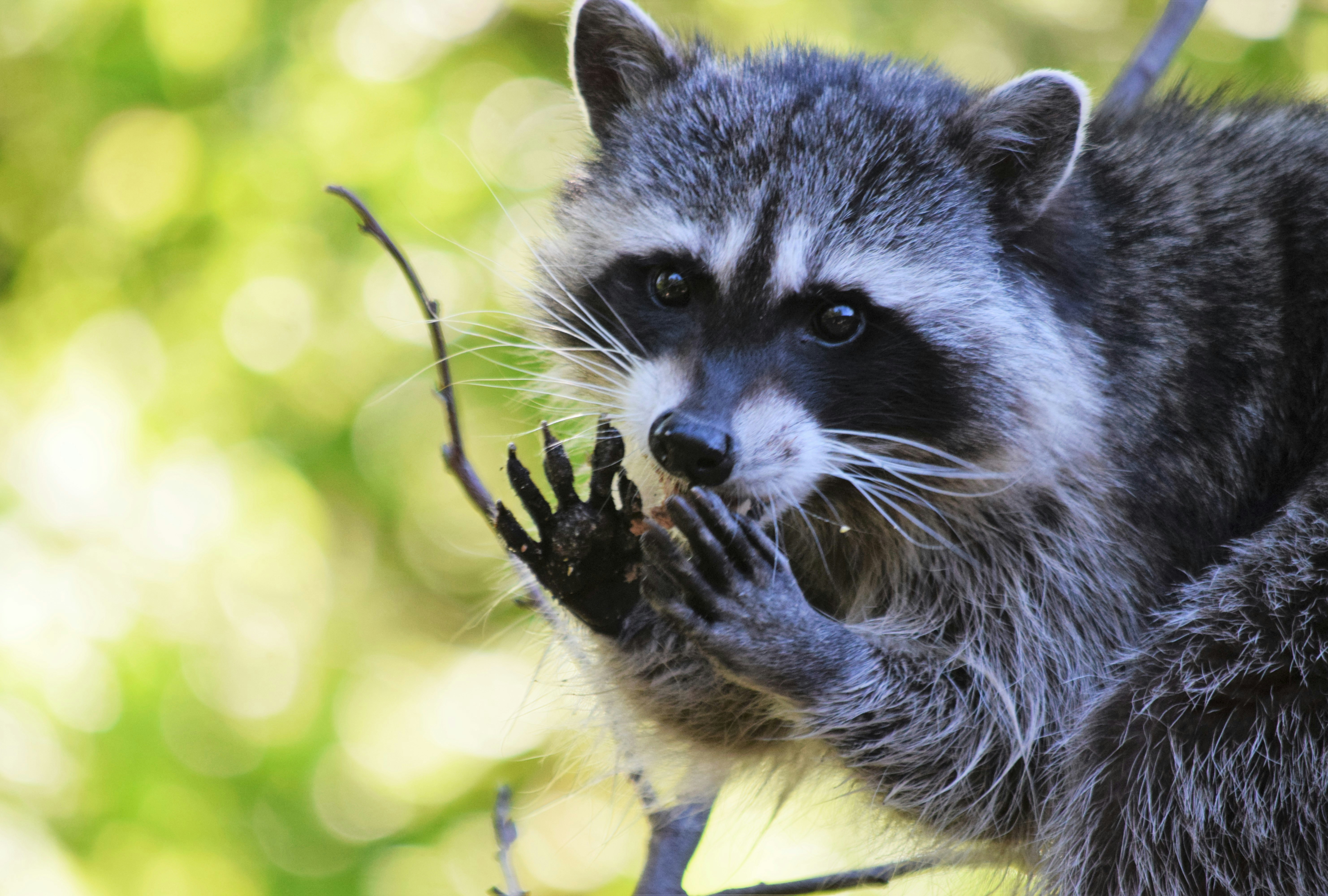
The most immediate and visceral danger of DIY raccoon removal is the potential for serious physical injury. It is easy to underestimate just how formidable a cornered raccoon can be. These animals are not timid, fleeing creatures when trapped in an enclosed space like an attic. They are powerful, agile, and equipped with sharp claws and strong jaws designed for defense. A mother raccoon protecting her litter will attack with surprising ferocity, and a bite from a raccoon is not a minor wound. It can cause deep tissue damage, sever tendons, and lead to severe bacterial infections. Beyond the physical trauma of the bite itself, there is the terrifying prospect of rabies exposure. While the incidence is low, a bite from a rabid animal necessitates a series of painful post-exposure prophylaxis shots. Attempting to handle or trap a raccoon without professional training and equipment is quite simply a gamble with your physical well-being.
The Cruel Reality of Orphaning Baby Raccoons
One of the most heartbreaking and misunderstood aspects of raccoon removal involves the presence of baby animals. Raccoons in Toronto typically give birth in the spring, and a mother will go to great lengths to find a safe, warm den for her young, often choosing an attic for this very purpose. A well-intentioned homeowner, hearing noises, might seal up what they believe is the only entry point, thinking the problem is solved. In reality, they have likely trapped a litter of helpless baby raccoons inside without their mother. The mother, unable to re-enter, will become desperate, often tearing apart roofing materials in a frantic attempt to reunite with her young. Meanwhile, the babies inside will slowly perish from starvation or dehydration. This is not only an inhumane outcome but also creates a severe secondary problem for the homeowner as the decomposing bodies create a horrific odor and attract flies and other pests. Professional removal services are trained to assess for the presence of young and implement strategies that keep families together until they can be humanely excluded.
The Illusion of Effectiveness and Certain Return
Even if you successfully avoid injury and manage to get a raccoon out of your attic, the chances of your DIY solution providing a permanent fix are remarkably low. Raccoons are intelligent animals with excellent spatial memory. If you simply chase one out and nail a board over the hole it was using, that raccoon, or another one, will remember that this location was once a viable den site. They will methodically test your repair, looking for any weakness. Furthermore, your attic likely has multiple potential entry points you may have missed. Raccoons do not need a large opening; they can exploit existing gaps around vents, chimneys, and soffits that are invisible from the ground. A professional exclusion involves a comprehensive inspection of the entire roofline to identify and seal every possible vulnerability, not just the most obvious one. Without this thorough approach, you are simply creating a revolving door for future wildlife, destined to repeat the entire stressful experience again.
The Legal Pitfalls of Wildlife Control
What many Toronto homeowners do not realize is that attempting DIY raccoon removal can put them on the wrong side of the law. In Ontario, raccoons are considered furbearing mammals and are protected under provincial wildlife regulations. There are strict rules governing how they can be trapped and relocated. The use of certain types of traps may be prohibited, and it is illegal to transport and release a trapped raccoon elsewhere without the proper license and authorization. Releasing a raccoon into a park or green space, even with the best intentions, is often a death sentence for the animal, which will struggle to find food, water, and shelter in an unfamiliar territory, and may also spread disease to new populations. Furthermore, many municipalities have bylaws regarding the humane treatment of animals. Professional wildlife control companies are licensed and insured, operating within the bounds of these laws, ensuring that your attempt to solve a problem does not result in fines or legal charges.
The Unseen Costs of Damage and Disease
DIY removal often focuses solely on the animal, completely overlooking the environmental hazards they leave behind. Even if you successfully evict a raccoon, your attic remains contaminated with their urine, feces, and nesting materials. This is not a simple cleaning job. Raccoon feces can harbor the dangerous eggs of raccoon roundworm, which are resistant to many household cleaners and can become airborne during cleanup, posing a severe health risk to anyone in the home. Professional remediation involves the use of specialized personal protective equipment, HEPA-filtered vacuums, and commercial-grade disinfectants specifically formulated to kill these pathogens. Additionally, DIYers often fail to address the damage to insulation, ductwork, and wiring, leaving their home with reduced energy efficiency, compromised air quality, and a hidden fire hazard. The true cost of a DIY approach includes not just your time and materials, but the potential for long-term health issues and expensive future repairs that a professional would have identified and resolved from the start.