
If you’ve ever tried to market a behavioral health program, you already know it’s nothing like selling shoes or software. The person on the other end of that ad or email isn’t browsing casually—they’re often exhausted, scared, or carrying the weight of watching someone they love disappear into addiction or mental illness. That means the usual marketing tricks feel not just ineffective but deeply wrong. Rehab marketing agencies that actually succeed understand this distinction from the ground up. They don’t chase clicks for the sake of clicks; they build bridges between someone’s worst moment and a genuine path forward. Whether you’re running a small detox center or a nationwide behavioral health network, the tips below come from real campaigns that balanced compliance, compassion, and conversion without crossing into the sleazy territory that gives this industry a bad name.
Stop Chasing Vanity Metrics and Start Tracking Real Help
Most marketing agencies love to brag about impressions, page views, and social media followers. Those numbers feel good, but they rarely translate into someone actually checking into treatment. Behavioral health success starts with redefining what a “win” looks like. Instead of obsessing over website traffic, track calls that last longer than two minutes, completed insurance verification forms, and admissions that actually show up for intake. One of the most effective shifts you can make is installing call tracking software that records conversations—with proper consent, of course. Listening to those calls reveals exactly where potential clients get confused, scared off, or convinced to try “just one more day” of using. When you know the real objections and fears people voice in private, you can rewrite your ads, landing pages, and follow-up scripts to address those exact hesitations. A thousand extra visitors mean nothing if not one of them picks up the phone.
Compliance Isn’t a Boring Box to Check—It’s Your Shield
The behavioral health space is littered with horror stories of rehabs that paid for sketchy third-party lead generation or used aggressive “risk-free admission” promises, only to face lawsuits, fines, or worse. Google’s “Rehab and Treatment Centers” policy is strict, and for good reason: vulnerable people have been exploited. A trustworthy rehab marketing agency treats compliance as a creative challenge rather than a burden. That means avoiding claims like “cure” or “100% success rate,” steering clear of before-and-after photos that imply guaranteed results, and being painfully honest about what treatment can and cannot do. It also means understanding that patient privacy laws like HIPAA apply to your marketing stack—so no, you cannot retarget someone with Facebook ads after they visited your detox page unless you’ve set up strict anonymization. When you lead with compliance, you’re not just avoiding penalties. You’re signaling to potential clients that you take their dignity and safety seriously.
Build Trust Through Transparency in Pricing and Process
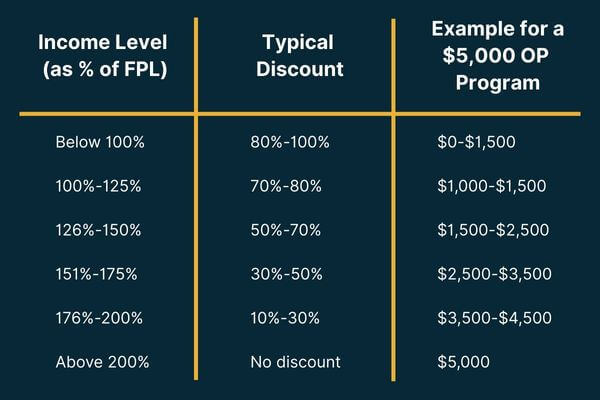
Few industries are as notorious for hidden fees and billing surprises as behavioral health. Even well-intentioned rehabs often bury their costs in confusing insurance jargon. The marketing agencies that succeed long-term are the ones that push their clients to be radically transparent upfront. Put a range of out-of-pocket costs on your website, even if it’s just “most insurance plans cover 60-90% after deductible.” Create a simple one-page guide explaining exactly what happens from first call to admission day, including who the client will speak with, what financial questions to expect, and how long each step takes. Then promote that guide not as a lead magnet but as a free resource. This runs counter to every aggressive “get them in the door before they think twice” instinct, but that’s precisely why it works. When someone is terrified of being trapped by a financial nightmare they didn’t understand, handing them a clear roadmap builds more loyalty than any discount ever could.
Use Paid Ads Strategically, Not as a Crutch
Pay-per-click advertising in behavioral health is brutal. Keywords like Rehab marketing agency can cost over fifty dollars per click, and many of those clicks come from people who are just curious or already in treatment elsewhere. A smarter approach is to use paid ads for very narrow, high-intent searches that your organic content isn’t yet ranking for. Think “rehab for nurses with license at risk” or “military PTSD programs that accept TRICARE.” These long-tail campaigns cost less and convert better because the person searching is usually past the contemplation stage. You should also run retargeting campaigns but with a gentle touch—no frantic “DON’T GIVE UP” messages. Instead, show an ad that asks “Still researching? Here’s a checklist for choosing a safe rehab.” That positions you as helpful rather than pushy. And always, always set daily spend limits that won’t bankrupt you if a competitor click-farms your ads out of spite—it happens more often than agencies like to admit.
Email and SMS Nurturing That Doesn’t Feel Like Harassment
Someone who fills out a contact form but doesn’t call immediately isn’t a lost cause. They’re often a person who got scared, interrupted by a family member walking in, or simply needed to think overnight. The trick is to follow up without crossing into annoyance. A good rule of thumb is one email or text every three to five days, each offering something genuinely useful rather than just “still thinking about rehab?” Share a two-minute video of a former client describing their first week without shame. Send a PDF of questions to ask when verifying insurance. Offer a private link to a virtual tour of your facility so they can see the bedrooms and common areas before committing to a phone call. The moment someone replies “stop” or “not interested,” you remove them instantly—no automated follow-up three days later. Respecting that boundary actually increases the chance they’ll return to you when they are ready, rather than associating your name with digital harassment.
Leverage Alumni Stories Without Exploiting Vulnerability
Nothing convinces a skeptical potential client like hearing from someone who has walked the same path. But featuring alumni in your marketing requires extraordinary care. The best rehab marketing agencies build formal alumni storytelling programs where former clients consent in writing, review the final content before it publishes, and can revoke permission at any time for any reason. You also avoid sharing details that are too raw or recent—someone who left treatment two weeks ago is still emotionally fragile, and featuring them could backfire if they relapse. Instead, work with alumni who have solid recovery of six months or more and ask them to focus on specific, helpful details: what they wish they’d known before admission, how they chose your program over others, or how they rebuilt a specific relationship. These stories perform incredibly well on YouTube and in email sequences because they feel real. And when produced ethically, they also protect both the storyteller and your reputation.
Audit Your Admissions Process Like a Secret Shopper
You can drive the perfect lead to your website, but if your admissions team takes three days to return a voicemail or sounds bored during the first call, that potential client is gone forever. Once a quarter, get started hire a service or ask a trusted colleague to pose as a family member seeking help. They should go through your entire digital journey: click an ad, read a landing page, fill a form, and make a phone call. Record everything—how many rings until pickup, whether the person answering sounds trained for crisis calls, how long the callback takes, and whether follow-up emails feel personal or copy-pasted. Most agencies ignore this step entirely, which is exactly why it’s such a competitive advantage. The behavioral health programs that win in the long run aren’t always the ones with the biggest marketing budgets. They’re the ones that answer the phone like someone’s life depends on it—because sometimes, it really does.