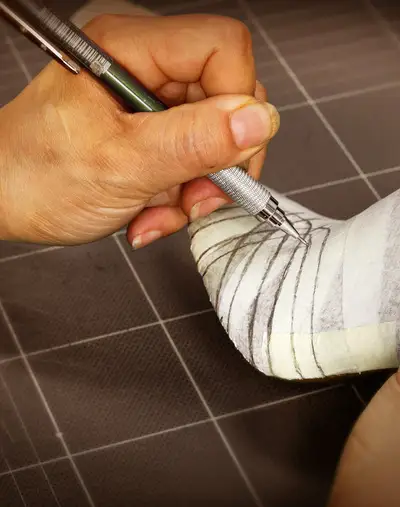
Walk into any dancewear shop, and you will see rows of shiny boxes promising comfort, durability, and style. Generic dance shoes look perfectly fine on the shelf. They have recognizable brand names, reasonable price tags, and enough padding to feel decent during a quick try-on. So why would anyone bother with the higher cost and longer wait time of a custom Suphini shoe? The answer only becomes clear after you have danced in both. Generic shoes are designed for the average foot—a mythical creature that barely exists—while Suphini builds for your actual foot, with all its quirks and asymmetries. Let me show you how those differences play out where it truly matters.
The One-Number-Fits-All Trap That Hurts Your Technique
Generic brands sort dancers into a small grid of size and width combinations. A size seven narrow from one brand fits completely differently from a size seven narrow from another, and neither matches the actual shape of most feet. This forces you to compromise. You might size up to accommodate a wide forefoot, only to find your heel swimming inside the shoe. Or you might squeeze into a narrower width to lock your heel in place, sacrificing your toes in the process. Suphini eliminates this trade-off entirely. Because each shoe is built to your specific length, ball circumference, instep height, and heel width, you never have to choose between a secure heel and a comfortable toe box. Your technique improves simply because your shoe is no longer fighting your anatomy.
How Mass-Produced Soles Ignore Floor Contact
Watch a slow-motion video of a generic shoe during a turn, and you will notice something troubling. The sole does not make full contact with the floor because it was molded to an average foot shape rather than yours. This means you are spinning on a small portion of the sole, reducing your stability and wearing out that spot much faster. Suphini shapes each sole to match your weight distribution pattern. If you tend to roll outward onto the outer edge of your foot, they bevel the sole differently. If you spin primarily on the ball of your foot, they reinforce that specific zone. Generic soles cannot offer this level of specificity because they are stamped out by the thousands with no regard for individual movement patterns.
The Hidden Cost of Cheap Materials and Short Lifespans
That sixty-dollar pair of generic dance shoes seems like a bargain until you replace them four times in a single year. Generic manufacturers cut costs wherever possible—thinner leather, weaker thread, adhesives that break down with sweat, and heel blocks made from compressed cardboard rather than solid wood or leather. Suphini uses full-grain leathers, heavy-duty synthetic or linen thread, and industrial-grade adhesives that withstand moisture and heat. A typical Suphini custom shoe lasts three to five times longer than a generic competitor, even with the same amount of weekly practice time. When you calculate cost per dance hour, the custom shoe is actually cheaper. Your feet just get the benefit of superior materials along the way.
Why Generic Heels Never Quite Match Your Natural Alignment
Heel placement is not just about height—it is about geometry. Generic shoes attach the heel at a standard position relative to the sole shape, but your natural center of gravity might fall slightly forward or back of that spot. A misaligned heel forces your body to compensate constantly, leading to lower back pain, knee strain, and unnecessary calf fatigue. Suphini determines your ideal heel position by having you stand on a pressure-sensing mat while a fitter observes your natural balance point. They then place the heel so that your weight stacks directly over it rather than fighting against it. This single adjustment reduces fatigue more dramatically than almost any other customization, and it is simply impossible with off-the-shelf footwear.
The Blister Problem That Generic Brands Ignore
Blisters are so common among dancers that many accept them as an unavoidable part of the art form. But blisters are not inevitable—they are a sign of friction caused by poor fit. Generic shoes create friction because they do not match your foot’s contours. Your heel lifts slightly with each step, rubbing against the back counter. Your toes slide forward during a plié, abrading the sides of the toe box. Suphini eliminates these friction points by mapping your foot’s pressure zones and adjusting the shoe’s interior accordingly. Heel counters are shaped to your specific curve. Toe boxes are deepened or widened based on your toe splay. Dancers who switch to Suphini often report their first blister-free months of dancing ever. That is not luck—it is geometry.
How Generic Straps Fail the Active Dancer
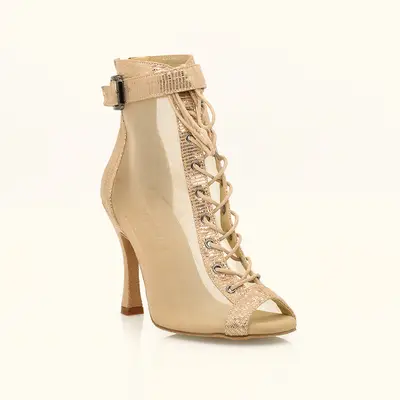
Straps on generic dance shoes are an afterthought—thin elastic or vinyl strips attached with minimal stitching. They stretch out over time, lose their grip, and often snap during a vigorous routine. Suphini treats straps as structural components. They use wider, denser elastic with reinforced stitching at every attachment point. Straps are positioned based on the natural curve of your instep rather than a standardized template. For dancers with very narrow or very wide ankles, Suphini adjusts the strap angle and length to achieve a secure hold without cutting off circulation. This attention to detail means you spend your energy dancing rather than constantly stopping to readjust slipping straps.
The Psychological Difference of Dancing in Your Own Shoes
Beyond all the technical advantages, there is a mental shift that happens when you wear custom dance shoes Suphini shoes instead of generic ones. Generic shoes feel like borrowed equipment—they belong to the brand’s idea of a dancer, not to you. Custom shoes carry your measurements, your preferences, your name. That ownership translates into confidence. You stop worrying about whether your heel will slip during a crucial competition moment. You stop anticipating the hot spot that usually appears on your left foot after an hour of practice. You simply dance. And that freedom, more than any single feature, is the real difference between a generic shoe and a custom one. When your equipment disappears from your awareness, your artistry has room to grow.