The final whistle has blown, the crowd is cheering, and then suddenly everything changes. A player collapses on the pitch. A young athlete takes a bad fall from a horse. A swimmer is pulled from the water, unconscious. As a sports coach, you are the first line of response. You cannot wait for paramedics to wander onto the field. You are the one standing there when seconds count. Irish First Aid has developed comprehensive First Aid Response training specifically tailored to the realities of coaching, whether you are on a GAA pitch, a rugby field, a soccer complex, or a local gym. This is not generic workplace first aid. This is training that understands the unique demands of sporting environments, from the types of injuries you will see to the emotional pressure of caring for a young athlete in front of their worried parents.
Why Sports Coaches Need More Than Basic First Aid
A workplace first aider might go months or years without seeing a serious injury. A sports coach might see one every single weekend. The nature of sporting injuries is also different. You are dealing with rapid acceleration, sudden stops, collisions, and falls from height. Concussions are common, and they are notoriously difficult to recognise in the heat of a match. Heat-related illnesses happen when athletes push themselves beyond safe limits in warm weather. Spinal injuries can occur from a poorly executed tackle or a dive into shallow water. Basic first aid courses often skim over these sport-specific scenarios or miss them entirely. Irish First Aid’s training for coaches dedicates serious time to these exact situations. You learn to spot the subtle signs of a concussion when an athlete insists they are fine. You practice spinal immobilisation on the field before moving a player. You learn the difference between heat cramps, heat exhaustion, and the life-threatening heatstroke.
Recognising and Managing Concussion on the Sideline
Concussion is probably the most misunderstood injury in Irish sport. Too many coaches still think a player is fine if they did not lose consciousness or if they can remember their own name. The truth is far more complex. Irish First Aid teaches coaches the full spectrum of concussion signs, including balance problems, blank stares, delayed responses to questions, personality changes, and sensitivity to light or noise. You learn a standardised sideline assessment tool, similar to what pitch-side medics use, that helps you decide whether a player can return to play. And here is the crucial part: the decision is almost always no. If there is any suspicion of concussion, the player sits out. Period. No exceptions. You also learn what to do in the days following a concussion, including when to seek medical help and what warning signs indicate a more serious brain injury. This knowledge protects your athletes from second impact syndrome, a rare but catastrophic condition where a second concussion before the first has healed can cause permanent brain damage or death.

Spinal Injury Management on the Field
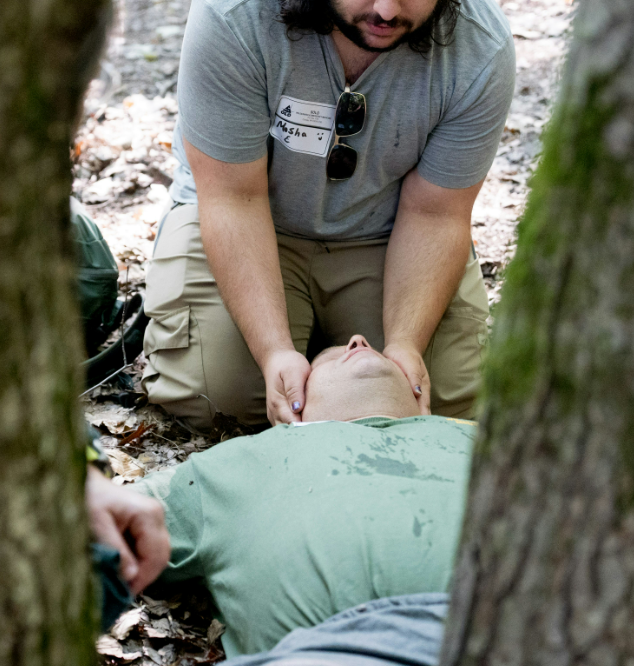
When a player goes down and does not move, every instinct in your body screams to run over, grab them, and help them sit up. That instinct could paralyse them for life. Irish First Aid drills coaches on the hard rule: if there is any chance of a spinal injury, you do not move the casualty unless they are in immediate danger, such as a burning vehicle or rising floodwater. On a sports field, immediate danger is rare. You learn how to manually stabilise the head and neck in the position found, how to instruct the athlete to remain still, and how to wait for emergency services to arrive with a spinal board and collar. The training also covers the rare circumstances when you must move a player with a potential spinal injury, such as an athlete who is vomiting and cannot clear their airway while lying face up. These are agonising decisions, but with proper training, you make them based on protocol rather than panic.
Heat Illness and Hydration Emergencies
Summer tournaments and preseason training sessions in warm weather create the perfect conditions for heat illness. Young athletes are particularly vulnerable because their bodies are less efficient at regulating temperature. Irish First Aid teaches coaches to recognise the progression from heat cramps, which present as painful muscle spasms, to heat exhaustion, characterised by heavy sweating, weakness, nausea, and a rapid pulse, to the medical emergency of heatstroke, where the body stops sweating, the skin becomes hot and dry, and the athlete may become confused or unconscious. You learn the immediate treatment for each stage. For heat exhaustion, you move the athlete to shade, remove excess clothing, and provide cool water. For heatstroke, you call an ambulance immediately and begin aggressive cooling with ice packs placed on the neck, armpits, and groin. Coaches also learn prevention strategies, including scheduled water breaks, modified training sessions on very hot days, and the dangerous myth that salt tablets are helpful.
Anaphylaxis and Allergy Emergencies in Team Settings
Sports teams are social environments, and social environments involve shared food, post-match snacks, and celebration cakes. For an athlete with a severe food allergy, that team culture can become a hazard. Irish First Aid ensures every coach in their sports course can recognise the early signs of anaphylaxis, which include hives, swelling of the lips or tongue, difficulty swallowing, and a sudden change in behaviour or mood. You practice using an adrenaline auto-injector on a training device, learning the correct technique of pressing firmly into the outer thigh and holding for three seconds. Coaches also learn the importance of asking about allergies at the start of every season, keeping auto-injectors accessible during training and matches, and having an emergency action plan for each athlete with known allergies. This is not overkill. Anaphylaxis can kill within minutes, and the nearest auto-injector might be sitting in a kit bag fifty metres away if you have not planned properly.
Fracture and Soft Tissue Injury First Aid
Sprains, strains, and suspected fractures are the bread and butter of sports first aid. A rolled ankle, a pulled hamstring, a wrist bent at an awkward angle after a fall. Irish First Aid teaches coaches the RICE protocol, which stands for Rest, Ice, Compression, and Elevation. But they go beyond the acronym. You learn how long to apply ice, typically twenty minutes on then twenty minutes off, and why you should never apply ice directly to bare skin. You practice applying a compression bandage that is snug but not tight enough to cut off circulation. You learn how to assess a suspected fracture without moving the injured limb unnecessarily, and how to create a simple sling from a triangular bandage or even a t-shirt if no proper equipment is available. Coaches also learn the critical signs that indicate a fracture needs hospital attention, such as obvious deformity, inability to bear weight, or numbness in the fingers or toes beyond the injury site.
Creating a Pitch-Side Emergency Action Plan
All the training in the world is useless if nobody knows who is doing what when an emergency happens. Irish First Aid requires every coach who completes their sports course to develop a written emergency action plan for their team. This one-page document answers simple but vital questions. Where is the nearest first aid kit and AED? Who is responsible for calling 999, and what is the exact address of the pitch or venue? Who meets the ambulance and directs them to the casualty? Who controls the other players and the crowd? Who calls the parents of an injured underage athlete? The plan is reviewed with the entire coaching staff and practiced at least once per season. Irish First Aid provides a template, but the real value is in the conversation. Coaches who go through this process discover gaps they never considered, like the fact that their pitch does not have a clear ambulance entrance or that nobody knows the access code to the AED cabinet. Fix those gaps before a player’s life depends on them.