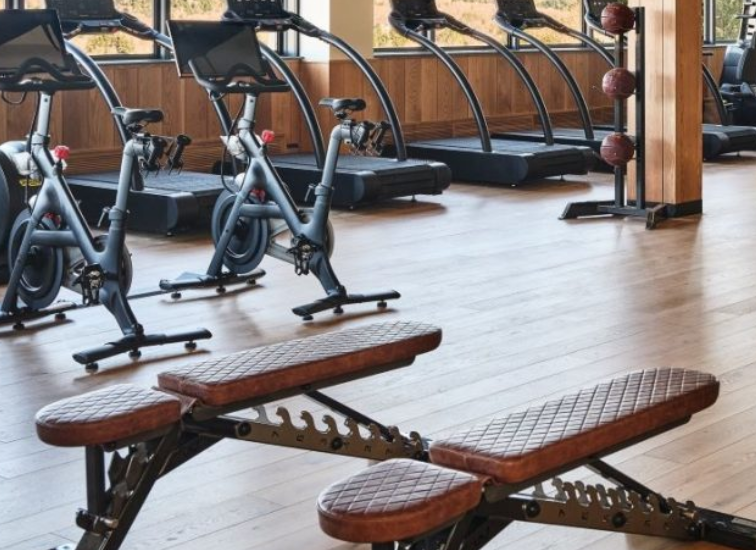
A successful gym design project looks effortless from the outside. The space flows, the equipment feels right, and members keep coming back. But beneath that polished surface lies a structured process, careful decision-making, and a clear understanding of what success actually means. SPX Gym Design has broken down the anatomy of our most successful projects to understand what separates a gym that merely opens from a gym that thrives for years. The difference comes down to seven critical components working together.
Clear Vision and Defined Goals Before Any Drawing
The most successful projects start with a conversation that has nothing to do with floor plans. Before a single line is drawn, the gym owner and design team agree on what success looks like. Is the priority maximizing membership capacity? Creating a premium experience that justifies high prices? Serving a specific niche like powerlifting or senior fitness? These goals lead to completely different design solutions. A project without clear goals drifts. The design team makes assumptions, the owner makes requests based on emotion rather than strategy, and the result satisfies no one. Successful projects lock in the vision first. The drawings follow.
Accurate Site Assessment and Measurement
You cannot design a space you do not fully understand. Successful projects begin with a thorough site assessment that goes far beyond basic dimensions. The design team measures ceiling heights at multiple points, noting any variations or slopes. They locate every electrical panel, data port, plumbing rough-in, and HVAC duct. They identify load-bearing walls, column placements, and any structural obstructions. They test floor flatness and note drainage patterns. This assessment takes time and costs money upfront, but it prevents the expensive surprises that derail lesser projects. A site measured poorly is a site that will reveal its secrets during construction, always at the worst possible moment.
Realistic Budget and Contingency Planning
Every design decision costs money, and successful projects are built on realistic budgets that include contingency. The design team needs to know not just your total available funds, but how those funds break down across construction, equipment, finishes, soft goods, technology, and professional fees. With that information, they can make trade-offs intentionally rather than discovering halfway through that you cannot afford the flooring you already selected. Successful projects also include a contingency fund of ten to twenty percent for the inevitable surprises. A project without contingency is not a plan. It is a gamble.
Integrated Equipment and Layout Planning
Equipment selection and floor planning cannot happen in isolation. Successful projects integrate these two activities from the beginning. The design team creates an equipment list and a layout simultaneously, adjusting one based on the constraints of the other. A piece of equipment that is too large for the intended zone gets swapped for a smaller model. A layout that cannot fit all desired equipment gets revised or the equipment list gets trimmed. This back-and-forth continues until the plan and the equipment list are fully aligned. Projects that choose equipment first and then try to fit it into a space inevitably end up with awkward layouts or equipment that does not get used.
Stakeholder Communication and Approval Gates
A design project involves many people with different priorities. The owner, the staff, the contractors, the equipment vendors, and sometimes investors or property managers. Successful projects establish clear communication protocols and approval gates from day one. Major decisions require sign-off from specific people at specific times. Changes go through a documented process. Everyone knows who makes the final call on each type of decision. Without this structure, projects suffer from endless revisions, conflicting instructions, and the dreaded design by committee. Communication failures sink more gym projects than budget overruns ever will.

Construction Oversight and Quality Control
The best design in the world means nothing if the construction team builds it wrong. Successful projects include active construction oversight from the design team. Someone visits the site regularly to verify that contractors are following the drawings. They catch mistakes early, when fixes are cheap, rather than at the end, when fixes require demolition. They answer contractor questions quickly to prevent work stoppages. They inspect finishes and equipment installation against the specifications. This oversight costs extra but pays for itself many times over by preventing the small errors that become big problems. A design team that hands over drawings and disappears is not a partner. It is a vendor.
Post-Occupancy Evaluation and Refinement
The final component of a successful project happens after the gym opens. Members will use the space in ways you did not predict. Traffic patterns will reveal bottlenecks you did not anticipate. Equipment that seemed perfectly placed will turn out to be awkward. Successful projects include a post-occupancy evaluation period, typically ninety days, during which the design team returns, observes how members actually use the space, and makes small refinements. A bench moves six inches. A sign gets added. A mirror gets repositioned. These tweaks transform a good design into a great one. A project that ends on opening day misses the opportunity to learn from reality. A project that includes post-occupancy refinement keeps getting better after the ribbon is cut.