Length Measurement Across Systems
Length measurement is fundamental to construction, navigation, sport, science, and everyday practical tasks — with the metric system using meters as its base unit and the imperial system using feet and inches. The parallel existence of these systems creates persistent conversion needs that arise wherever measurements from one system encounter specifications or equipment calibrated in the other. A reliable length converter handles conversions across the complete range of length units — from nanometers to kilometers, from inches to miles — instantly and accurately.
The Key Length Unit Conversions
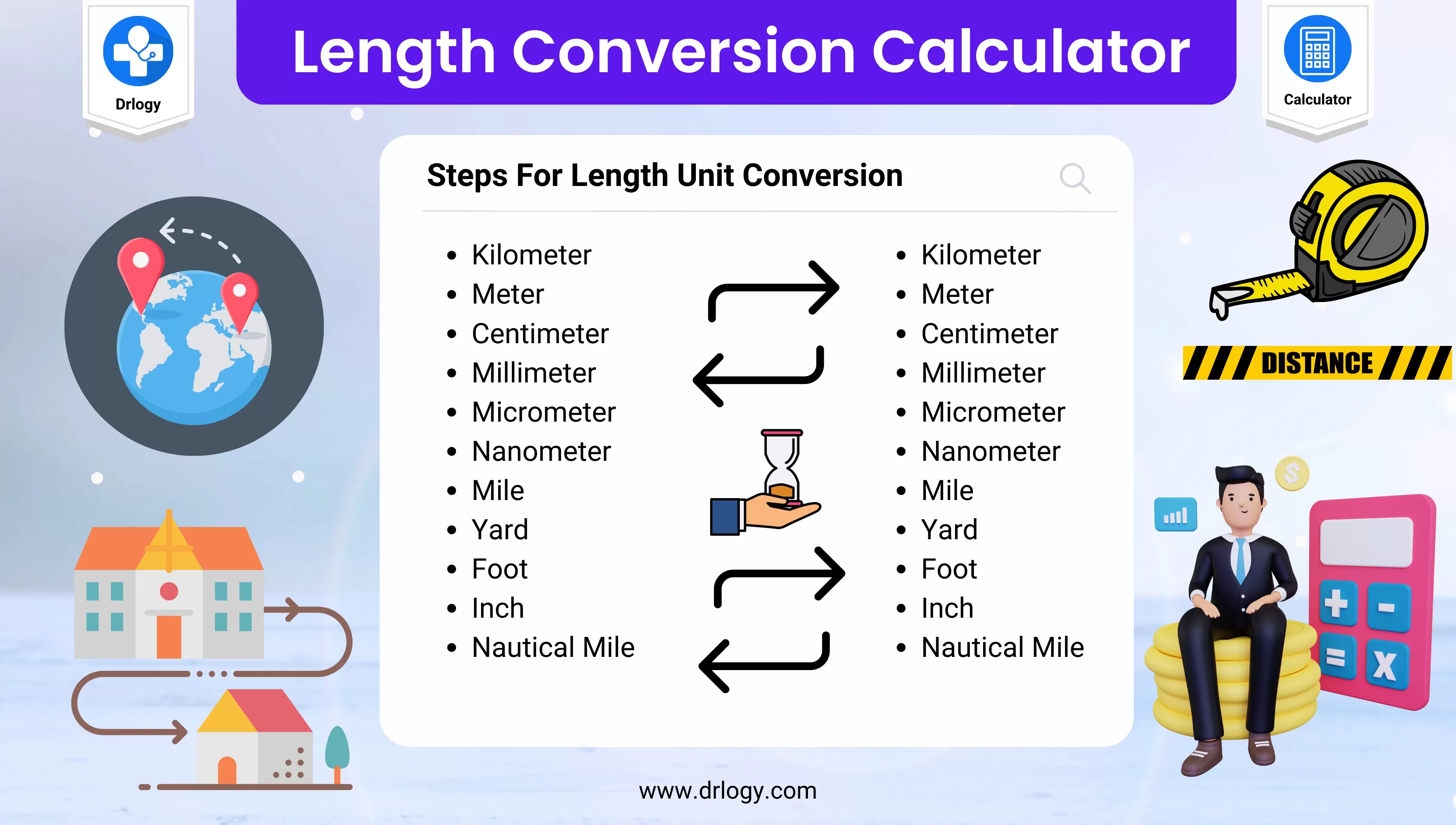
The most frequently needed length unit conversions are based on a few fundamental relationships. One inch equals exactly 2.54 centimeters — a defined exact conversion that all other metric-imperial length conversions derive from. One foot equals 12 inches or exactly 30.48 centimeters. One yard equals 3 feet or exactly 91.44 centimeters. One mile equals 5280 feet or approximately 1.609 kilometers. And one meter equals approximately 3.281 feet or 39.37 inches. These core relationships allow any length measurement in one system to be accurately converted to the other.
Construction and Architecture Applications
Construction and architecture represent some of the most practically consequential applications of length conversion — where measurements that are off by even small amounts can create fitment problems, structural issues, or material waste. Architects working between metric and imperial drawings need accurate conversion to ensure that elements designed in one system fit correctly in structures measured in the other. Construction materials purchased in metric dimensions need conversion when fitting into imperial-dimensioned spaces, and vice versa.
Clothing and Footwear Sizing
Clothing and footwear sizing uses different measurement systems across different countries — with American clothing sizes using inches for measurements that European sizes express in centimeters. A 32-inch waist corresponds to approximately 81 centimeters, allowing correct size selection from European clothing using inch measurements. Footwear sizes relate to foot length in different ways across American, European, and UK size systems — with foot length measurements in centimeters or inches providing the consistent reference that allows correct size selection across systems.
Screen and Display Sizes
Screen and display sizes are universally expressed in inches for diagonal screen dimension — making this one context where imperial measurement persists globally even in predominantly metric countries. A 27-inch monitor's diagonal measurement corresponds to approximately 68.6 centimeters. Television screens measured in inches relate to their physical dimensions in centimeters that matter for furniture planning and wall mounting — with an 65-inch television having a width of approximately 144 centimeters.
Height and Human Measurement
Human height measurement exemplifies the metric-imperial divide in everyday personal measurement — with Americans typically expressing height in feet and inches while the rest of the world uses centimeters. The classic reference height of 6 feet corresponds to 182.9 centimeters, while an average adult height of 170 centimeters corresponds to approximately 5 feet 7 inches. Medical records, passport documents, and international contexts require accurate height conversion between these systems.
Navigation and Distance Measurement
Navigation uses multiple length units across different contexts — nautical miles for maritime and aviation distances, statute miles for road distances in the United States, and kilometers for road distances in most of the world. One nautical mile equals exactly 1,852 meters or approximately 1.151 statute miles — a conversion that navigators working across maritime and road contexts need to apply accurately.