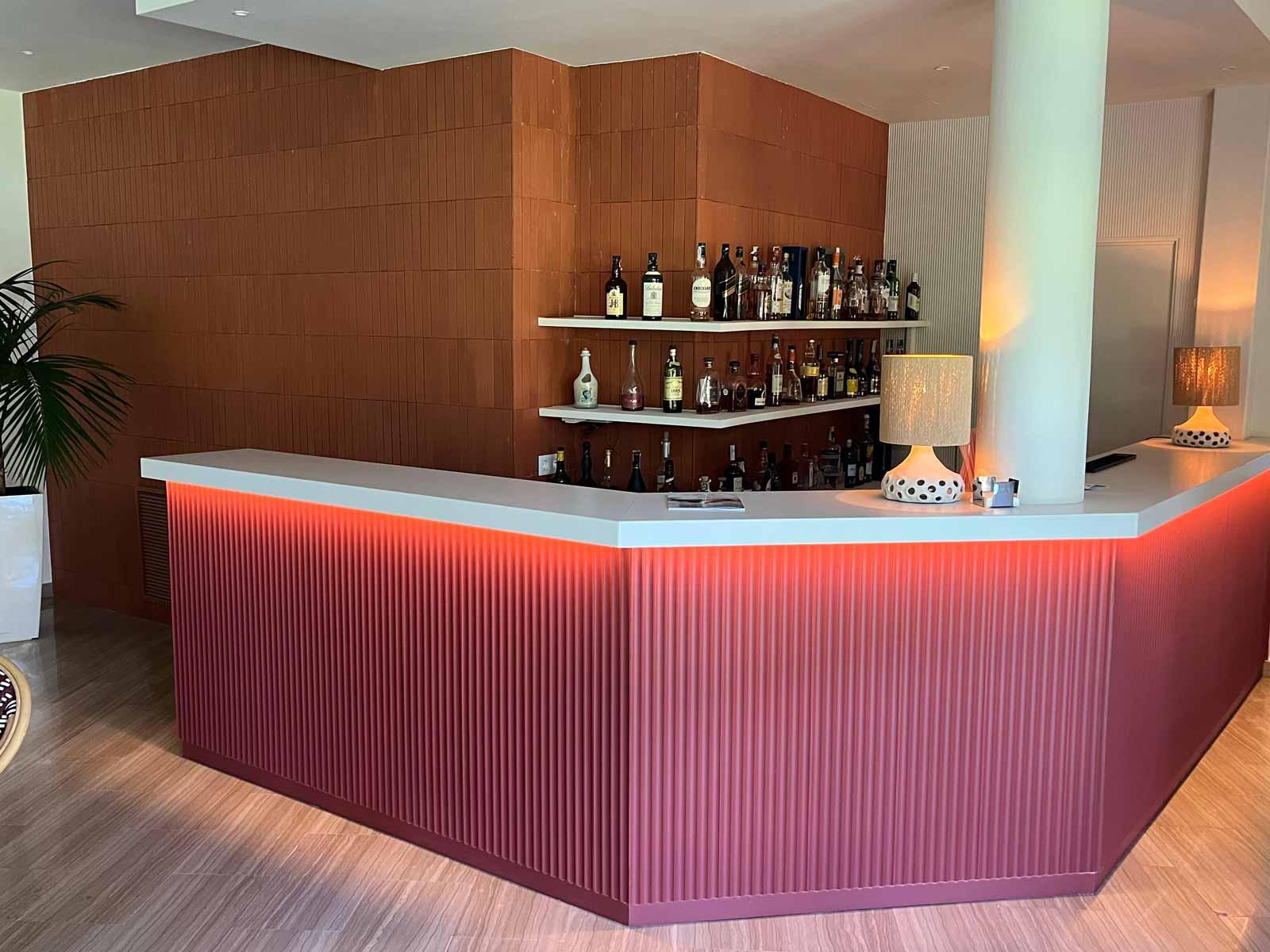
A well-designed room depends on more than furniture, wall colours, and decorative accessories. Lighting can influence the proportions of a space, draw attention to architectural details, and change the atmosphere from bright and energetic to calm and intimate. Indirect Lighting and LED Coving Installation offers a refined way to achieve these effects by combining concealed illumination with decorative architectural detailing.
Instead of exposing the light source, LED coving hides the lighting within a moulded profile. The light is then directed toward the ceiling or wall, producing a gentle glow that spreads throughout the room. This approach can add elegance without making the lighting itself the main visual feature.
The Appeal of Indirect Illumination
Direct lighting sends light from a visible fixture toward a specific area. Although this is useful for practical tasks, it can sometimes produce harsh shadows or noticeable glare.
Indirect lighting takes a different approach. By reflecting light from ceilings and walls, it creates a softer distribution that can make a room feel more comfortable.
The effect can be particularly attractive in spaces where atmosphere is important. Living rooms, bedrooms, dining areas, lounges, reception spaces, and entertainment rooms can all benefit from carefully positioned indirect illumination.
How LED Coving Creates a Concealed Glow
LED coving is designed with a recess or channel that allows an LED strip to remain hidden from normal viewing angles. Once the system is switched on, light emerges from behind the profile and spreads across the nearby surface.
The coving provides two functions at the same time. It acts as an architectural decorative feature while also concealing the lighting equipment.
This combination can create a clean appearance around the perimeter of a room. Instead of several visible fixtures competing for attention, the illumination appears to originate naturally from the upper edge of the walls.
Selecting a Suitable Coving Profile
Coving is available in many shapes and dimensions, so the profile should be chosen according to the room's architecture.
A simple, straight profile may suit a contemporary interior, while a more detailed moulding can complement traditional decorative elements. The height of the ceiling and overall size of the room should also influence the choice.
The position of the LED strip within the profile can affect the resulting light distribution. A well-planned system should produce an even glow without creating visible hotspots or unwanted shadows.
Choosing the Correct LED Lighting
The LED strip is just as important as the coving itself. Different products vary in brightness, colour temperature, efficiency, flexibility, and control options.
Warm white lighting can provide a welcoming and comfortable atmosphere, while neutral or cooler tones may create a cleaner appearance.
Brightness should be selected according to the intended purpose. If the coving is primarily decorative, a softer output may be sufficient. If it is expected to contribute more substantially to the room's general illumination, a stronger system may be appropriate.
High-quality LEDs can also provide more consistent illumination along longer sections, helping maintain a uniform appearance.
Planning Before Installation
Successful Indirect Lighting and LED Coving Installation requires more than simply attaching moulding to a wall. The entire lighting arrangement should be planned before work begins.
Measurements should account for corners, wall lengths, ceiling height, doors, windows, furniture, and existing electrical points. Power supplies and connections should be positioned where they can remain accessible while staying visually concealed.
The direction in which the light will travel should also be considered. Small changes in the position of the LED strip can affect the width and intensity of the reflected glow.
Planning these details beforehand helps prevent unnecessary adjustments during installation.
Preparing the Installation Surface
A clean and stable surface provides a better foundation for decorative coving. Dust, grease, loose paint, or damaged areas may interfere with adhesives or fixing systems.
Walls and ceilings should therefore be inspected before the moulding is installed. Uneven sections may need minor preparation to ensure that the coving sits correctly.
This stage can seem insignificant, but it has a noticeable effect on the final appearance. Gaps or uneven lines can become particularly obvious when light travels across the ceiling.
Paying Attention to Corners and Joints
Straight sections are only one part of a coving installation. Corners require accurate measurements and precise cuts to maintain continuity around the room.
Joints between individual pieces should be carefully aligned and finished. A poorly treated joint may be visible even when the lighting is switched off, and the problem can become more noticeable once the LED system is illuminated.
Clean workmanship ensures that the moulding appears to form one continuous architectural feature rather than a series of separate sections.
Combining Coving With Other Interior Details
LED coving can be incorporated into a broader decorative scheme. Wall mouldings, decorative panels, skirting boards, and ceiling details can all be used alongside concealed lighting.
For example, textured wall panels can become more prominent when soft illumination is directed across their surface. Similarly, decorative mouldings can be framed by indirect light to create additional depth.
The most attractive interiors generally use these features in moderation. Consistent proportions and complementary finishes help prevent the room from becoming visually crowded.
Flexible Lighting for Different Occasions
One of the useful aspects of LED lighting is the ability to adjust brightness when compatible controls are used.
A brighter setting can provide useful background illumination, while a lower setting can create a relaxed evening atmosphere. Dimming can also reduce the need to rely on stronger overhead fixtures when softer lighting is preferred.
Smart lighting controls may provide additional convenience by allowing the system to be controlled through compatible switches, remotes, or home automation systems.
Why Installation Quality Matters
A high-quality lighting system can lose its impact if the coving is poorly installed. Straight lines, consistent spacing, accurate corners, and concealed connections all contribute to the finished appearance.
Professional installation can also help identify practical issues before they become expensive problems. An experienced installer can assess the surfaces, recommend an appropriate profile, position the LED strip correctly, and ensure that the finished system is both secure and visually balanced.
A Refined Finishing Touch
Indirect Lighting and LED Coving Installation provides an effective way to combine architectural decoration with atmospheric illumination. The concealed nature of the system allows the light to become part of the room rather than an obvious separate fixture.
From a subtle perimeter glow to a more prominent architectural lighting feature, the final effect depends on the profile, LED technology, room proportions, and installation technique.