Downtime is the quiet thief of profitability in any slurry-handling operation, and the culprit is almost always wear. Every hour a pump sits idle waiting for a liner swap or an impeller replacement is an hour of lost throughput, and those hours compound quickly in continuous processes. CNSME Pump approaches the problem from the design stage rather than the repair stage, building horizontal slurry pumps whose wear characteristics are understood, predictable, and manageable. The result is equipment that spends far more time moving material and far less time in the workshop.
Why Wear Drives the Downtime Conversation
In slurry service, every internal surface is under constant attack from particles moving at speed, and the rate of that attack determines how often the pump must be opened up. Wear does not simply thin metal; it changes clearances, disturbs hydraulic balance, and eventually causes failures that take the whole circuit offline. The real cost of wear is not the price of a liner but the production lost while the repair happens, plus the labor and scheduling disruption that surround it. Understanding this relationship is the foundation of any serious downtime reduction strategy, and it explains why CNSME treats wear resistance as a design priority rather than a materials afterthought.
Geometry That Keeps Particles Moving Gently
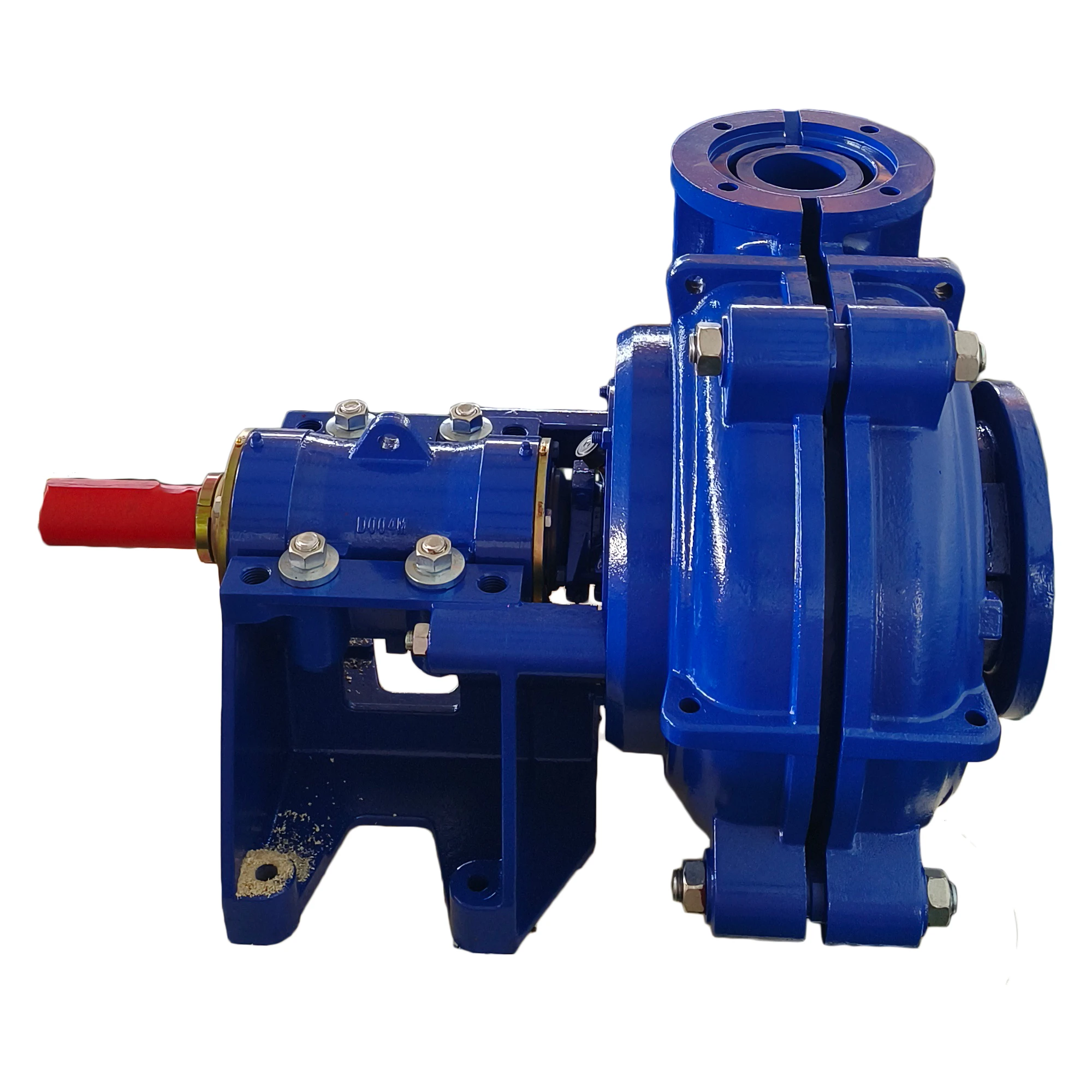
The path a particle takes through a pump determines how much damage it does along the way, and CNSME's hydraulic designers pay close attention to that path. Smooth, gradual transitions in the casing and volute reduce turbulence and avoid the sharp direction changes where erosion concentrates. Impeller channels are shaped to carry solids without excessive recirculation or localized high-velocity zones, which are the places where wear accelerates far beyond the average. By controlling how the slurry flows rather than simply how much it flows, the design spreads wear more evenly across the components and extends the interval before any single area becomes critical.
Material Strategies That Match the Threat
No single material defeats every wear mechanism, so CNSME offers both high-chrome alloy and elastomer-lined configurations and helps customers choose between them. Hard metal linings excel against coarse, angular particles that would cut through softer surfaces, while elastomer linings absorb the impact of finer solids and resist corrosive chemistry that would attack metal. The key is matching the material to the actual particle profile and liquid composition rather than defaulting to a single option for every duty. This targeted approach means the pump's wear parts last as long as the application allows, rather than failing early because the material was chosen without regard to the specific threat.
Replaceable Liners That Shorten Every Repair
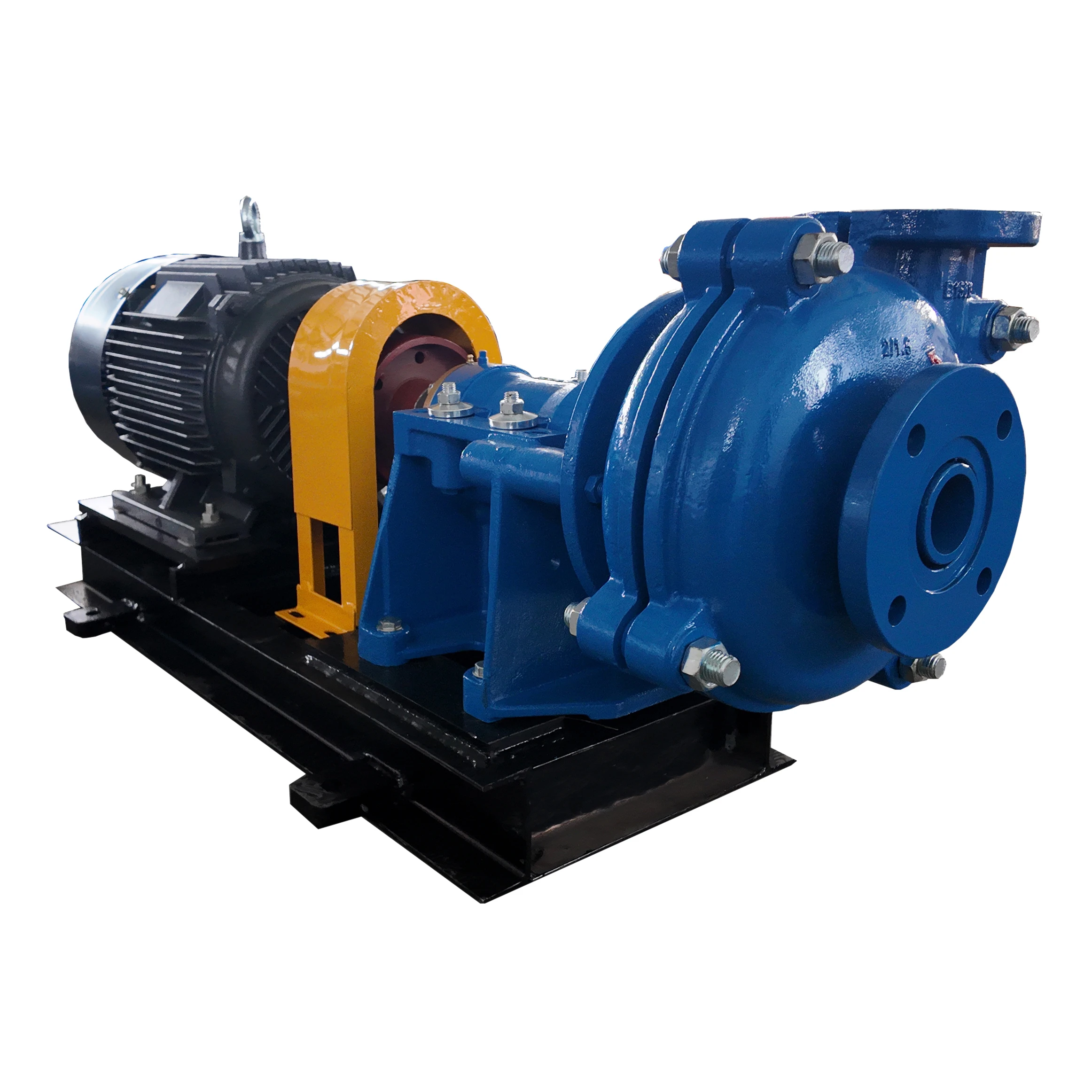
Even the best-matched materials eventually wear out, and when they do, the design determines how long the repair takes. CNSME builds its horizontal slurry pumps around replaceable liners that protect the structural casing, so worn surfaces can be renewed without replacing the entire housing. Split casings and accessible fastening arrangements let maintenance crews reach the wear parts quickly, often without disturbing the piping or the drive. Because the repair is shorter and more predictable, the downtime window shrinks, and the pump returns to service sooner. This modular philosophy turns a major overhaul into a routine scheduled task.
Seals and Bearings Protected From the Slurry
Wear does not only affect the parts that touch the slurry directly; it also threatens the precision components that keep the pump turning. Abrasive particles that reach the seal area can destroy seal faces rapidly, and contamination in the bearings leads to vibration and premature failure. CNSME addresses this with seal arrangements, including expeller designs, that create a barrier against particle ingress, and with bearing housings that are properly isolated and lubricated for slurry duty. Protecting these components extends the intervals between failures and eliminates the cascading damage that follows when a seal lets go.
Predictive Maintenance Made Practical
Reducing downtime also means knowing when wear is approaching its limit before a failure forces the issue. CNSME designs its pumps so that liner thickness can be measured, clearances checked, and vibration monitored during routine inspections, giving maintenance teams the data to plan replacements rather than react to breakdowns. Because the wear parts are accessible and their expected life is understood, plants can schedule rebuilds during planned shutdowns instead of enduring emergency stoppages. This predictability is often worth as much as the wear resistance itself, since it converts maintenance from a source of uncertainty into a manageable cost.
A Design Philosophy Built Around Uptime
Every element discussed here, from hydraulic geometry and material matching to replaceable liners and protected bearings, serves a single purpose: keeping the pump in service. CNSME's wear-resistant horizontal slurry pump design reflects a belief that downtime is best attacked at the drawing board rather than in the maintenance bay. For operations where every lost hour carries a real cost, that philosophy translates into steadier production, lower maintenance spending, and equipment that earns its place in the circuit year after year.