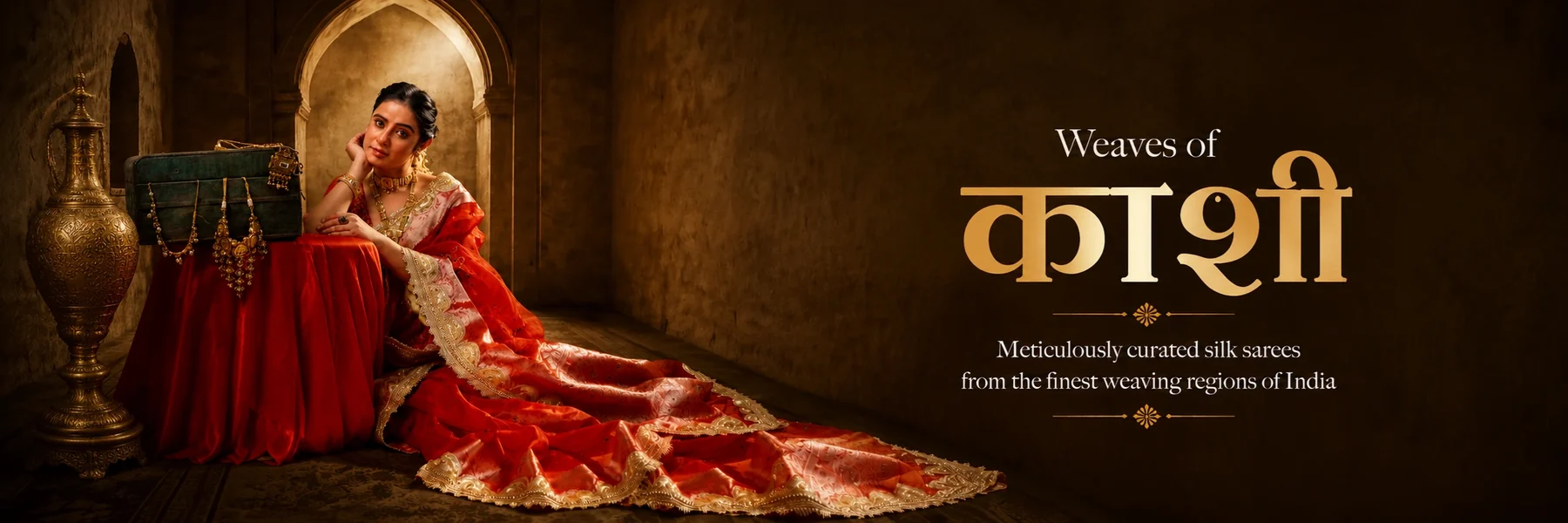
Banarasi Sarees: Choosing Timeless Indian Elegance for Every Occasion
Indian traditional clothing reflects the country's rich cultural heritage, and the Banarasi saree holds a special place in this tradition. Known for its intricate patterns, luxurious appearance, and detailed weaving, this saree has remained a popular choice for weddings, festivals, family celebrations, and formal occasions. Its appeal lies in the combination of skilled craftsmanship and designs that continue to complement changing fashion preferences.
Today, shopping for a Banarasi saree online allows buyers to compare colours, patterns, fabrics, and price ranges from home. However, choosing the right saree requires more than selecting an attractive design. Understanding the fabric, weaving techniques, and intended use can help make the purchase more satisfying.
The Heritage Behind Banarasi Sarees
Banarasi sarees originate from Varanasi, a historic city in Uttar Pradesh known for its traditional weaving culture. Generations of artisans have developed distinctive techniques to create elaborate textiles featuring floral motifs, intricate borders, and decorative patterns.
Traditional designs often draw inspiration from nature, architecture, and Indian artistic traditions. Popular motifs include flowers, leaves, vines, paisleys, and detailed ornamental arrangements. Depending on the weaving technique, some sarees feature dense patterns across the fabric, while others use decorative elements more selectively.
The craftsmanship involved gives each design its own character. Banarasi sarees are particularly valued for their association with Indian weddings and celebrations, although lighter and more understated styles can also be suitable for everyday cultural events.
How to Choose a Banarasi Saree Online
Shopping online offers convenience, but buyers should evaluate several details before making a decision.
- Understand the Fabric
Banarasi sarees are available in different fabrics, including silk, organza, georgette, and other textile blends. Each offers a different appearance and wearing experience.
- Silk sarees: Often chosen for weddings, traditional ceremonies, and grand celebrations.
- Organza sarees: Offer a lightweight, structured appearance that works well for elegant occasions.
- Georgette sarees: Provide a softer drape and may be easier to manage during extended events.
- Blended fabrics: Can offer different combinations of texture, appearance, and affordability.
Always check the product description for the exact fabric composition rather than relying only on photographs.
- Examine the Zari Work
Zari refers to decorative metallic threadwork used in traditional Indian textiles. It may appear along the border, across the pallu, or throughout the saree.
Some designs feature elaborate gold-toned patterns, while others use silver-toned details or subtle decorative accents. Read the product specifications carefully to understand the type of zari or metallic thread used.
A detailed product description helps distinguish the visual effect of a design from the materials used to create it.
- Select Colours and Patterns Carefully
Colour plays an important role in choosing a saree. Deep red, maroon, emerald green, royal blue, and purple are popular choices for traditional celebrations. Pastel shades, muted gold, and softer neutrals can suit contemporary preferences.
Consider the occasion, blouse design, jewellery, and personal comfort when selecting a colour. Traditional floral motifs and elaborate borders create a classic appearance, while minimal patterns may appeal to those who prefer a more understated style.
- Check Product Details Before Ordering
Before purchasing a saree online, review the following information:
- Fabric composition and weaving details.
- Saree length and blouse-piece inclusion.
- Colour descriptions and available product photographs.
- Care instructions and expected maintenance.
- Return, exchange, and shipping policies.
- Product price and any additional charges.
These details help set realistic expectations and reduce the likelihood of receiving a product that does not suit your needs.
Styling a Banarasi Saree for Different Occasions
One reason Banarasi sarees remain popular is their versatility across traditional events.
Weddings and Family Celebrations
A richly patterned silk saree with a detailed border can create a traditional wedding look. Pair it with a complementary blouse, classic jewellery, and comfortable footwear. For bridal occasions, pay attention to the saree's weight and drape, especially if it will be worn for several hours.
Festivals and Religious Ceremonies
Bright colours and traditional motifs work beautifully for festive gatherings. Gold-toned accessories can complement zari details, while a neatly draped pallu helps maintain an elegant appearance.
Formal Events and Special Dinners
For less traditional settings, consider lighter fabrics, restrained patterns, or contemporary blouse styles. Keeping accessories balanced allows the saree's craftsmanship to remain the main focus.
Why Handwoven Banarasi Sarees Are Special
Handwoven textiles reflect the time, skill, and attention required to create intricate patterns. In a handwoven Banarasi saree, the arrangement of motifs and decorative details can reveal the artisan's technique and the complexity of the design.
Handloom weaving should not be confused with every saree that simply features a Banarasi-inspired pattern. Buyers who specifically want a handwoven piece should look for clear information about its production method, materials, and origin.
Choosing thoughtfully can also help buyers appreciate the craftsmanship behind traditional Indian textiles rather than viewing a saree only as a fashion purchase.
Caring for Your Banarasi Saree
Proper care helps preserve the fabric, colour, and decorative work over time.
- Follow the care instructions supplied with the saree.
- Use professional dry cleaning when recommended, particularly for delicate silk and zari work.
- Store the saree in a clean, dry place away from direct sunlight.
- Avoid hanging heavy sarees for long periods if the fabric may stretch.
- Refold the saree occasionally to reduce prolonged creasing along the same lines.
- Keep it away from moisture, perfumes, and products that could damage the fabric.
For valuable heirloom sarees, careful storage is especially important because delicate threads and embellishments may become fragile with age.
Frequently Asked Questions
- What makes a Banarasi saree different from other sarees?
Banarasi sarees are associated with Varanasi's weaving traditions and are known for their intricate patterns, decorative borders, and distinctive zari work. Their appearance varies according to the fabric and weaving technique.
- Can I buy a Banarasi silk saree online for a wedding?
Yes. Online collections can help you compare bridal and wedding-guest styles, colours, and patterns. Check fabric details, measurements, blouse-piece information, and delivery timelines before ordering.
- Are all Banarasi sarees made from pure silk?
No. Banarasi-style sarees are available in different fabrics and blends. Read the product description carefully and look for explicit information about silk content and weaving methods.
- How can I identify a handwoven Banarasi saree?
Review the seller's description for details about handloom production, materials, and craftsmanship. Ask for clarification if the manufacturing method is unclear. Photographs alone may not reliably establish whether a saree is handwoven.
- How should I choose the right Banarasi saree for my budget?
Compare fabric quality, weaving details, zari work, design complexity, and finishing rather than considering price alone. A simpler design in a suitable fabric may be a better choice than an elaborate saree that does not meet your needs.
When comparing traditional designs and handwoven collections, you can review the available options at https://banarasihub.com/ to find a saree that suits your preferred style, occasion, and budget.
A Banarasi saree brings together cultural heritage, artistic craftsmanship, and personal expression. By choosing carefully and maintaining it properly, you can enjoy its beauty for years and preserve a meaningful piece of traditional Indian fashion.